Scope & jurisdiction
Confirm the asset, work location, applicable regulator, client requirements, interfaces, deliverables and the decision the work must support.
Health · safety · environment · quality
Ven-Tech’s HSE management system connects people, equipment, planning, field verification and environmental care across commercial diving, Canadian UAS, robotics, confined-space, pipe, reservoir and survey operations.
One integrated HSE system
Complex work is safer when expectations are clear before mobilization—and verified again where the work happens.
Ven-Tech plans HSE around the real asset, jurisdiction, people, equipment, environment and client requirements. Leadership establishes expectations and resources; supervisors translate the plan into field controls; every worker is responsible for readiness, communication and stop-work action.
Controls are scaled to risk and documented through the project lifecycle. Remote inspection technologies are considered where they can reduce exposure, but technology never replaces competent supervision, legal requirements or professional judgement.
Plan · verify · improve
A repeatable HSE lifecycle keeps operational decisions, legal duties, client controls and field conditions connected.
Confirm the asset, work location, applicable regulator, client requirements, interfaces, deliverables and the decision the work must support.
Complete a field-informed hazard assessment and choose controls using the hierarchy of controls, with remote methods considered where they reduce exposure.
Verify role competence, fitness, certifications, equipment inspection status, calibrations, consumables, PPE and critical spares before mobilization.
Develop the method, JSA or FLHA, permits, communications, environmental controls, emergency response and rescue arrangements for the actual site.
Hold pre-job meetings, confirm conditions, maintain supervision and exclusion zones, use stop-work authority, and manage change when the plan no longer matches reality.
Capture inspections, field observations, incidents, near misses, corrective actions and lessons learned; close actions and feed improvements into future work.
Operational HSE controls
Each discipline has distinct hazards. Ven-Tech combines common management controls with procedures, competence and emergency arrangements specific to the operation.
 01↗
01↗Project-specific dive plans, competent supervision, diver/tender/standby assignments, breathing-gas and communications checks, decompression controls, contaminated-water measures and rescue readiness.
View related capability →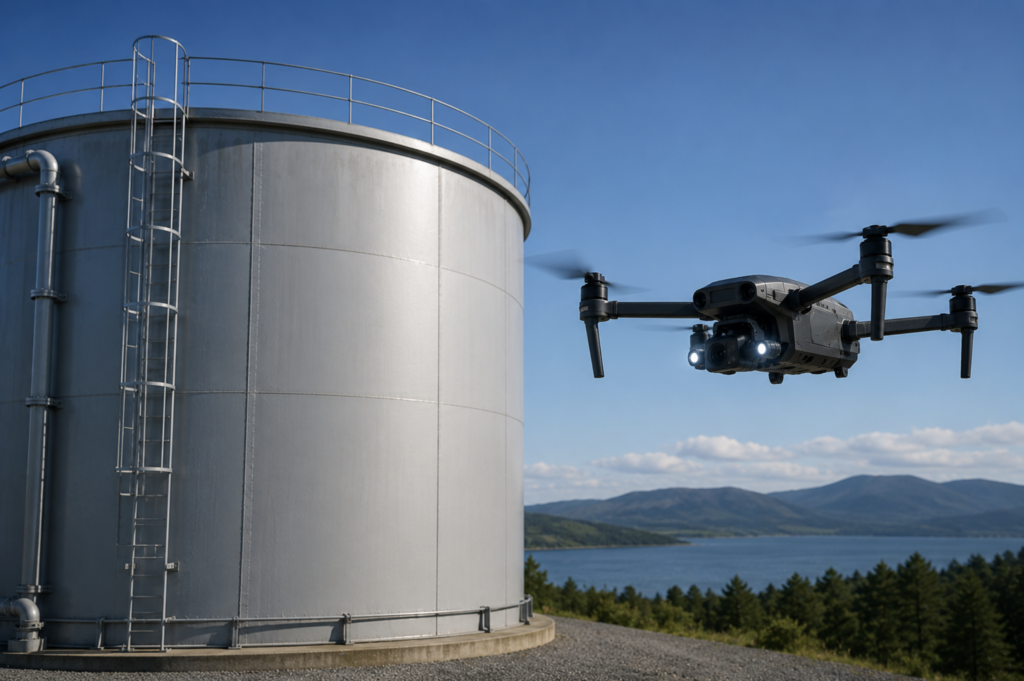 02↗
02↗Operation-category review, pilot credentials, aircraft registration and eligibility, airspace and site permissions, weather and link limits, bystander controls, emergency procedures and secure data handling.
View related capability → 03↗
03↗Launch-and-recovery zones, entanglement and stored-energy controls, tether management, vessel interfaces, electrical inspection, exclusion zones, communications and recovery contingencies.
View related capability →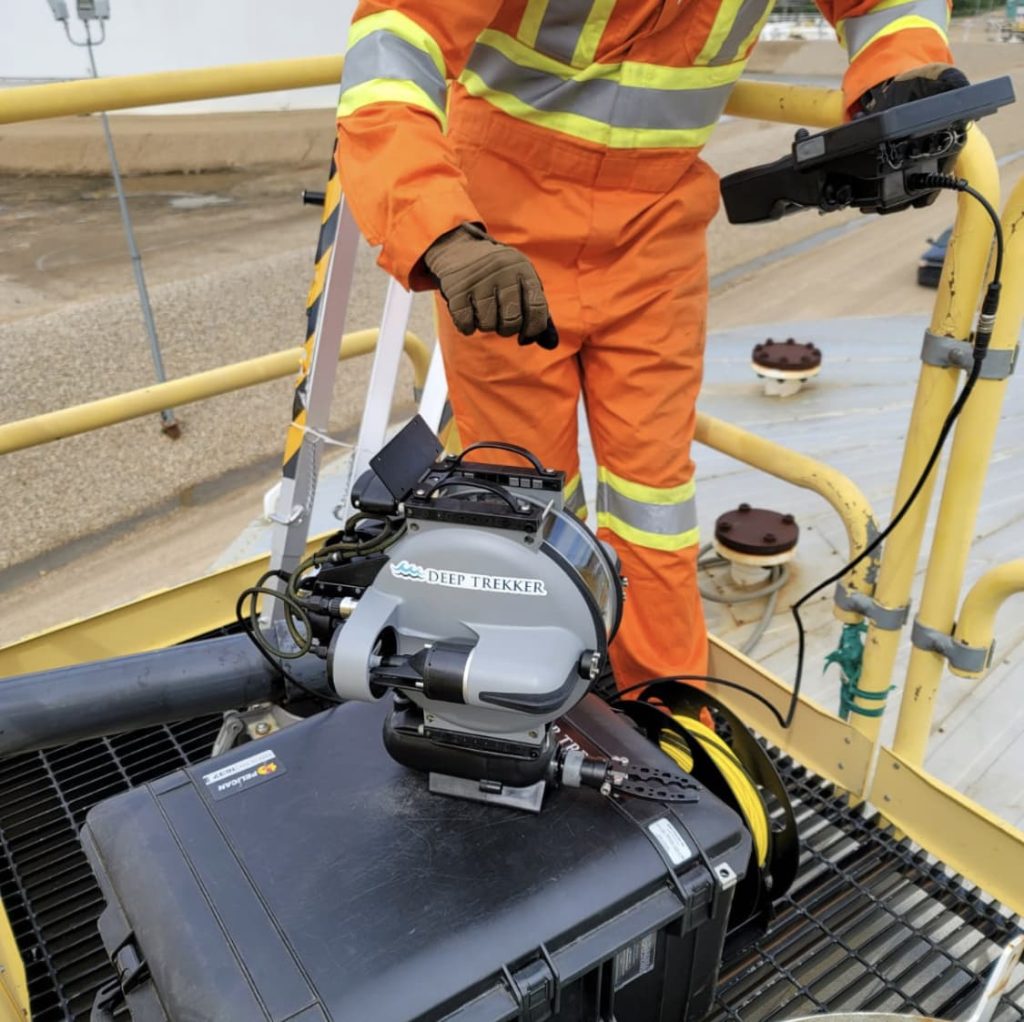 04↗
04↗Space classification, isolation and lockout, atmospheric assessment, access control, attendant and communication requirements, entry permits when entry is required, and a practicable rescue plan.
View related capability →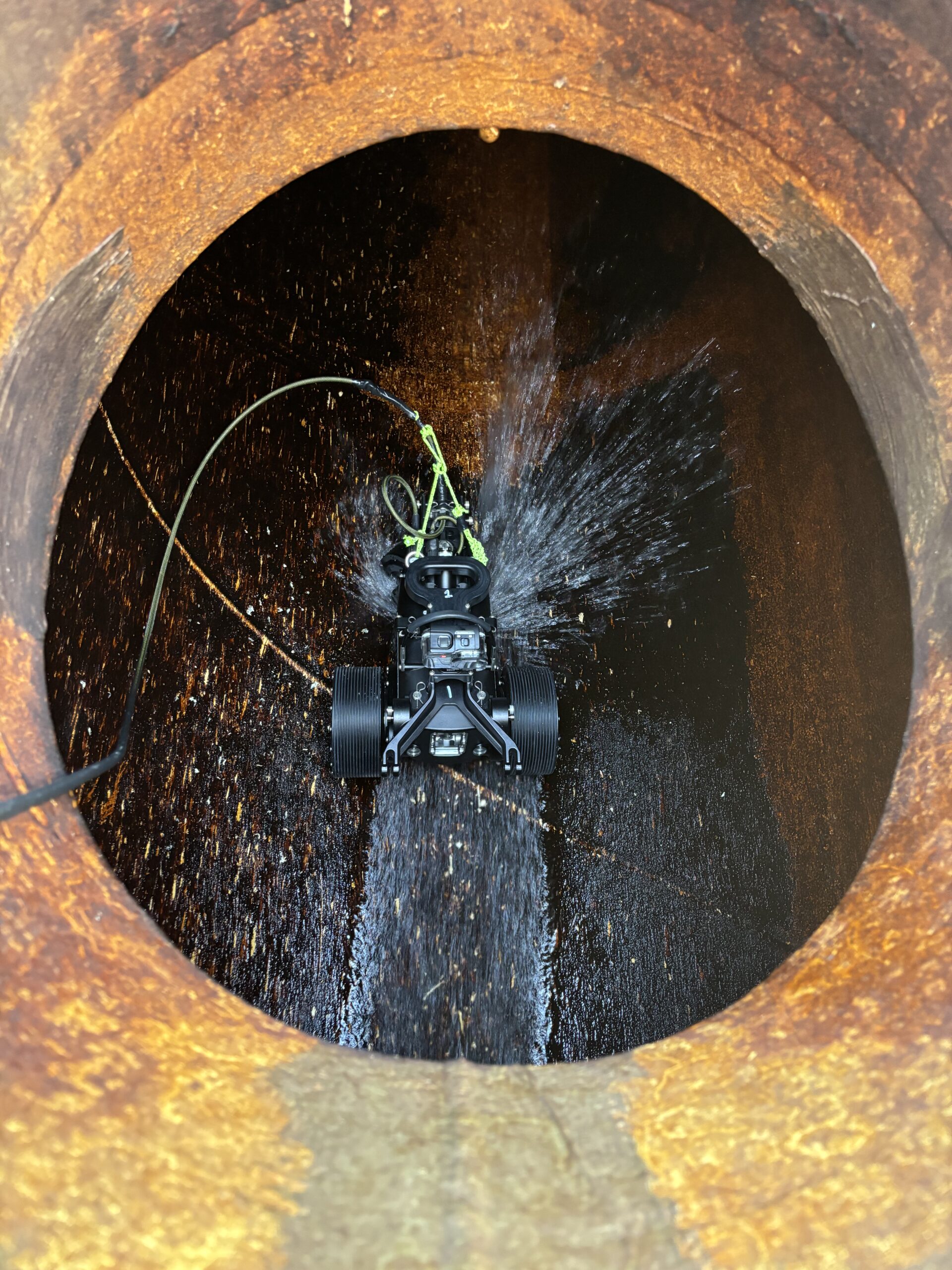 05↗
05↗Pressure and energy isolation, zero-energy verification, product and contamination review, crawler retrieval planning, access control, traffic or public interfaces, and documented return-to-service boundaries.
View related capability →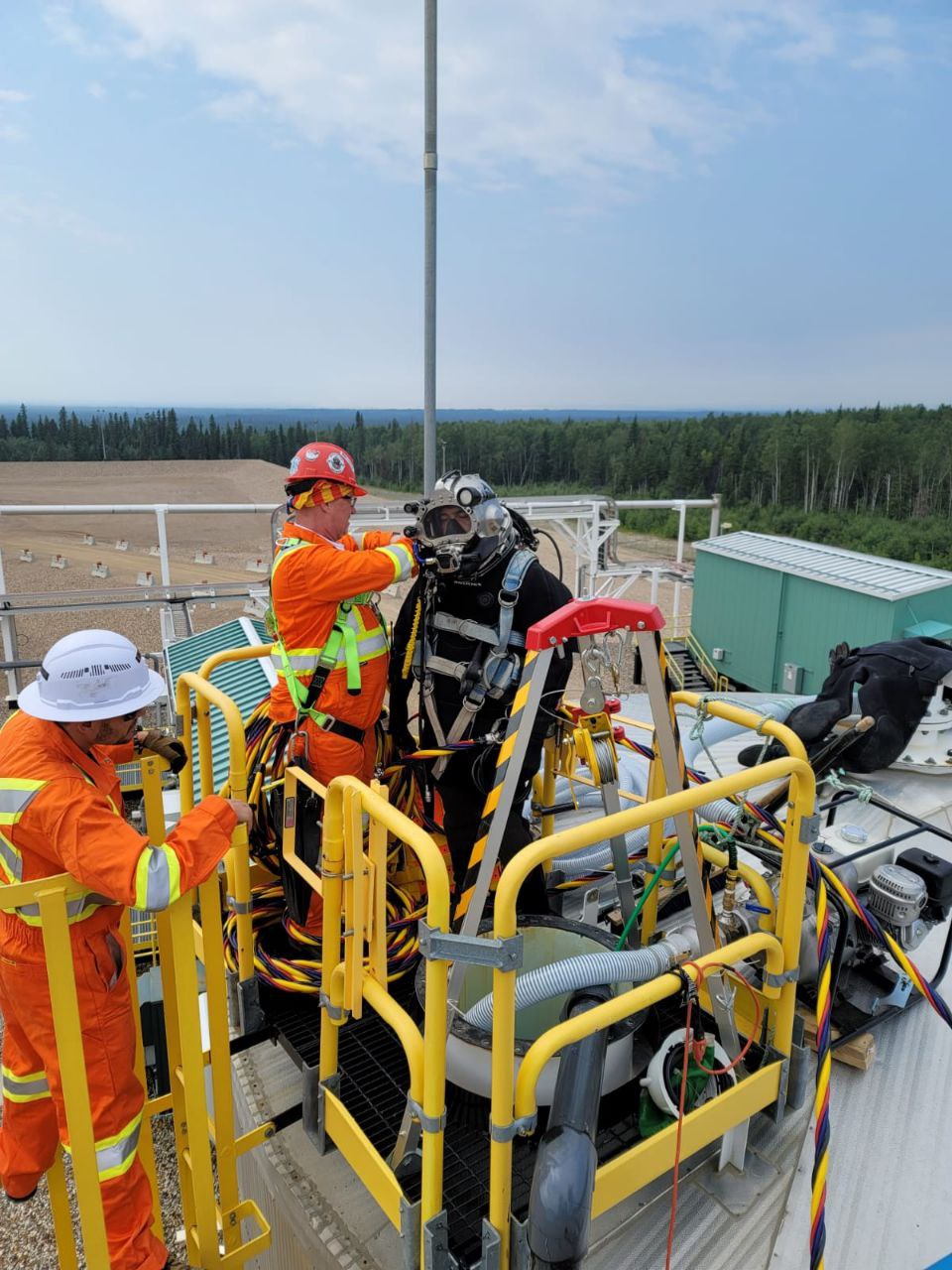 06↗
06↗Potable-water hygiene, cross-contamination prevention, disinfection-aware workflows, water-quality protection, fall and confined-space controls, fire-water coordination and controlled equipment entry.
View related capability →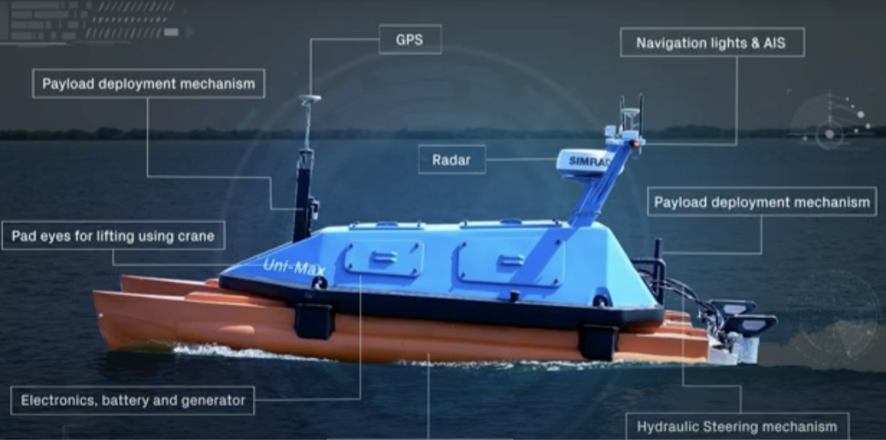 07↗
07↗Vessel suitability, marine communications, navigation and weather limits, person-overboard preparedness, safe deployment of sonar and survey equipment, shoreline access and environmental constraints.
View related capability →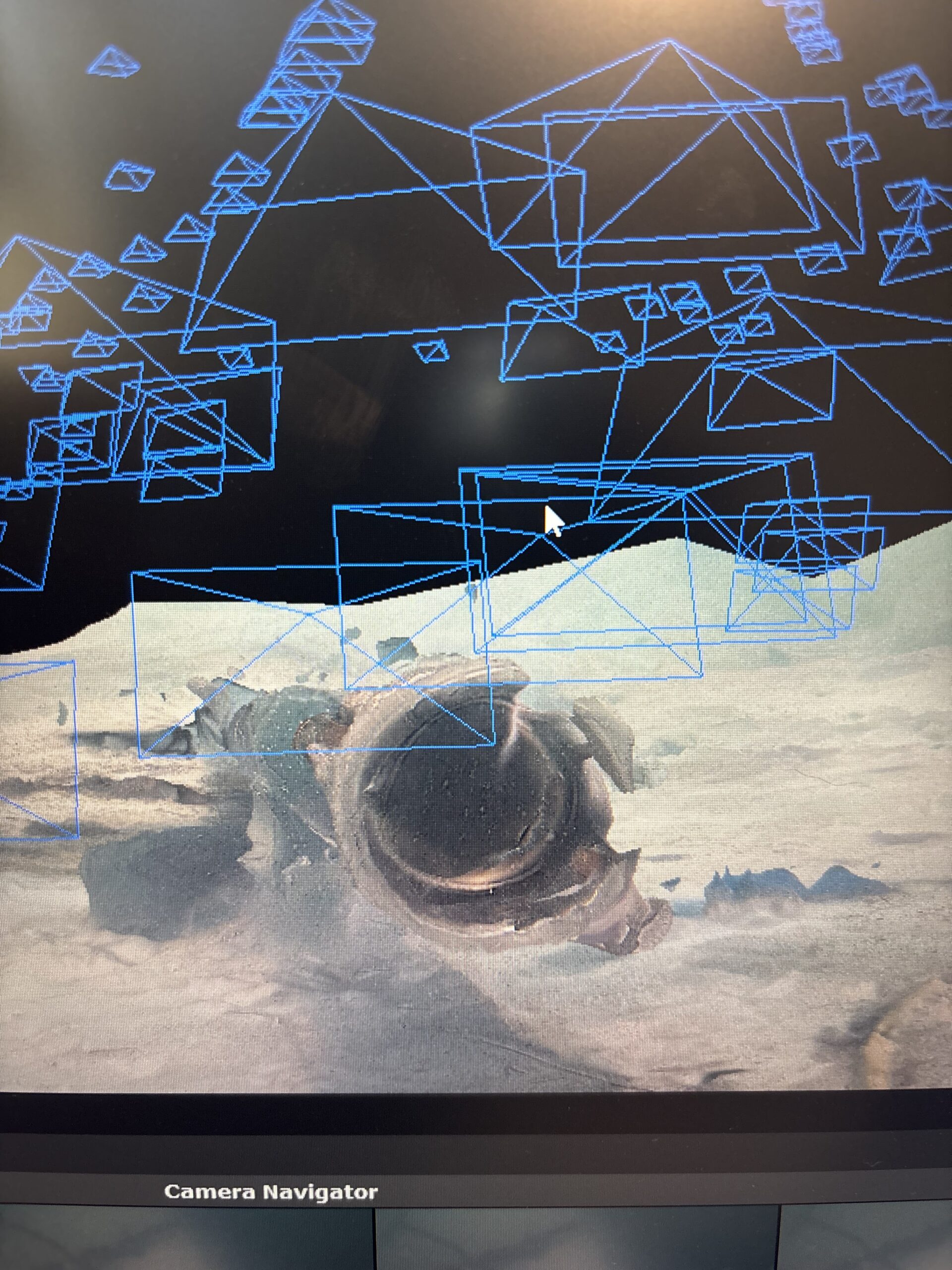 08↗
08↗Qualified personnel, task-specific procedures, equipment calibration, safe access, fall protection, radiation or chemical controls where applicable, traceable records and independent quality review.
View related capability →Hierarchy of controls
ROVs, UAS, USVs, crawlers and confined-space drones can keep people farther from hazards, reduce entries and improve visibility—but only when the remote system introduces less risk overall.
Commercial diving HSE
Commercial diving controls are defined for the task, location, depth, environment and applicable jurisdiction. The project team confirms the diving method, personnel, equipment, breathing medium, exposure limits, worksite interfaces and emergency arrangements before deployment.
Dive plan & hazard assessmentScope, depth, currents, visibility, access, contamination, tools, differential pressure, vessel traffic and simultaneous operations.
Competent team & supervisionRole assignments, qualifications, fitness, diver/tender/standby coverage, communication and authority.
Equipment & life supportPre-use inspection, breathing-gas supply, communications, recovery systems, electrical and tool controls, logs and maintenance status.
Emergency readinessStandby response, first aid and oxygen, rescue and recovery, medical consultation, site access and transport arrangements.
HSE in practice
See how preparation, communication and disciplined pre-dive checks support safe, controlled field execution at Ven-Tech.
A field-focused look at the planning, communication and operational discipline that support Ven-Tech’s HSE approach.
Watch on YouTube ↗See the pre-dive readiness mindset that connects equipment checks, team roles, communication and safe execution.
Watch on YouTube ↗Canadian UAS / RPAS HSE
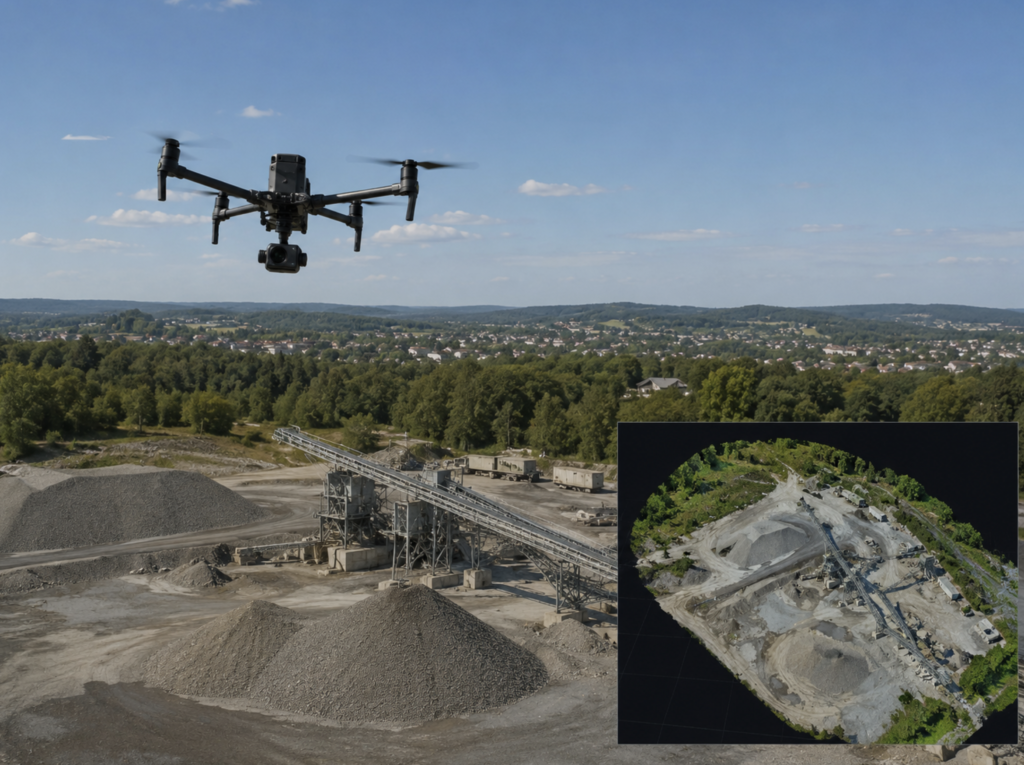
Drone safety in Canada depends on the aircraft, operating environment, mission category and crew. Ven-Tech reviews each mission against current Canadian Aviation Regulations, Transport Canada requirements, site rules and client controls.
Confirm the operation category, pilot certificate, aircraft registration and marking, aircraft eligibility or safety assurance, and any required airspace authorization or Special Flight Operations Certificate.
Document the site survey, weather and visibility limits, flight area, crew roles, command-and-control link, batteries, lost-link actions, bystanders, emergency landing areas and ground security.
Coordinate landowner and facility permissions, aviation and construction interfaces, privacy, sensitive imagery, data custody, wildlife considerations, noise and client security requirements.
Regulations evolve. The project team verifies current requirements before flight, including the newer Level 1 Complex and lower-risk BVLOS framework where it applies.
 RPAS / CANADA
Confined space · pipe systems
Remote platforms can reduce entry, but the asset still requires isolation, atmospheric and retrieval planning appropriate to the work.
Ven-Tech reviews space classification, access, lockout and isolation, contents, atmospheric hazards, ventilation, communications and retrieval. When human entry is required, the team confirms permits, trained roles, continuous or periodic testing as required, attendant coverage and a rescue plan that is suitable for the space.
Explore confined-space inspection services ↗Pipe work begins with system ownership and status: pressure, flow, electrical and mechanical energy, valves, product, contamination, access points and adjacent operations. The plan identifies zero-energy verification, decontamination, crawler or tooling retrieval, line-of-fire controls and the handback boundary.
Explore pipe inspection services ↗Environmental stewardship
Environmental planning is built around the receiving environment, asset contents, land and water access, client commitments and permit conditions. Controls are selected before mobilization and verified during field work.
Emergency preparedness
An emergency plan is useful only when it fits the location, people, hazards, communications and response resources actually available.
Identify credible events including medical emergencies, diver or confined-space rescue, loss of aircraft or robot, spill, fire, severe weather and vessel incidents.
Assign roles, verify first aid and rescue competence, stage appropriate equipment, and confirm access to external response and medical resources.
Establish primary and backup communications, contacts, escalation paths, muster points, location information and medevac or transport routes.
Brief the plan, conduct drills where warranted, record lessons, investigate events, close corrective actions and update the plan when conditions change.
Competence & equipment assurance
Training is verified against the person, task, jurisdiction and client requirement. Equipment is selected, inspected and maintained for the intended service, with calibrations and certifications confirmed where applicable.
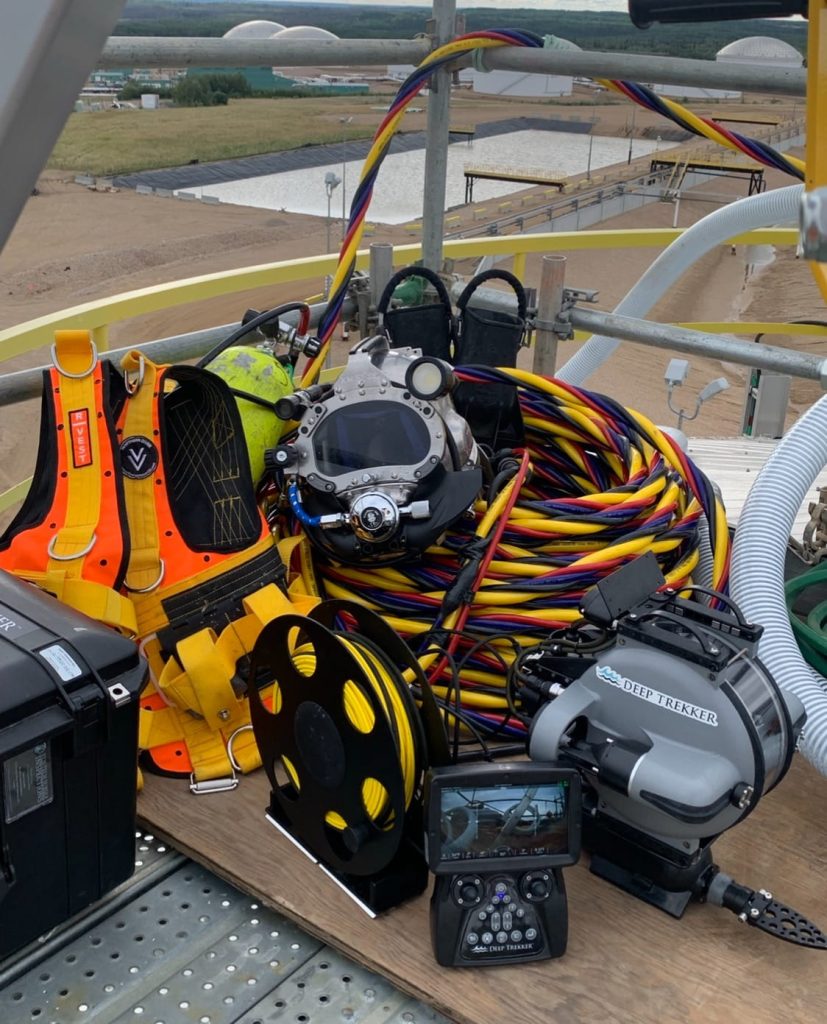
Qualifications vary by employee, currency, role and project. Ven-Tech confirms the assigned team and required documentation during project planning.
Certified · recognized · accountable
Ven-Tech supports demanding procurement environments with recognized contractor-management profiles, safety accreditation, technical qualifications and documented project controls.
Recognition of Ven-Tech’s occupational health and safety management system.

Contractor prequalification profile, including the ESG program badge.

Supplier qualification and contractor-management profile for participating clients.

Contractor qualification and compliance information for applicable client programs.

Third-party contractor health and safety accreditation.
Reservoir workflows planned around applicable water-industry requirements.
Fire-water asset work coordinated with applicable inspection and maintenance programs.
Specialist underwater inspection qualifications available within the team, subject to assignment.
Important distinction: COR® recognition, contractor-management memberships, industry standards and individual qualifications serve different purposes. Ven-Tech confirms current program standing, applicable standards and assigned personnel for each project.
Standards & jurisdictions
Legal and technical requirements are confirmed for each project rather than assumed from a generic checklist. The applicable edition, authority having jurisdiction, client specification and assigned qualifications are documented during planning.
Applicable occupational health and safety rules and workers’ compensation requirements, including WorkSafeBC and the corresponding authorities for Alberta, Saskatchewan, Nunavut, the Northwest Territories, Yukon and other project locations.
Applicable Canadian occupational-diving legislation and CSA Z275 requirements, supported by project dive plans, qualified personnel and client-specific procedures.
Applicable confined-space regulation and CSA Z1006 principles for program management, hazard assessment, isolation, entry, monitoring and rescue.
Canadian Aviation Regulations Part IX and current Transport Canada RPAS requirements; applicable Transport Canada marine, vessel and operator requirements for marine work.
Project requirements may reference AWWA C652 and NFPA 25 for potable-water and fire-water assets, together with owner procedures and local public-health requirements.
NASSCO PACP, CWB, CSWIP 3.1U/3.2U, NDT and IMCA-aligned practices may apply depending on the asset, method, deliverable and client specification.
 VEN-TECH PROPRIETARY FRAMEWORK
ATHENA™ operational support
ATHENA™ is Ven-Tech’s proprietary operational-support framework developed from field experience. It helps organize project intake, hazard prompts, work-plan preparation, JSA and emergency-response information, competency and equipment records, and the evidence needed for closeout.
ATHENA™ supports qualified people; it does not replace legal duties, competent supervision, client approval or professional judgement. Project teams remain accountable for confirming that the plan matches current conditions and stopping work when it does not.
Explore ATHENA™ →Client assurance package
Provide the scope, site, jurisdiction, schedule and client standards. Ven-Tech will identify the HSE and technical documents relevant to the project stage.
Policy, contractor profiles, insurance, WCB status, applicable certificates and requested performance information.
HSE plan, hazard assessment, work procedure, dive or flight plan, environmental controls, permits and emergency response.
Role assignments, competency evidence, orientations, equipment inspections, maintenance, calibration and certification where required.
Pre-job and field-level records, inspections, observations, changes, incidents, corrective actions and project completion documentation.
HSE frequently asked questions
These answers summarize Ven-Tech’s HSE approach. Final requirements are confirmed for the actual jurisdiction, scope, site and client.
HSE means health, safety and environmental management. At Ven-Tech, it is the system used to define responsibilities, identify hazards, select controls, verify competence and equipment, prepare for emergencies, protect the environment and learn from field performance.
Commercial diving work is planned for the jurisdiction, site and task. Controls can include a project-specific dive plan, hazard assessment, competent supervision, assigned diver/tender/standby roles, communications, breathing-gas and equipment checks, exposure and decompression limits, rescue arrangements and medical readiness.
Each UAS or RPAS mission is reviewed against current Canadian Aviation Regulations and Transport Canada requirements. The review covers operation category, pilot certification, aircraft registration and eligibility, airspace, site access, bystanders, weather, command-and-control links, privacy, security and any permission or Special Flight Operations Certificate required for the mission.
No. Robotics may reduce or avoid human entry, but the space and surrounding worksite still require assessment. Isolation, atmospheric hazards, access control, equipment retrieval, attendant needs, rescue planning and any applicable entry requirements are confirmed before work.
Subject to confidentiality and project stage, clients may request applicable certificates, contractor-management status, insurance information, safety statistics, competency records, equipment documentation, a project HSE plan, hazard assessments, work procedures, emergency plans and environmental controls.
Subcontractors and specialist partners are prequalified according to the risk and client requirements. Ven-Tech confirms scope, competence, insurance, orientations, equipment, documentation, communication and field supervision before they perform work.
Every worker is expected to pause or stop work when conditions are unsafe, controls are ineffective, the scope changes, or the team cannot execute the approved plan. Work resumes only after the concern is reviewed and effective controls are confirmed.
Environmental controls are selected for the asset and site. They may address spill prevention, waste, potable-water hygiene, invasive species and biosecurity, turbidity, habitat and wildlife, noise, energy use, decontamination, sampling integrity and incident response.
HSE documentation · project planning · field readiness
Send Ven-Tech the asset, work location, known hazards, client standards, schedule and required deliverables. We’ll help define the controls, people, equipment and documentation needed for a safe, practical field plan.