Abandonment, isolation, infiltration control and localized repair are different objectives. The owner or engineer defines the required function, design life, location and acceptance criteria.
TRENCHLESS PIPE SEALING · CANADA
Trenchless Pipe Sealing.
Reach the line. Control the closure.
Trenchless Pipe Sealing for suitable abandoned pipelines, intakes, outfalls and utility conduits—using robotic CCTV access, project-selected materials and documented verification.
ROBOTICInternal access
CONTROLLEDMaterial placement
VERIFIEDCloseout evidence
See the method in action
Inside the pipe.
At the sealing point.
Watch Ven-Tech’s robotic trenchless sealing approach before reviewing the detailed capabilities below.
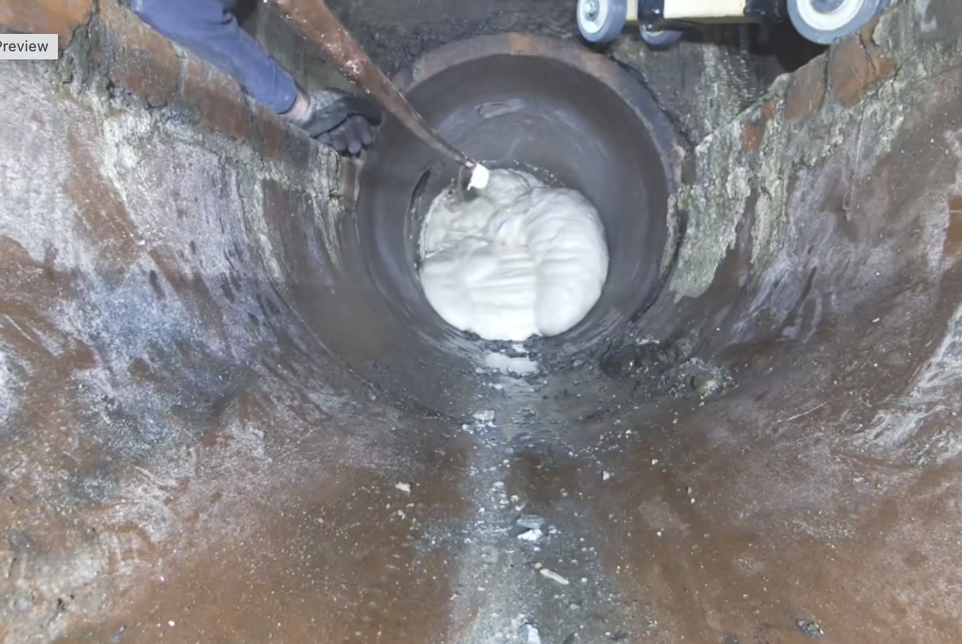
This field video shows customers how remote internal access and controlled placement can reach a suitable pipe location without opening the full surface route.
Explore the complete sealing process ↓Remote access. Defined acceptance.
Trenchless Pipe Sealing
starts with suitability.
The value of a trenchless method is not simply avoiding excavation. It is reaching the correct internal location, installing the approved system under controlled conditions and proving what was completed.
Ven-Tech brings CCTV crawlers, remote tooling, pipeline inspection and field controls together for suitable municipal, industrial, utility and marine-connected pipe assets. The work may support an approved abandonment, isolation, localized sealing or infiltration-control objective where external access would be disruptive, costly or impractical.
No seal should be sold as a universal result. Pipe geometry, substrate, contents, moisture, flow, pressure, temperature, service, design life and testing criteria determine whether the method can responsibly proceed. Ven-Tech develops the field plan around owner- or engineer-approved requirements, then records the installation and its limitations.
Suitability before mobilizationTraceable material controlVerification defined in advance
Diameter, material, distortion, joints, debris, water, flow, pressure, bends, distance and access are reviewed before the method is selected.
Resin, grout, expanding material or plug components must be compatible with the pipe, contents, environment, substrate, cure conditions and approved design.
Location, batch, volume, cure, video, test requirements and acceptance responsibility are set in advance so the finished record supports a defensible decision.
Integrated pipe intervention
Trenchless Pipe Sealing Services.
Configured for the asset.
Each capability is selected around the actual route, operating condition, access, approved material system and required evidence.
 01↗
01↗CCTV route and condition survey
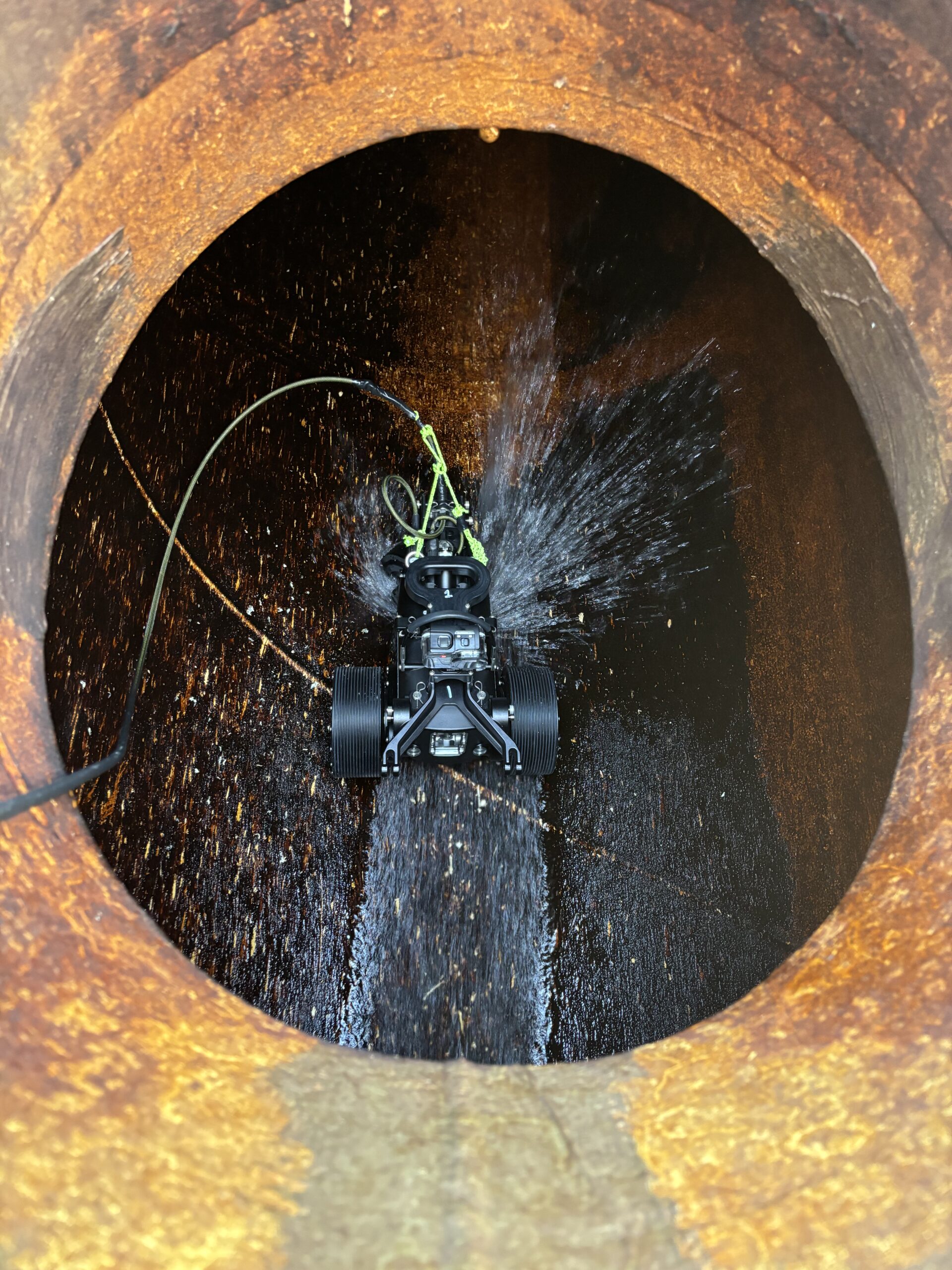
A pre-work camera survey documents access, diameter, material, joints, bends, debris, standing water, active connections and the proposed sealing location. The result is used to confirm whether Trenchless Pipe Sealing is technically suitable before material or tooling is committed.
 02↗
02↗Robotic access and positioning
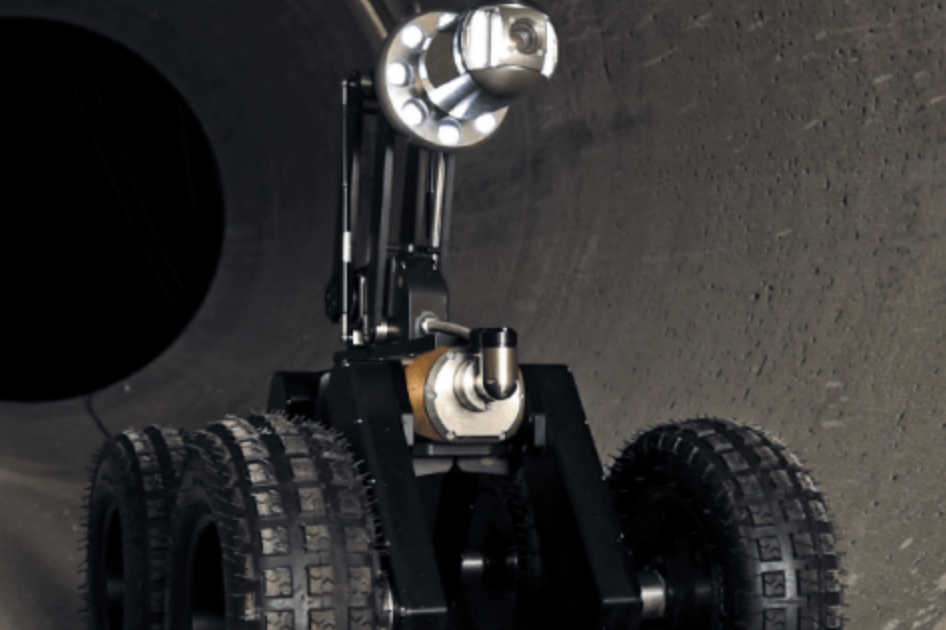
A configured crawler carries lighting, video and distance references to the approved work location. Wheel, camera, tether and recovery arrangements are selected around the actual pipe so the operator can position tooling with a controlled, reviewable approach.
 03↗
03↗Cleaning and surface preparation
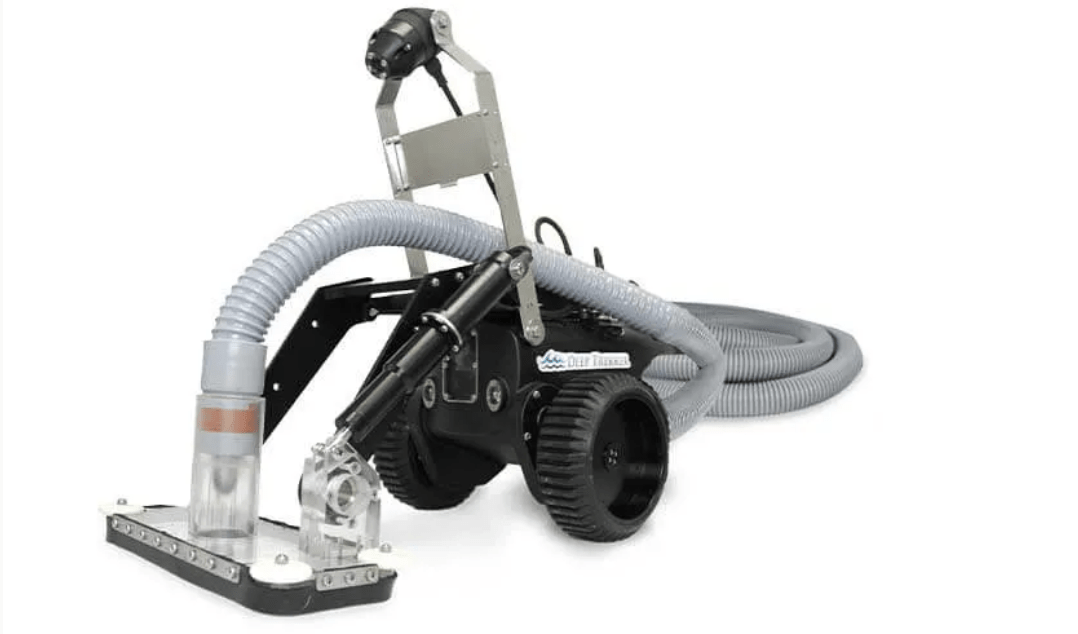
Loose material, deposits or water may interfere with inspection, tool placement or adhesion. Suitable cleaning, vacuum or preparation tools can expose the target area and establish the conditions required by the approved sealing system and manufacturer instructions.
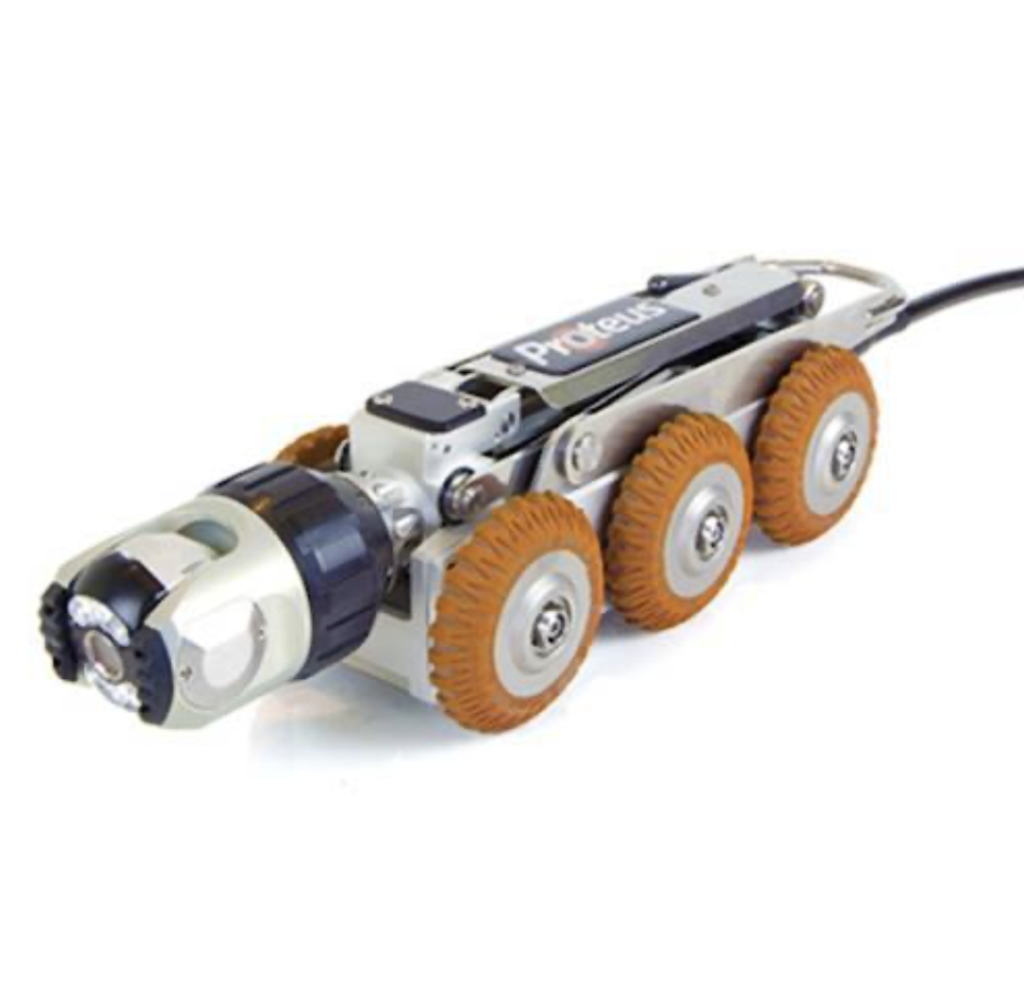 04↗
04↗Injection and plug tooling
Packer, injection or custom placement tooling is configured for the pipe geometry, required plug location, material volume and cure sequence. Material choice and installation limits remain tied to the engineer-, owner- or authority-approved design basis.
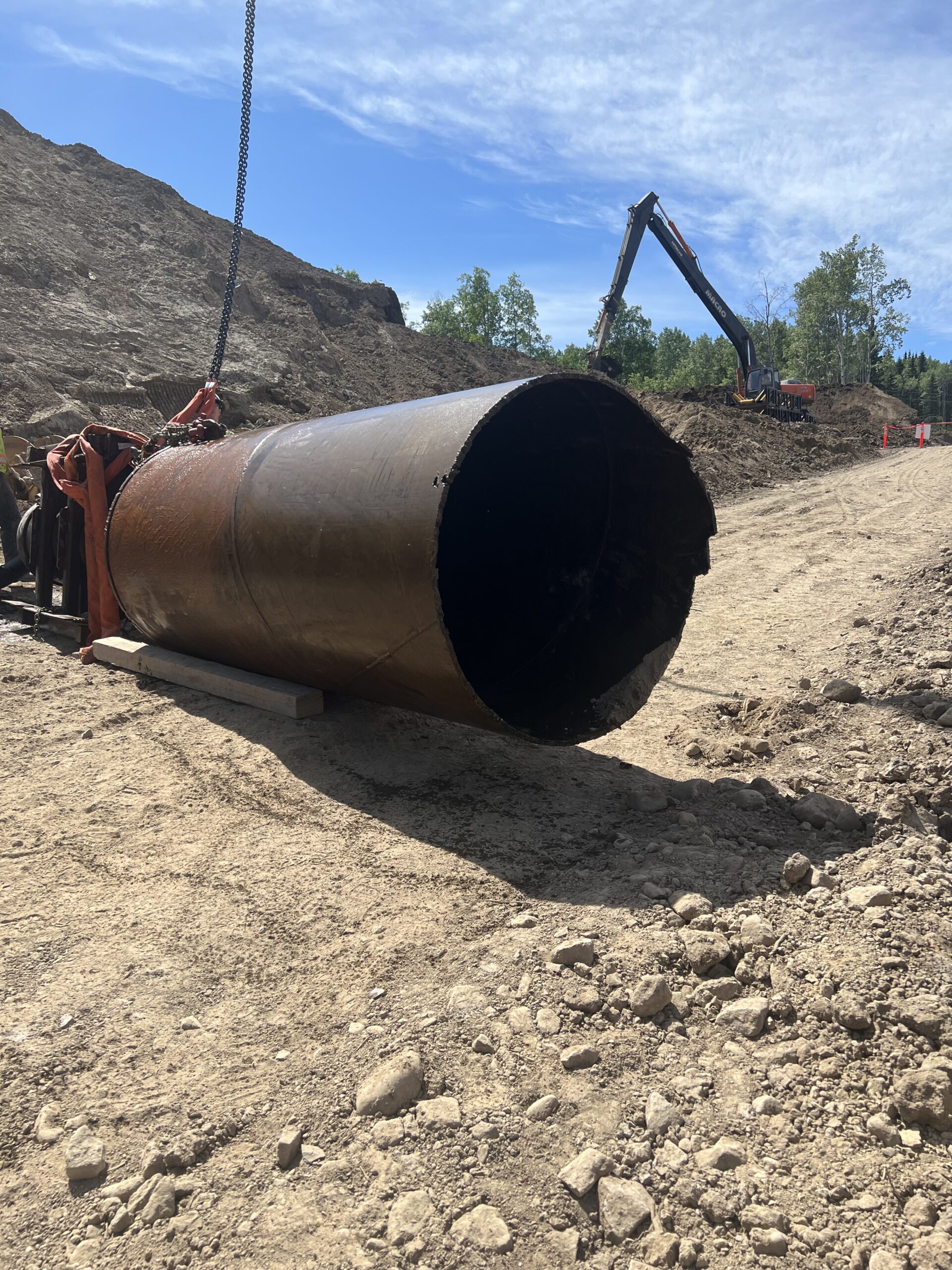 05↗
05↗Difficult-access pipe systems
Remote deployment can support suitable lines below roads, buildings, process areas, environmentally sensitive ground or other locations where open excavation would be disruptive. Route, tether distance, bends, isolation and recovery still govern feasibility.
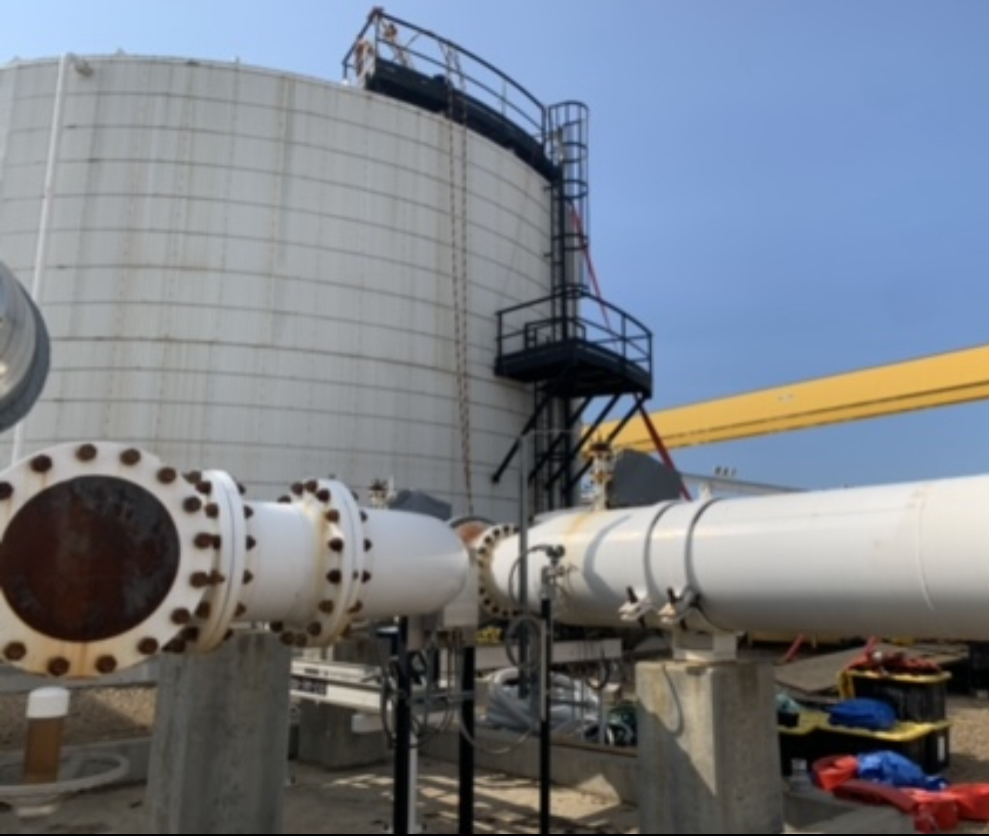 06↗
06↗Verification and closeout
Post-installation video, position records, material information and specified testing are organized into a clear project package. The verification method—visual, cure confirmation, pressure or leakage testing, or another criterion—is defined before field execution.
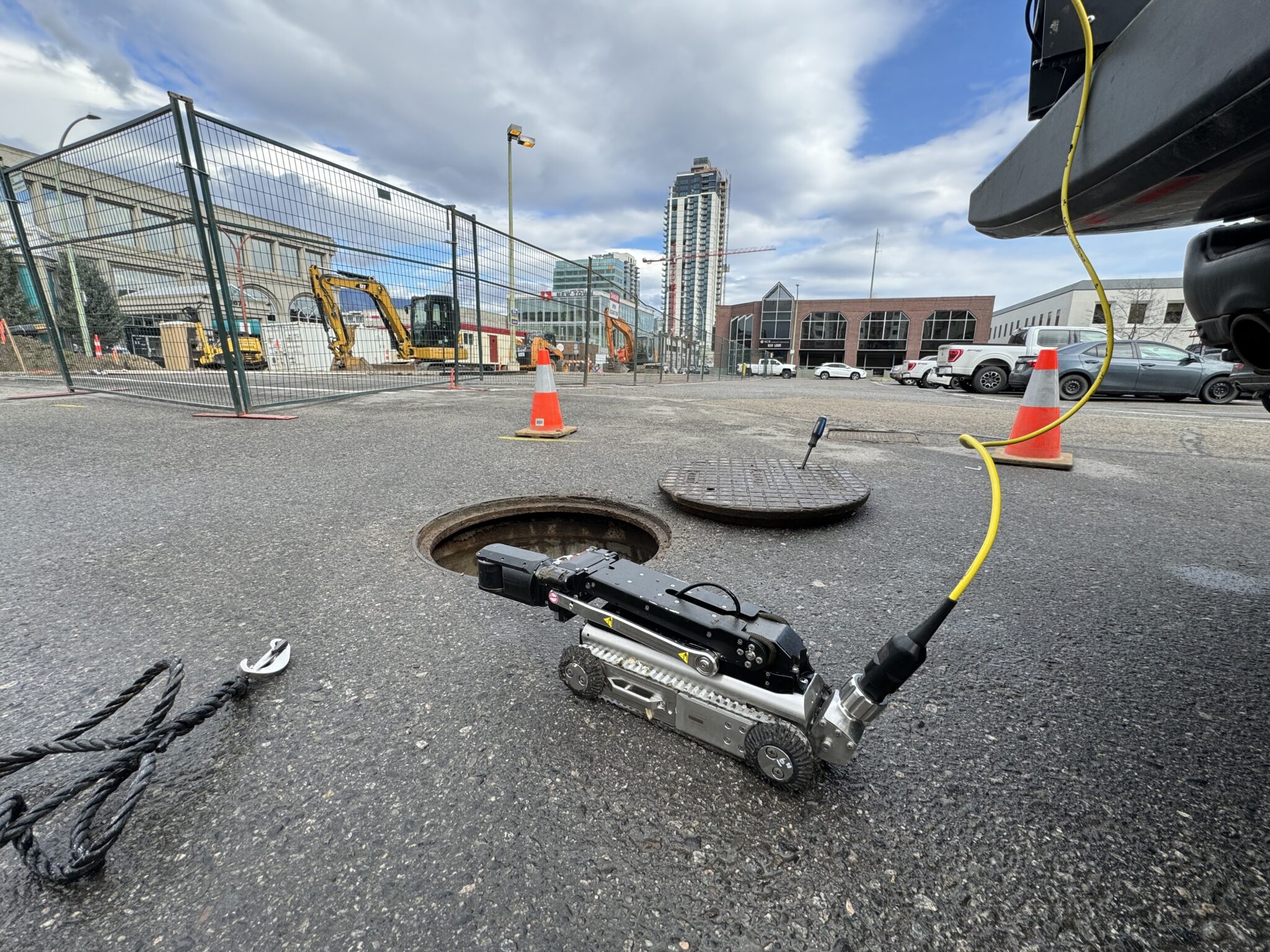
Feasibility before intervention
Reach the target.
Keep a route home.
Remote installation is only responsible when the platform can reach, position, work and recover under the expected pipe conditions.
Ven-Tech reviews the full travel path—not only the proposed sealing point. Access opening, vertical drops, reducers, bends, silt, water, flow, wheel traction, tether pull, communications and retrieval provisions influence the system configuration. A pre-work survey can reveal conflicts while the plan can still change.
- 01Confirm diameter, geometry and target position
- 02Identify debris, active connections and water conditions
- 03Prove tooling clearance, communications and recovery
- 04Connect acceptance criteria to field evidence
7 proven project controls
Define. Survey. Install.
Verify.
Seven connected controls keep design intent, isolation, material placement, field execution and closeout evidence aligned.
Set the closure or sealing objective
Confirm the pipe function, reason for intervention, required service state, proposed location, design responsibility, applicable owner criteria and evidence needed for acceptance.
Read the asset record
Review drawings, service history, previous CCTV, material, diameter, route, connections, operating pressure, contents, access, land or water interfaces and known hazards.
Inspect the actual pipe
Complete the agreed cleaning and CCTV survey, measure accessible geometry, locate connections or obstructions and confirm a controlled path to and from the proposed work area.
Configure method and tooling
Select the crawler, packer or injection tool, sealing material, calculated volume, placement sequence, cure conditions, tether, communications and recovery method for the approved scope.
Verify isolation and field controls
Confirm pressure, flow, electrical and mechanical energy, contents, adjacent connections, atmosphere, traffic, environmental interfaces, access control and emergency arrangements.
Position, place and monitor
Navigate to the referenced location, verify camera and distance information, execute the approved placement sequence, record material data and monitor the defined cure or set conditions.
Test and build the closeout record
Reinspect the completed location and perform the specified acceptance checks. Organize video, photographs, logs, material records, test evidence, limitations and outstanding actions.
Methods and technology
The right crawler.
The right sealing system.
Trenchless Pipe Sealing may combine CCTV, cleaning, custom tooling, remote injection, positioning references and hybrid access within one project-specific sequence.
CCTV crawler and lighting
High-definition forward or pan-and-tilt viewing, rear observation, lighting, distance information and suitable wheel or track configurations support route assessment, controlled positioning and post-work verification.
Packer and injection systems
Expandable packers, placement heads, hoses, valves and custom mounts can be configured for localized filling or plug installation where pipe geometry and the approved material system permit.
Project-selected sealing materials
Resins, expanding systems, grouts and prefabricated components each have specific adhesion, expansion, temperature, moisture, chemical, cure and structural limits. Selection must follow the project design and current technical data.
Power, tether and communications
The deployment plan addresses cable length, pull management, pressure and flow effects, camera quality, live control, data recording and a recoverable route throughout the operation.
Location and dimensional references
Distance counters, sondes, asset drawings, access references, measurements and indexed video connect the internal sealing point to the owner’s external asset record.
Hybrid crawler, ROV and diver access
Some projects combine dry-pipe crawlers, submerged ROVs, commercial divers or confined-space support. The least-exposure method that can safely achieve and verify the approved result is selected.
Acceptance is part of the method
Place the material.
Prove the record.
Visual confirmation alone may not establish structural, pressure, leakage or service-life performance. The project team defines what acceptance means before the work starts.
Ven-Tech records the location, equipment, material identification, quantities, field conditions, installation sequence and post-work condition. Where the approved scope includes cure checks, leakage testing, pressure testing, dimensional confirmation or engineering review, those results are connected to the same closeout package.
Indexed pre- and post-work CCTVMaterial batch, volume and cure recordsPosition references and installation logSpecified testing and stated limitations
Trenchless Pipe Sealing deliverables
Installed in the pipe.
Reviewable in the record.
The closeout package connects the approved objective, pre-work condition, field method, material information, verification and remaining actions.
Survey and feasibility record
Access, route, diameter, material, visible condition, obstructions, contents, water or flow and the proposed sealing location, with stated feasibility limits.
Isolation and interface confirmation
Owner-provided system status, controlled energy and flow boundaries, adjacent connections, access controls and assumptions relied upon by the field method.
Indexed pre-work CCTV
Referenced video and stills showing the deployment route, target location, relevant defects or connections and surface condition before placement.
Approved method inputs
Tooling configuration, calculated or specified material volume, placement length or geometry, cure conditions, hold points and acceptance criteria.
Material traceability
Product identification, batch or lot information, expiry and storage checks, quantities used, mixing information and applicable field-condition records.
Installation log
Date, personnel, equipment, access point, deployment direction, position references, sequence, observations, deviations and client or engineering hold-point releases.
Verification and test evidence
Post-work imagery plus the specified cure, dimensional, leakage, pressure or other acceptance evidence, with test conditions and limitations clearly stated.
Final closeout package
A concise report connecting purpose, method, media, material records, results, limitations, accepted field changes and any recommended monitoring or follow-up.
Applications and environments
Less surface disruption.
Controlled internal access.
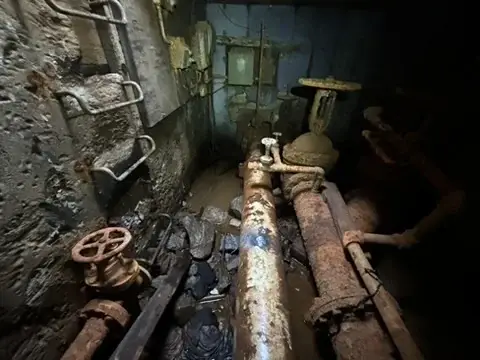
For suitable projects, a remote internal method can reduce excavation, traffic, restoration, access construction and environmental disturbance. Those benefits are evaluated against the actual pipe and approval requirements—not promised in advance.
01Municipal sewer and stormwater lines↗
02Abandoned intakes and outfalls↗
03Industrial process and utility conduits↗
04Water and wastewater infrastructure↗
05Redundant fire-suppression loops↗
06Culverts, sleeves and service crossings↗
07Pipelines below roads or buildings↗
08Remote energy and resource facilities↗
About Ven-Tech
Meet the people.
Understand the capability.
The sealing video now appears near the top of the page. This company overview introduces the team and operating discipline behind the work.
About Ven-Tech Subsea Inspections
Meet the people, field systems and operating discipline behind Ven-Tech’s integrated inspection and robotic capability.
HSE, environmental and technical authority
Control the energy.
Control the material.
Remote equipment can reduce personnel exposure inside a pipe, but it does not remove system hazards. The field plan addresses ownership, pressure, flow, mechanical and electrical energy, contents, atmosphere, adjacent connections, traffic, access, chemicals, spill response, waste, recovery and emergency arrangements.
Any confined-space entry remains subject to the applicable program and regulations. Sealing materials are handled according to the current safety data sheet, manufacturer requirements and approved design. Work on intakes, outfalls or other assets in or near water also requires project-specific environmental review and any owner, regulator or authority requirements.
BCCSA COR® CertifiedISNetworld Member ContractorISNetworld ESG BadgeAvetta ApprovedCognibox CertifiedAlcumus SafeContractorEnergy and flow isolationConfined-space planningMaterial SDS controlTraceable QA/QC
Trenchless Pipe Sealing FAQ
Technical questions.
Responsible answers.
These answers explain where remote internal sealing can add value—and why project criteria and verification remain essential.
What is Trenchless Pipe Sealing?+
Trenchless Pipe Sealing is a project-specific method for placing an approved seal, fill or plug inside a suitable pipeline using remote inspection and placement equipment. It can reduce the need for open excavation, but feasibility depends on the pipe, access, service conditions, sealing objective and acceptance requirements.
Can every pipe be sealed without excavation?+
No. Pipe diameter, material, deformation, debris, water, flow, pressure, bends, access, distance, connections, substrate condition and recovery options all affect suitability. Ven-Tech reviews records and completes an agreed condition survey before confirming the field method.
Is the seal permanent, watertight or gas-tight?+
Those outcomes must not be assumed from the method name. Required service life, water or gas resistance, structural function and test pressure must be defined by the owner or engineer and supported by the selected system’s design information, installation controls and specified acceptance testing.
What materials can be used for Trenchless Pipe Sealing?+
Depending on the approved design, a project may use a resin, grout, expanding formulation, packer-supported repair or prefabricated plug component. Compatibility with pipe material, contents, moisture, temperature, chemicals, substrate and environmental requirements must be confirmed before use.
How is the sealing location verified?+
Ven-Tech can combine access references, crawler distance, sonde or locator information, asset drawings and indexed video. The project plan defines the required positional tolerance and how internal references will connect to the owner’s asset record.
How is completed work accepted?+
Acceptance is established before installation. It may include post-work CCTV, material and volume records, cure confirmation, dimensional checks, leakage or pressure testing, engineering review or another owner-defined criterion. The final report states the method, results and limitations.
Can Trenchless Pipe Sealing be used near fish habitat?+
Potentially, but work near water requires project-specific environmental review. Isolation, product containment, cure behaviour, accidental-release controls and regulatory or owner requirements must be addressed. Fisheries and Oceans Canada publishes guidance for projects in or near water.
What information is needed for a Trenchless Pipe Sealing quote?+
Provide the pipe purpose, material, diameter, length, route, access points, bends and connections, current service status, contents, flow or pressure, drawings, previous CCTV, contamination or environmental concerns, required sealing objective, acceptance criteria, schedule and desired deliverables.
Bring us the pipe record and the closure objective
Reach the line.
Define the proof.
Send the drawings, previous CCTV, pipe material and dimensions, access, connections, operating status, contents, environmental interfaces, required sealing function and acceptance criteria. Ven-Tech will review the Trenchless Pipe Sealing scope and define the next responsible step.