 01
01PORTABLE / RAPID
Observation-class ROV
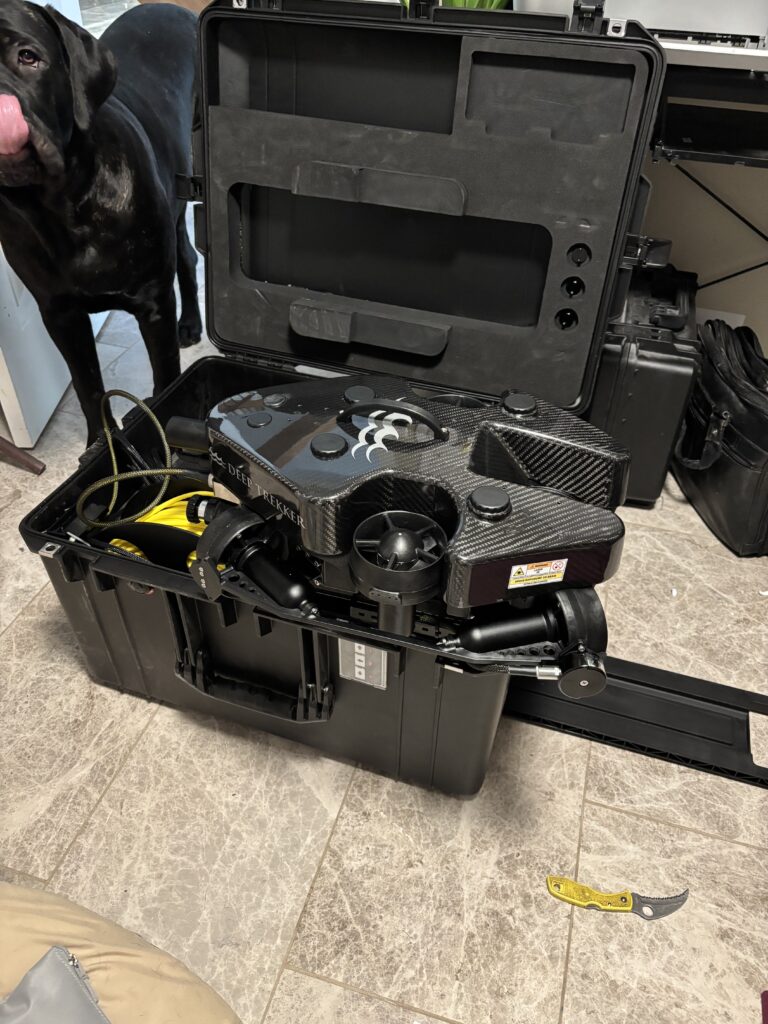
Compact, transportable platforms for fast visual inspection in reservoirs, tanks, marinas, hulls, intakes and other inshore or restricted-access environments.
Inspection · survey · intervention
Ven-Tech ROV services combine high-definition video, imaging sonar, subsea positioning, NDT probes, manipulators and mission-specific tooling for safer underwater inspection, mapping and intervention across Canada.
Remote access. Useful evidence.
Professional ROV services should answer the inspection question—not simply produce underwater video.
Ven-Tech plans each mission around the asset, access, water conditions, required contact, operating constraints and final deliverable. Our fleet ranges from portable observation-class units to tooling-ready light work-class platforms and project-selected work-class support for more demanding inshore, offshore and confined-space operations.
Real-time video, sonar, positioning and sensor data allow owners, engineers and field representatives to follow the work as it happens. After the mission, organized imagery, measurements, observations and limitations become a traceable record for maintenance, engineering or intervention planning.
ROV service capabilities
From a rapid visual check to a sonar-led survey or tooling program, each ROV system is configured around the underwater environment and required outcome.
 01↗
01↗4K visual inspection, laser scaling, sonar, positioning and structured observations for dams, bridges, wharves, hulls, intakes, outfalls, pipelines and submerged utilities.
Explore ROV capability →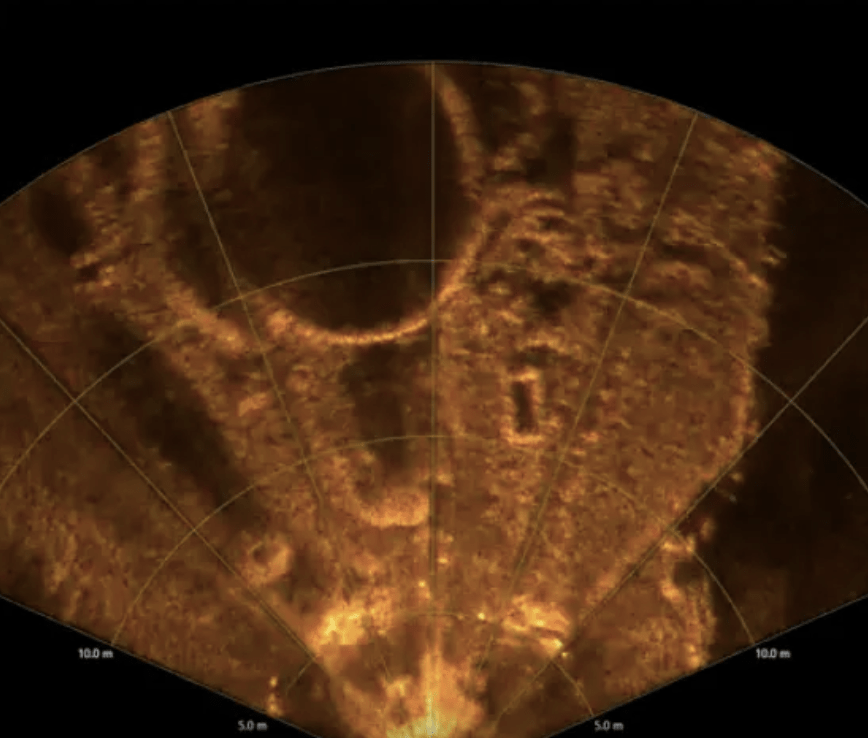 02↗
02↗High-frequency acoustic imaging supports target detection, structural review and navigation when darkness, turbidity or suspended sediment limits conventional cameras.
Explore ROV capability →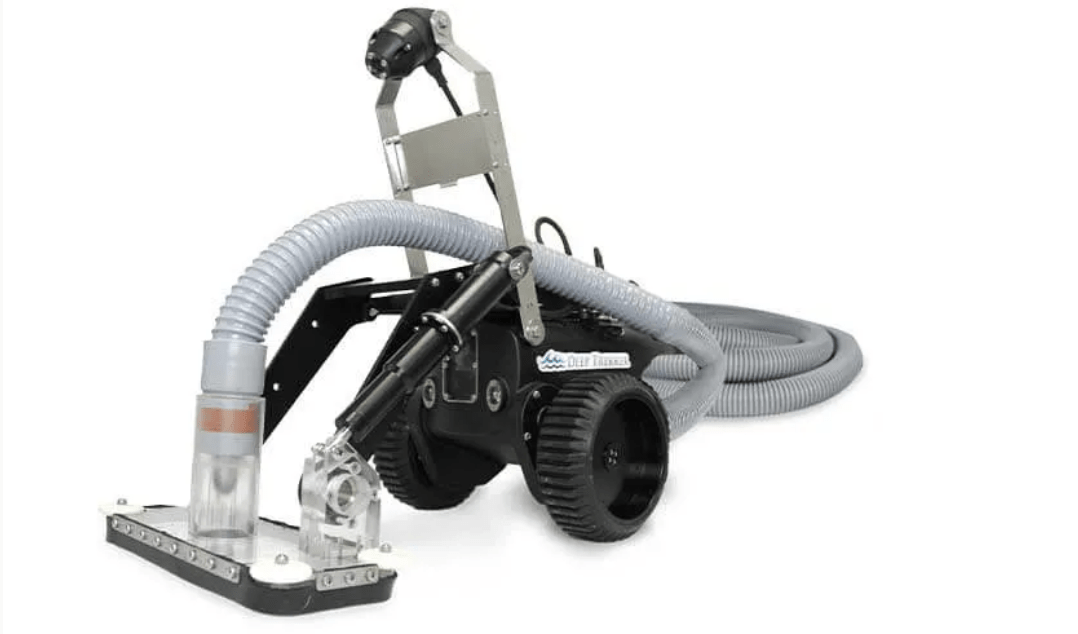 03↗
03↗Potable-water and fire-water assets can be inspected, documented and supported with project-selected robotic systems that reduce unnecessary draining or entry.
Explore ROV capability →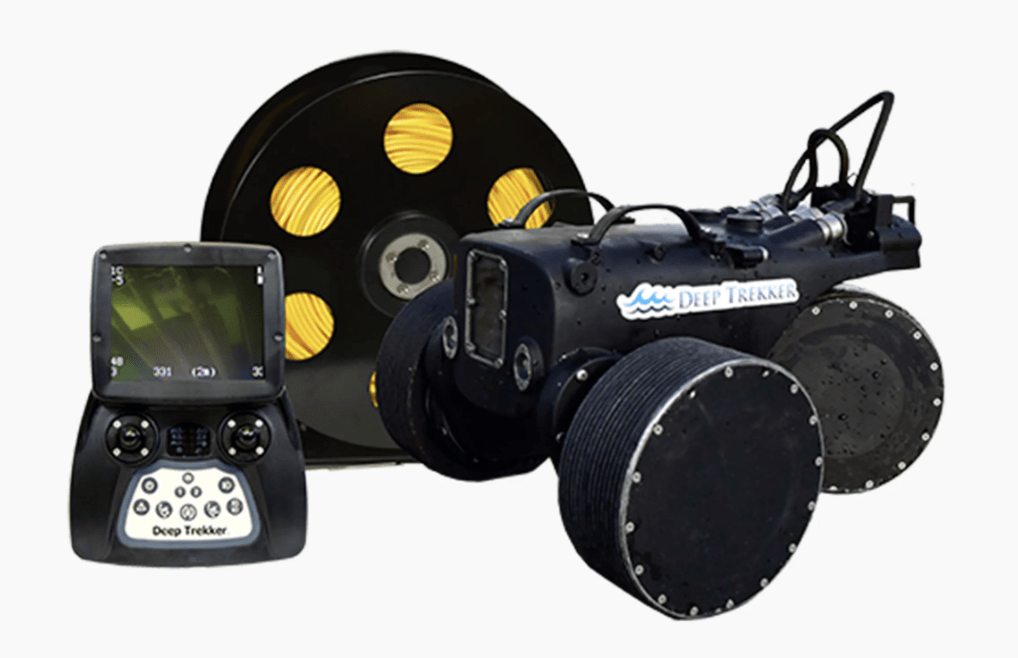 04↗
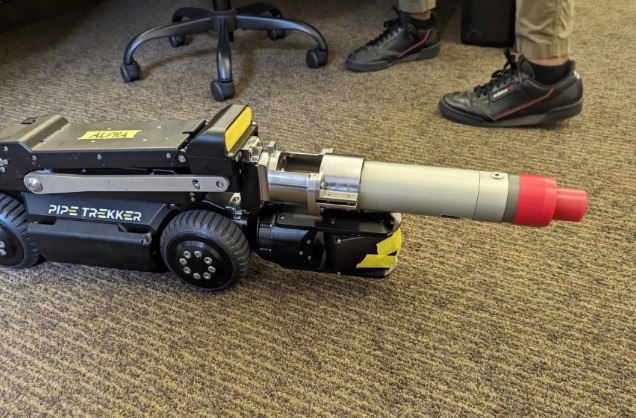
04↗Compact ROV and crawler platforms reach submerged pipes, tanks, culverts, shafts and restricted interiors with lighting, video, sonar and purpose-selected tooling.
Explore ROV capability →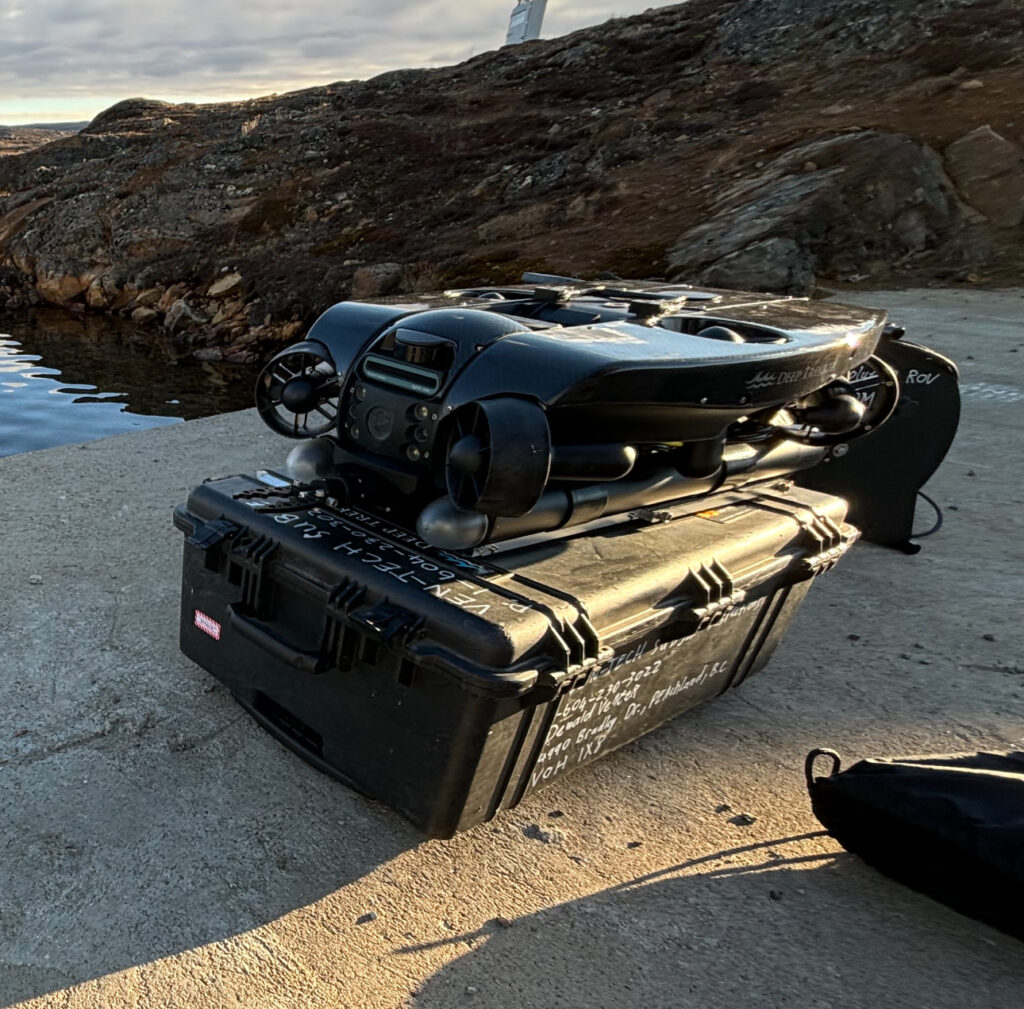 05↗
05↗Positioned imagery and acoustic data can support scaled models, point clouds, condition comparisons, measurements and engineering-ready visualization of suitable assets.
Explore ROV capability →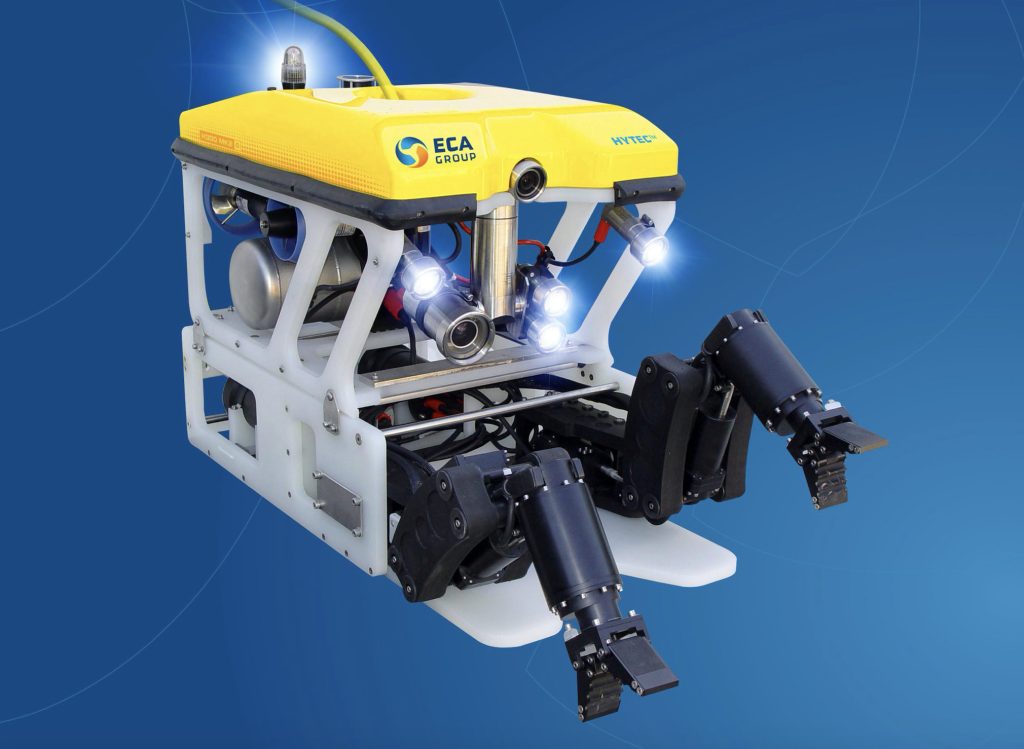 06↗
06↗Sonar-led search patterns, live video and manipulators support object location, verification, recovery planning and suitable retrieval operations.
Explore ROV capability →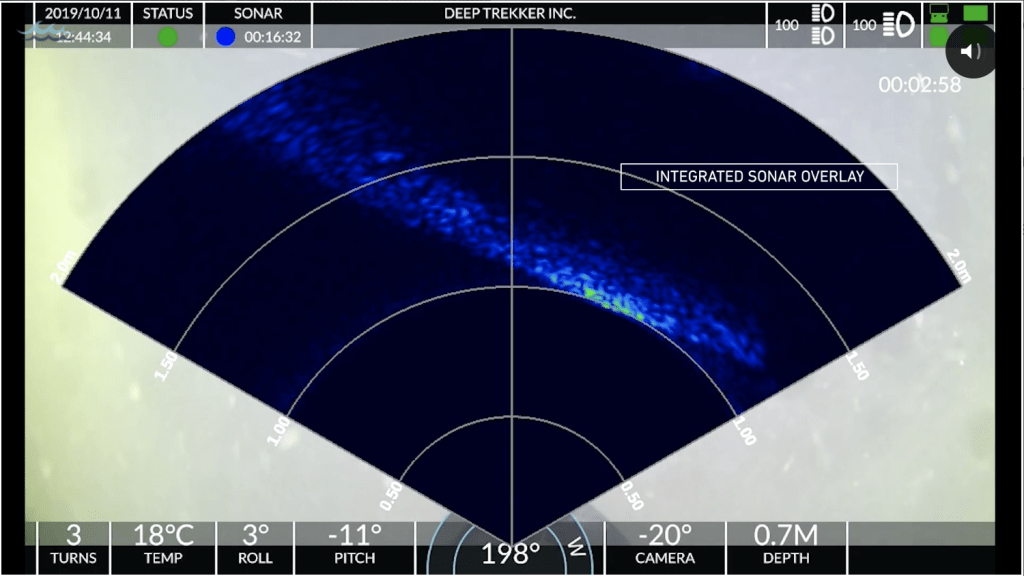 07↗
07↗ROVs can provide live observation, placement verification, cable and line monitoring, tooling support and progress documentation around marine construction activity.
Explore ROV capability →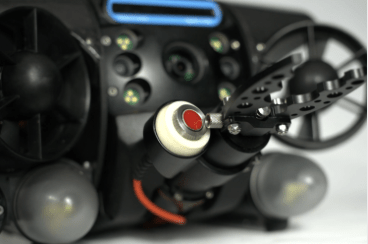 08↗
08↗Repeatable inspection routes, cleaning attachments and intervention tooling help owners verify condition, monitor deterioration and plan targeted maintenance.
Explore ROV capability →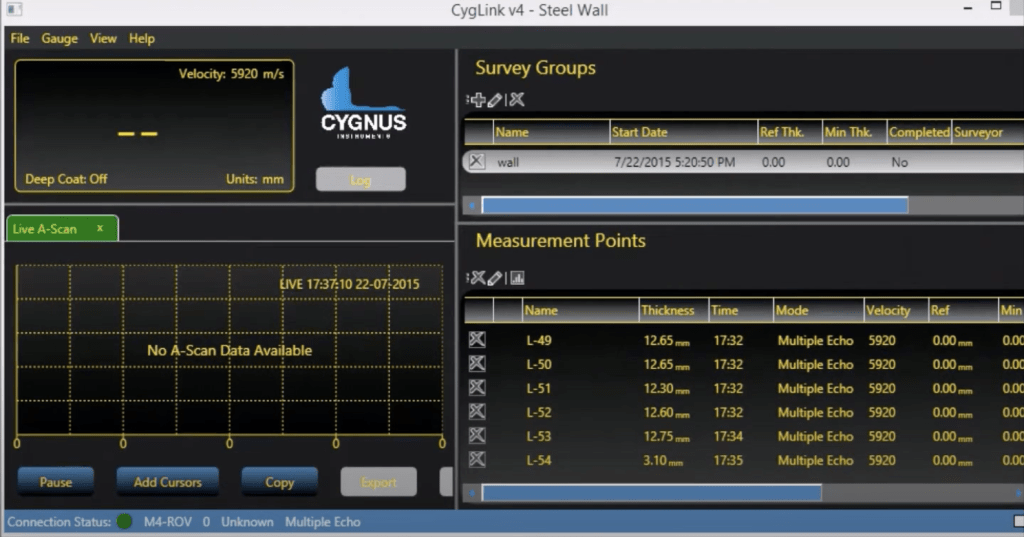 09↗
09↗Imaging sonar, stable vehicle control and deliberate navigation plans maintain useful coverage where optical visibility alone cannot answer the inspection question.
Explore ROV capability →ROV service capabilities
From a rapid visual check to a sonar-led survey or tooling program, each ROV system is configured around the underwater environment and required outcome.
01↗4K visual inspection, laser scaling, sonar, positioning and structured observations for dams, bridges, wharves, hulls, intakes, outfalls, pipelines and submerged utilities.
Explore ROV capability →02↗High-frequency acoustic imaging supports target detection, structural review and navigation when darkness, turbidity or suspended sediment limits conventional cameras.
Explore ROV capability →03↗Potable-water and fire-water assets can be inspected, documented and supported with project-selected robotic systems that reduce unnecessary draining or entry.
Explore ROV capability →04↗Compact ROV and crawler platforms reach submerged pipes, tanks, culverts, shafts and restricted interiors with lighting, video, sonar and purpose-selected tooling.
Explore ROV capability →05↗Positioned imagery and acoustic data can support scaled models, point clouds, condition comparisons, measurements and engineering-ready visualization of suitable assets.
Explore ROV capability →06↗Sonar-led search patterns, live video and manipulators support object location, verification, recovery planning and suitable retrieval operations.
Explore ROV capability →07↗ROVs can provide live observation, placement verification, cable and line monitoring, tooling support and progress documentation around marine construction activity.
Explore ROV capability →08↗Repeatable inspection routes, cleaning attachments and intervention tooling help owners verify condition, monitor deterioration and plan targeted maintenance.
Explore ROV capability →09↗Imaging sonar, stable vehicle control and deliberate navigation plans maintain useful coverage where optical visibility alone cannot answer the inspection question.
Explore ROV capability →Inspection intelligence
A strong ROV program connects vehicle control, sensor quality, asset references and reporting from the first dive plan through the final project record.
ROV fleet classes
Vehicle selection follows the mission. Depth rating alone does not determine whether a platform can control, see, measure or safely recover in the actual environment.
01Compact, transportable platforms for fast visual inspection in reservoirs, tanks, marinas, hulls, intakes and other inshore or restricted-access environments.
 02
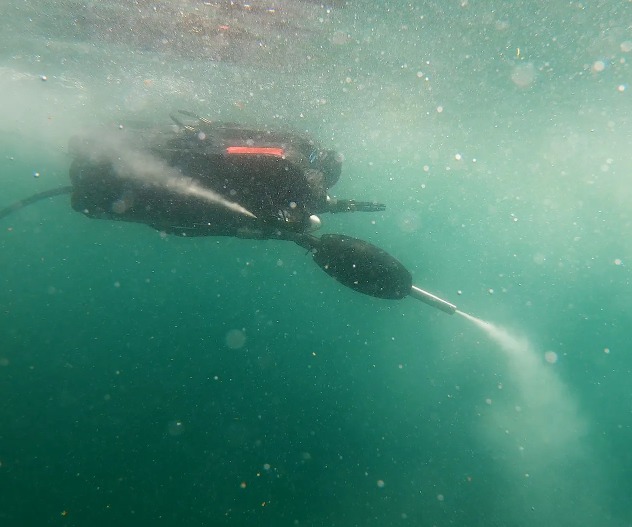
02Stable vehicles with payload capacity for sonar, manipulators, laser scaling, NDT probes, positioning and mission-specific sensors in more demanding conditions.
 03
03Project-selected work-class systems for deeper, higher-current or tooling-intensive scopes requiring substantial power, payload and intervention capability.
 04
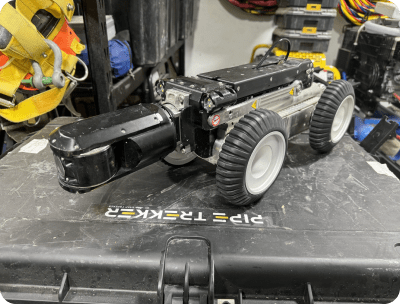
04Tracked, wheeled and magnetic platforms complement free-swimming ROVs where surfaces, pipe geometry or restricted spaces favour controlled contact inspection.
ROV fleet classes
Vehicle selection follows the mission. Depth rating alone does not determine whether a platform can control, see, measure or safely recover in the actual environment.
 01
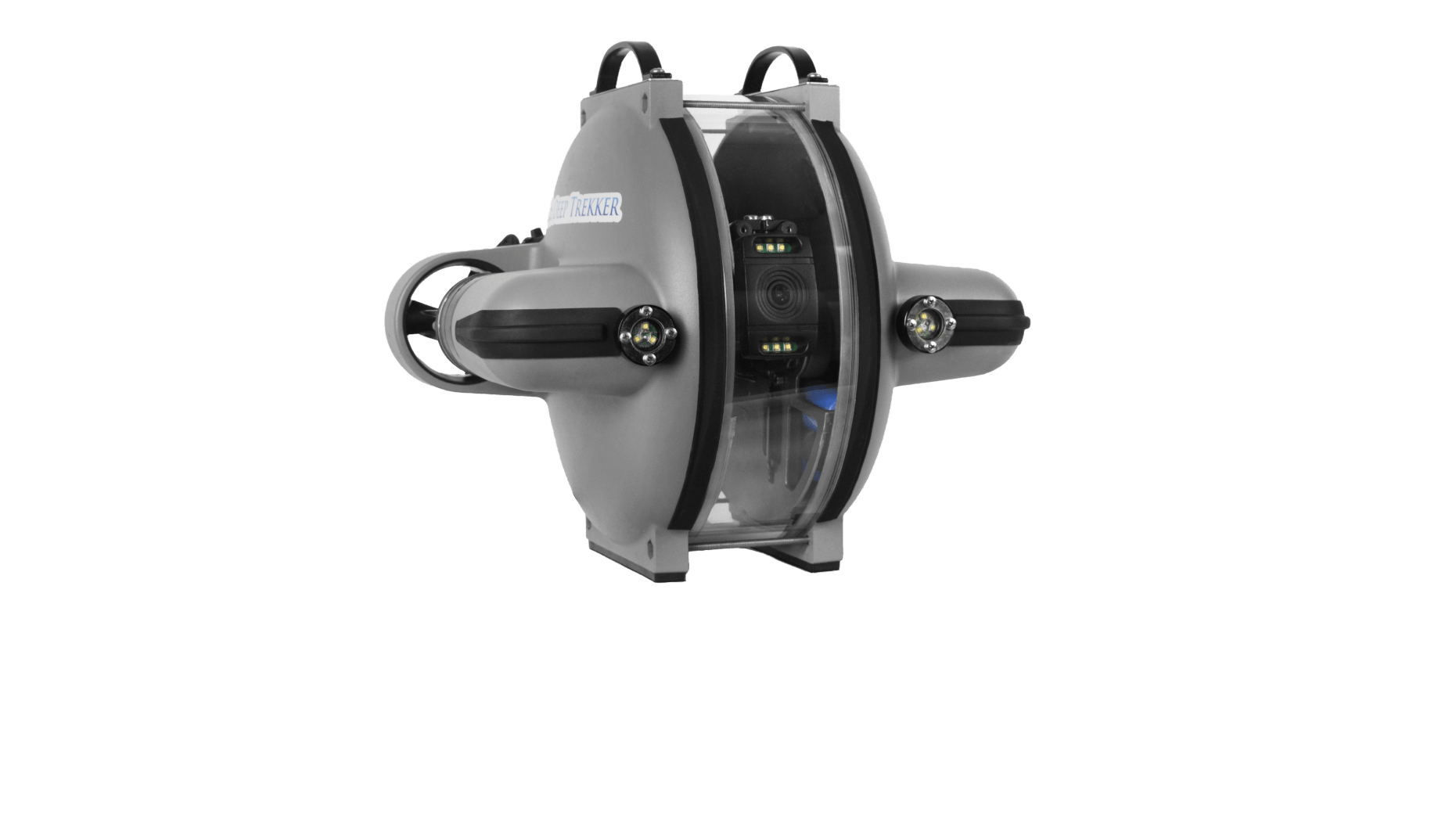
01Compact, transportable platforms for fast visual inspection in reservoirs, tanks, marinas, hulls, intakes and other inshore or restricted-access environments.
 02
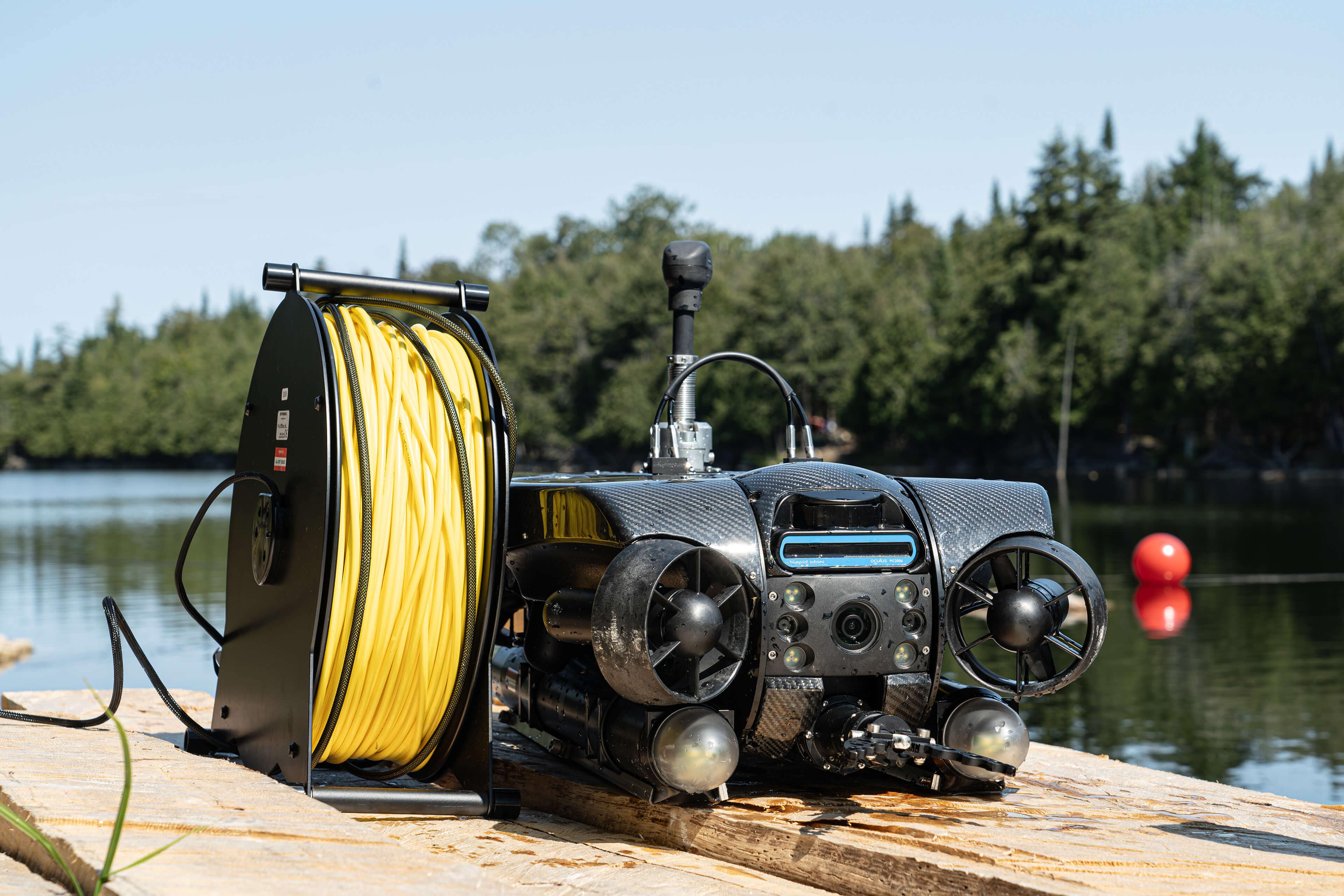
02Stable vehicles with payload capacity for sonar, manipulators, laser scaling, NDT probes, positioning and mission-specific sensors in more demanding conditions.
03Project-selected work-class systems for deeper, higher-current or tooling-intensive scopes requiring substantial power, payload and intervention capability.
04Tracked, wheeled and magnetic platforms complement free-swimming ROVs where surfaces, pipe geometry or restricted spaces favour controlled contact inspection.
Integrated tools & sensors
Mission-selected sensors and end effectors turn an ROV into a practical inspection, measurement, sampling or maintenance platform.
4K cameras, powerful lighting, laser scaling and live recording provide clear visual evidence with project references and operator observations.
Acoustic imaging supports navigation, target identification, measurement and coverage when water clarity prevents reliable optical inspection.
Project-selected subsea positioning can connect vehicle and target observations to location records, survey control and repeat inspection routes.
ROV-integrated UT probes can collect steel-thickness readings on suitable hulls, tanks, pipes and structures without unnecessary diver exposure.
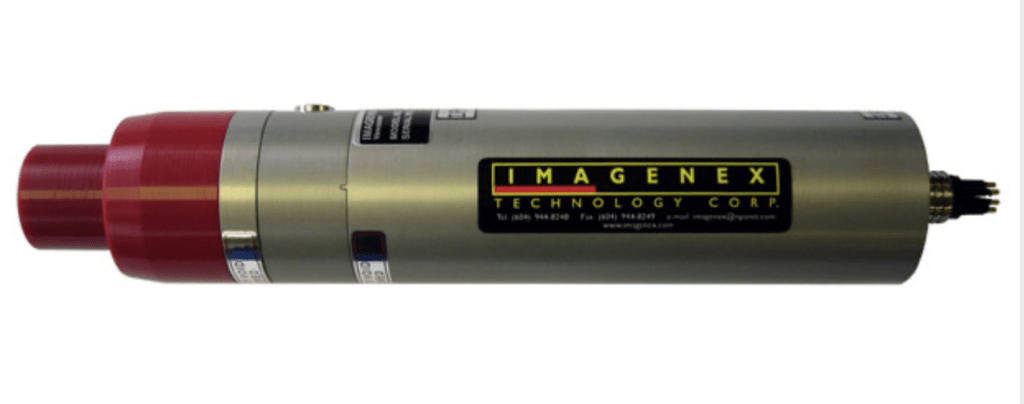
Digital CP probes support corrosion-management surveys on suitable submerged steel assets, vessels, bridges, terminals and energy infrastructure.
A 360-degree acoustic profile can document submerged pipe shape, sediment, obstruction and major geometry changes for condition assessment.
Interchangeable jaws, calipers, water or sediment samplers and task-specific end effectors extend observation into controlled interaction.
Pressure-washing and cavitation attachments can remove marine growth from suitable hulls, chains, intakes and structural surfaces.
ROV services in operation
See how Ven-Tech ROV systems support inspection and underwater operations in real project environments.
ROV project workflow
ROV services are most effective when planning, platform selection, field quality and reporting remain connected. Ven-Tech uses a defined workflow so the system, people and evidence stay aligned with the project objective.
Discuss your ROV scope ↗Confirm the asset, operating environment, inspection question, required measurements, reporting needs and acceptance criteria.
Match vehicle class, tether, launch method, sensor package, tooling, communications and operating limits to the site.
Document hazards, interfaces, navigation, exclusion zones, environmental limits, recovery provisions and stop-work criteria.
Monitor live video, sonar, vehicle status, positioning and coverage while field personnel confirm useful data before demobilization.
Index imagery, observations, measurements and location records; retain limitations and traceability through review.
Issue the agreed report, media and data package for maintenance, engineering, compliance or follow-up intervention.
HSE · quality · operational control
Robotic access can reduce exposure, but a professional ROV mission still requires controlled launch and recovery, electrical and mechanical safety, tether management, vessel and facility interfaces, environmental limits, emergency provisions and qualified supervision.
Review the applicable WorkSafeBC marine-operations requirements ↗ and Ven-Tech’s project-specific controls.
CONTRACTOR ASSURANCE
Ven-Tech’s HSE framework connects scope review, competent personnel, equipment readiness, client controls, field records, stop-work authority and post-project review.
Review Ven-Tech HSE ↗Industries we support
Ven-Tech ROV services support owners and engineering teams responsible for underwater infrastructure, production continuity, public safety and environmental performance.
ROV services FAQ
These answers provide a starting point. The actual vehicle, sensor package, HSE plan and deliverables are confirmed for the specific site.
ROV services are used for underwater inspection, survey, mapping, search, recovery, construction support, maintenance and intervention. Typical assets include dams, bridges, reservoirs, ship hulls, wharves, pipelines, cables, intakes, outfalls, tanks and submerged utilities.
An ROV can often reduce or eliminate diver exposure for visual inspection, sonar, measurement and selected tooling tasks. It does not replace a diver for every scope. Ven-Tech compares access, hazards, required contact, tooling and deliverables before recommending the most practical method.
The appropriate class depends on depth, current, visibility, access, tether distance, payload, launch and recovery, sensor needs, tooling and required endurance. Ven-Tech may recommend a portable observation-class system, light work-class ROV, work-class support or a crawler-based solution.
Yes, for suitable scopes. Imaging sonar, multibeam sonar, controlled navigation and positioning can support target detection and inspection when cameras alone are ineffective. Resolution and limitations are confirmed for the selected sensor and environment.
Deliverables may include indexed HD or 4K video, still images, observation logs, measurements, sonar records, position data, target lists, 3D models, annotated findings and an inspection report. The exact package is agreed before mobilization.
Ven-Tech can integrate ultrasonic-thickness and cathodic-protection probes on suitable ROV platforms. Surface condition, access, contact stability, calibration, required accuracy and inspection procedure are reviewed before the method is confirmed.
Yes. Ven-Tech supports suitable potable-water and fire-water reservoir inspections with project-selected robotic systems and cleaning, disinfection, isolation and reporting controls appropriate to the asset and owner requirements.
Provide the asset type, location, water depth, access points, estimated current and visibility, drawings, known hazards, areas of interest, required measurements, desired deliverables and schedule. Photos and previous inspection reports are also useful.
Start with the underwater problem
Send the location, asset information, water depth, access, known conditions, inspection objective, schedule and required deliverable. Ven-Tech will help define a practical ROV approach.