 01
01100–1500 MM / CONFIGURABLE
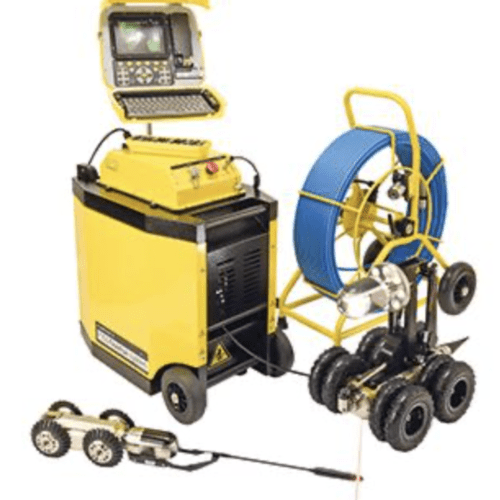
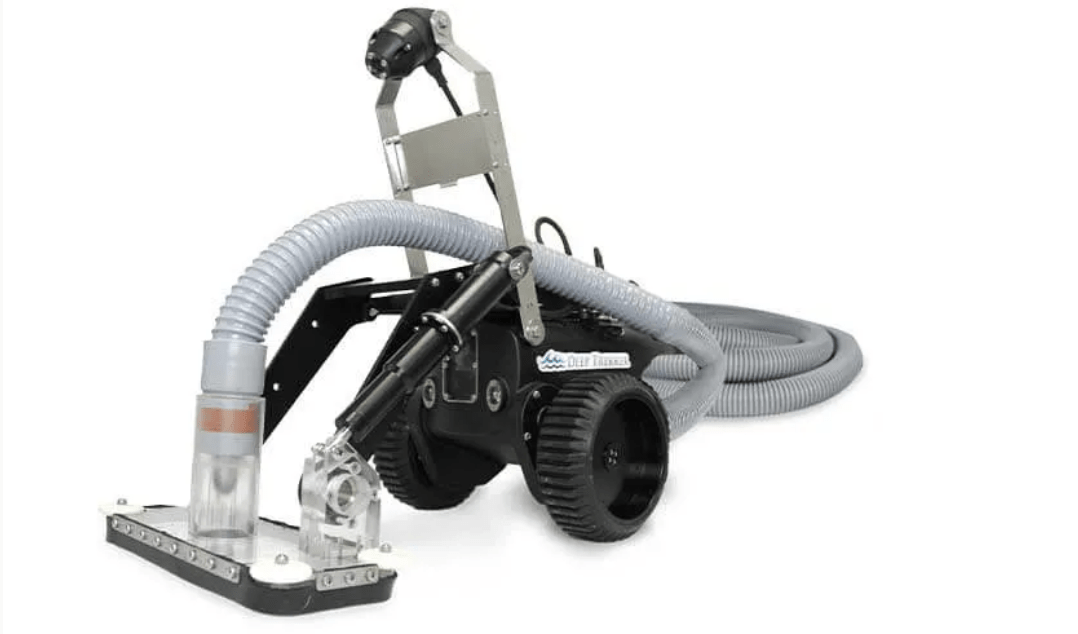
Pearpoint P350
A modular crawler system with powered reel, high-resolution camera, lighting, wheel and elevator options for centered inspection across a wide pipe-size range.
CCTV · crawlers · PACP · sonar
Ven-Tech Pipe Inspection combines robotic CCTV crawlers, distance tracking, PACP condition coding, sonar, LiDAR and 3D documentation for municipal, industrial, energy and marine pipelines across Canada.
Condition from the inside
Effective Pipe Inspection turns internal footage into a repeatable asset record.
Ven-Tech inspects sewer, stormwater, potable-water, industrial, oil and gas, hydroelectric, fire-water and marine pipe systems. Our approach begins with the asset, operating state and required decision before the team selects a crawler, camera, sonar, ROV, confined-space drone or LiDAR workflow.
The result can support preventative maintenance, defect investigation, cleaning, pre- and post-rehabilitation review, acceptance, regulatory documentation or capital planning. Each finding remains connected to the inspection direction, distance, imagery and limitations.
Pipe Inspection applications
Each environment requires its own access, isolation, platform configuration and reporting approach.
 01↗
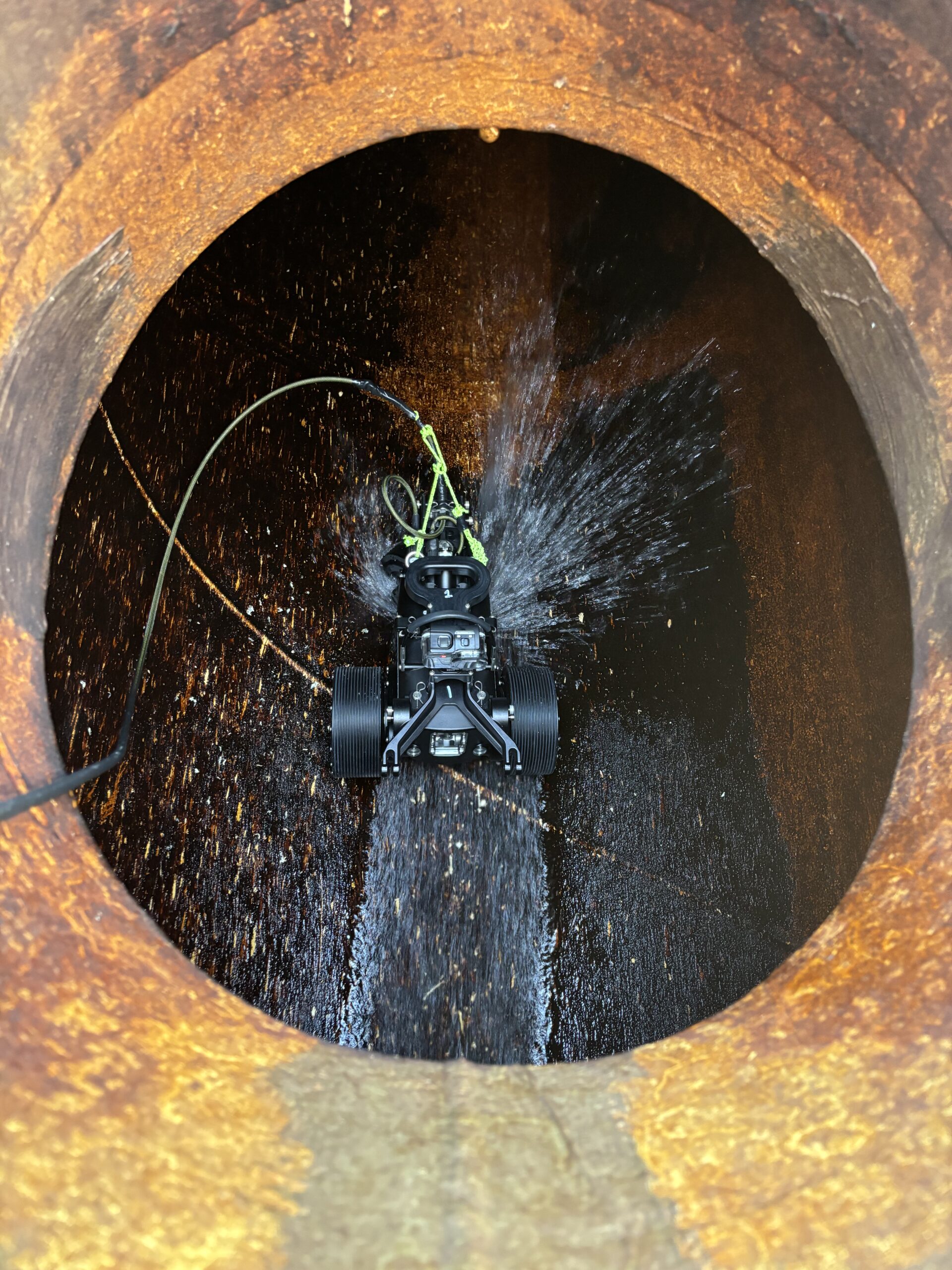
01↗Internal CCTV, distance tracking, PACP coding and condition records for sanitary sewers, storm drains, culverts and public drainage infrastructure.
 02↗
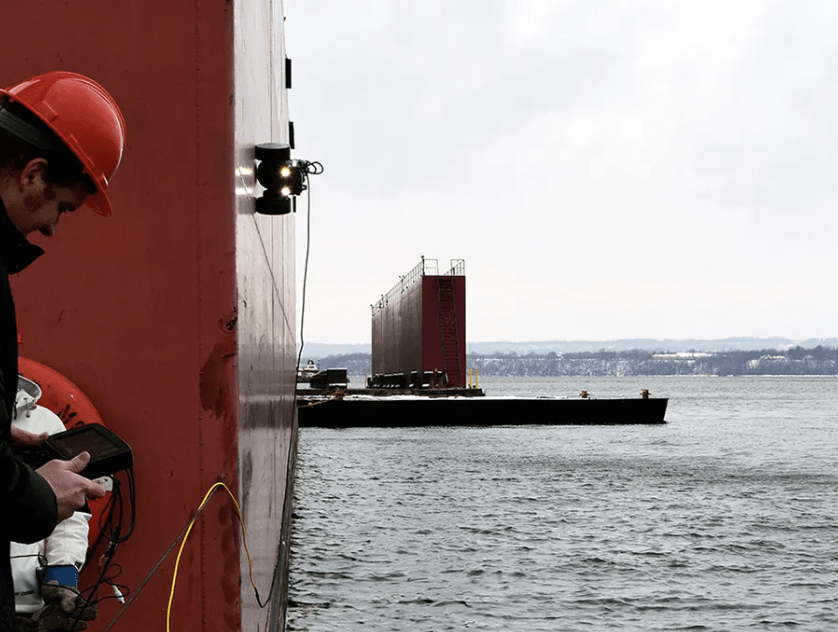
02↗Robotic visual review, suitable NDT integration and hazardous-area planning for process lines, refineries, plants, tanks and energy infrastructure.
 03↗
03↗Condition documentation for suitable water transmission, distribution, reservoir piping and access chambers with owner-specific cleaning and hygiene controls.
 04↗
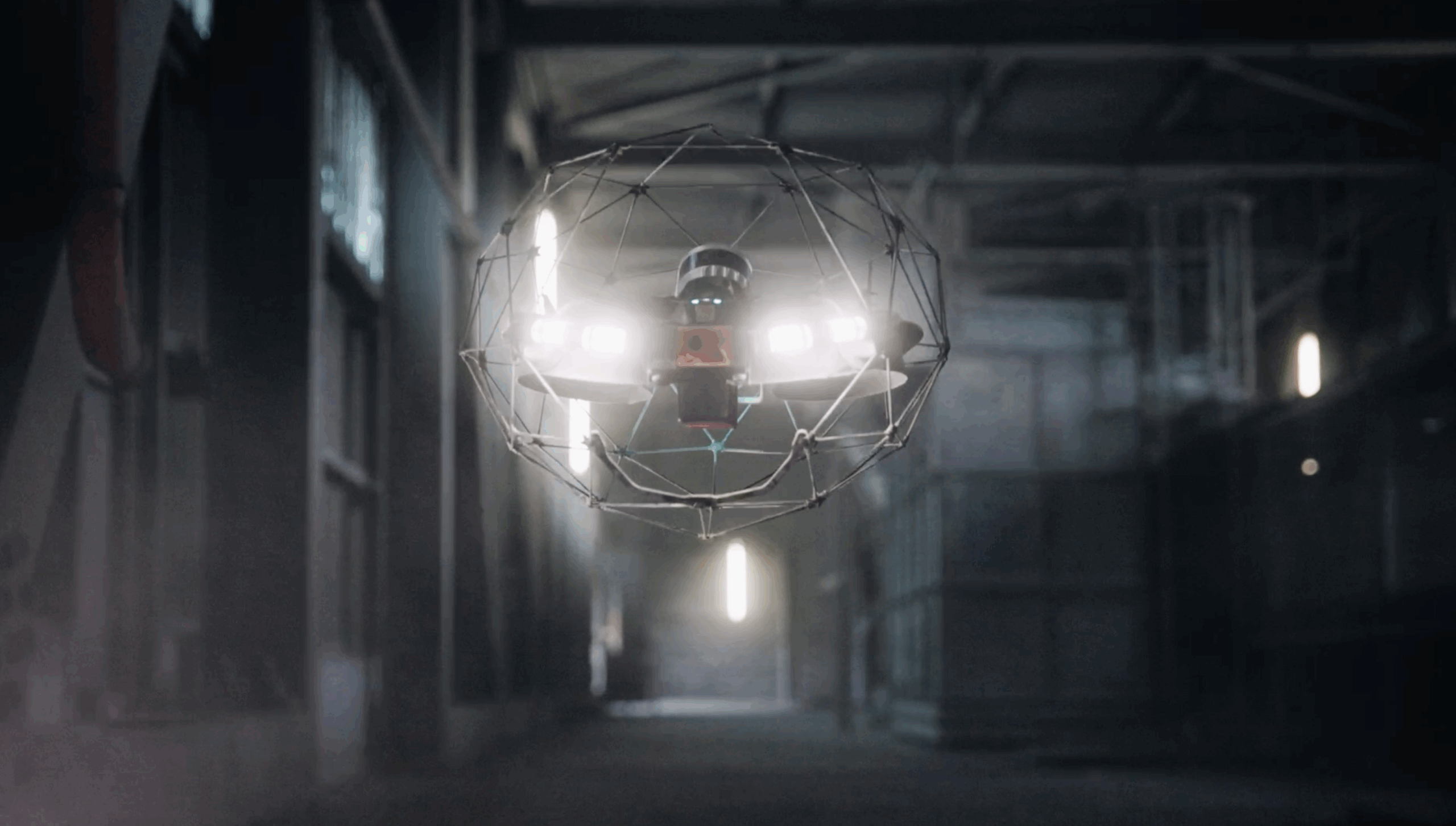
04↗Remote visual inspection, collision-tolerant drones and LiDAR mapping for suitable large pipes, culverts, chambers and restricted-access interiors.
 05↗
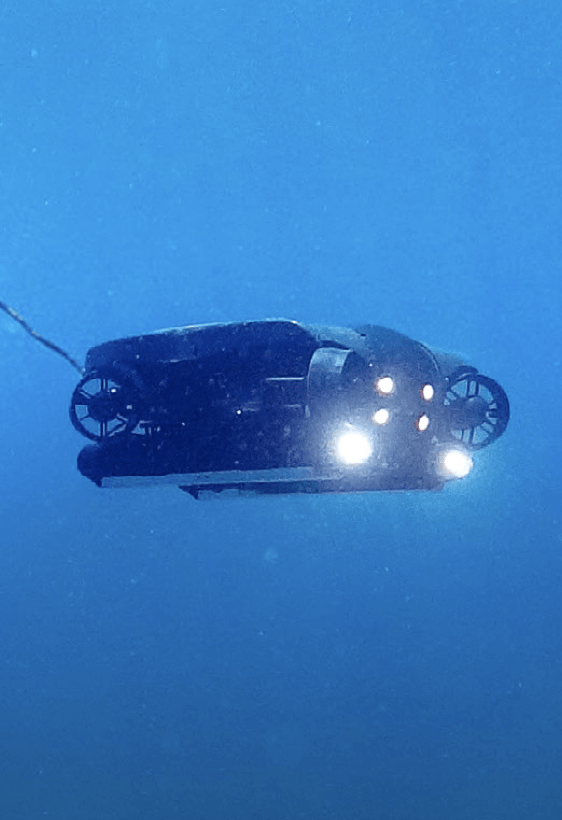
05↗ROV cameras and acoustic imaging support flooded conduits, intakes, outfalls, marine crossings and low-visibility pipe sections.
 06↗
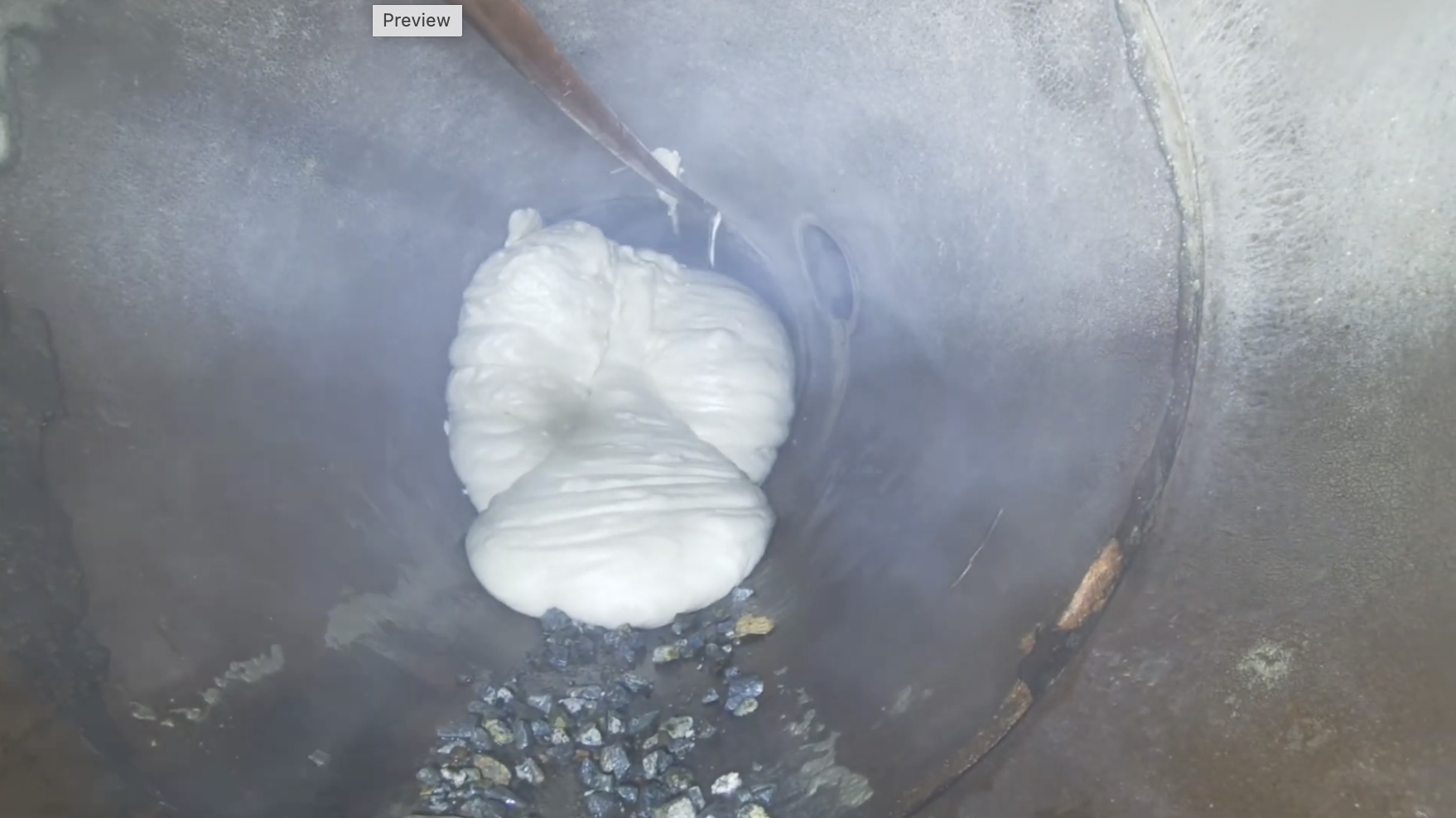
06↗Document baseline condition, verify cleaning or repair access, confirm completed work and create repeatable evidence for rehabilitation acceptance.
Robotic inspection intelligence
Vehicle stability, camera position, lighting, distance reference and live quality checks determine whether the final footage can support confident decisions.
Pipe Inspection equipment
Equipment is selected after reviewing diameter, bends, surface, debris, contents, access, range and the need for retrieval.
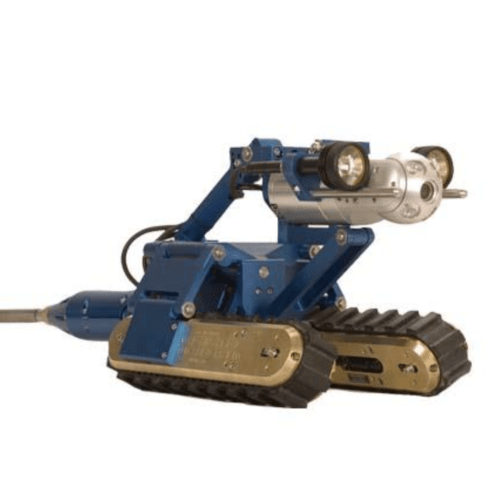
01A modular crawler system with powered reel, high-resolution camera, lighting, wheel and elevator options for centered inspection across a wide pipe-size range.
 02
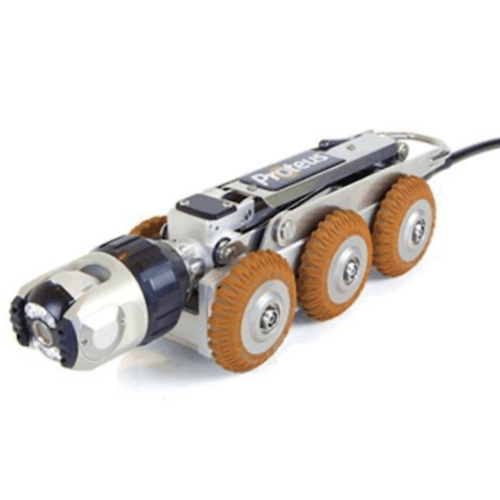
02A compact steerable crawler with track drive, camera lift, pan-and-tilt viewing and distance counter for small-to-medium pipe networks and remote deployment.
 03
03A robust six-wheel crawler with forward, rear and 360-degree pan-and-rotate camera capability for detailed visual inspection in harsh pipe environments.
 04
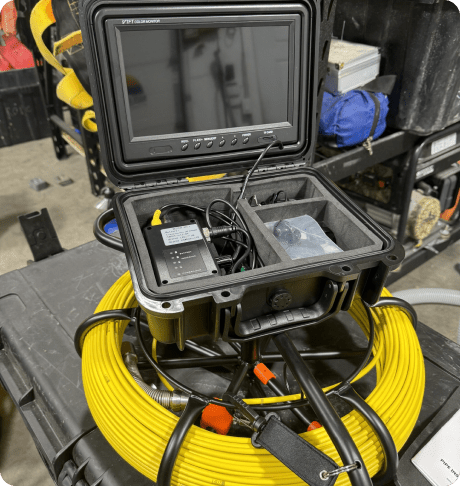
04Portable displays, tether management and recording systems support live review, distance reference, media capture and efficient deployment from constrained access points.
 05
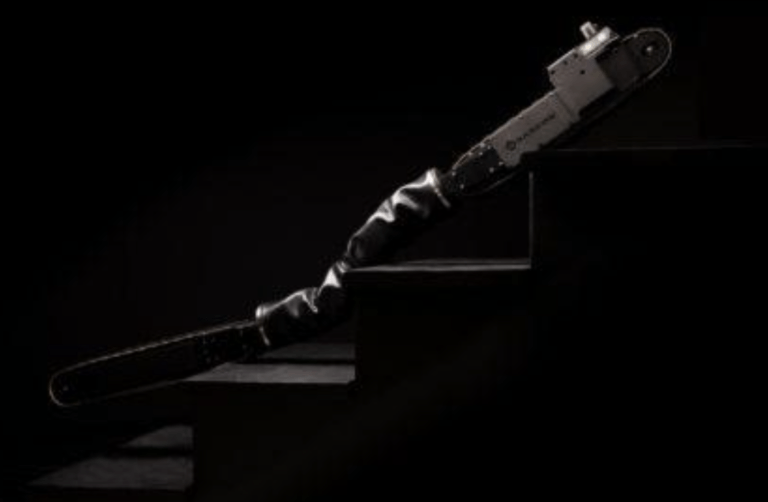
05A man-portable surveillance and inspection platform for selected boilers, headers, tanks, high-energy piping and other environments where remote observation reduces exposure.
Inspection deliverables
Pipe Inspection deliverables are organized for asset owners, engineers and maintenance teams—not only the field operator.
Standardized defect coding and structured records for applicable municipal pipeline assessment and asset-management programs.
High-resolution footage organized by asset, direction, distance and observation so reviewers can reach the relevant evidence quickly.
Clear representative frames with references, descriptions and locations for cracks, joints, deposits, roots, deformation or other observations.
Crawler distance, access point, survey direction and agreed spatial references connect findings to the physical pipe network.
Project-selected acoustic profiles, point clouds or 3D records support submerged, large-diameter or complex environments where video alone is insufficient.
A concise record of coverage, significant observations, limitations and areas requiring maintenance, rehabilitation or further investigation.
Agreed tables, coordinates, media links and spatial formats that can be integrated into engineering or municipal information systems.
Methods, equipment, access, findings, limitations, media references and recommended next actions consolidated into one project deliverable.
Pipe Inspection in operation
The original Ven-Tech Pipe Inspection video and the existing HSE video are retained together in one focused media section.
NASSCO PACP condition coding
Consistent coding helps infrastructure teams compare condition across assets and inspection cycles.
For applicable scopes, Ven-Tech provides PACP-compatible inspection and reporting. Survey direction, distance reference, asset identity, media, coding and required output format are confirmed before field work so the final record fits the owner’s maintenance or asset-management process.
Inspection workflow
Robotic Pipe Inspection still depends on isolation, access, atmosphere, retrieval, communications and a clearly defined handback boundary. The workflow connects these controls to data quality and final reporting.
Review Ven-Tech HSE ↗Confirm purpose, material, diameter, length, access, bends, slope, operating state, known condition and required inspection standard.
Verify pressure, flow, electrical and mechanical energy, product, contamination, valves, atmospheric conditions and return-to-service boundaries.
Select crawler, wheels or tracks, camera height, lighting, tether, sonar or LiDAR, retrieval plan and required recording configuration.
Monitor media quality, distance, vehicle status and required areas while the field team can still correct gaps or change the inspection approach.
Index footage, capture observations, apply PACP coding where included and retain uncertainty or limitations in the project record.
Deliver the agreed report and data package for cleaning, repair, rehabilitation, replacement, engineering or future condition comparison.
Qualified · controlled · documented
Each project confirms the system owner, status, energy sources, contents, hazards, confined-space considerations, retrieval method, equipment readiness, operating limits and client controls before deployment.
ATHENA OPERATIONAL SUPPORT
ATHENA supports scope intake, HSE planning, inspection media, observation tracking, quality review and organized client deliverables.
Explore ATHENA ↗Sectors we support
Ven-Tech Pipe Inspection supports organizations responsible for safe conveyance, containment, production continuity and long-term infrastructure planning.
Pipe Inspection FAQ
These answers provide a starting point. The final crawler, sensor, isolation plan, coding and deliverables are confirmed for the actual pipe.
A professional Pipe Inspection can include system and access review, robotic CCTV survey, distance tracking, live observations, defect imagery, PACP coding where specified, sonar or LiDAR data where suitable, limitations and a final report. The exact package is agreed before mobilization.
Ven-Tech has platforms suitable for a broad range of pipe sizes, but diameter is not the only requirement. Access opening, bends, reducers, slope, flow, water level, debris, tether distance, surface condition and retrieval options determine which crawler or remote system can be deployed.
The Pipeline Assessment Certification Program provides standardized terminology and coding for pipeline condition observations. PACP-compatible reporting helps municipalities and asset owners compare inspection findings and prioritize maintenance or rehabilitation using a consistent framework.
Yes, for suitable systems. An ROV, submerged crawler or sonar system can inspect flooded pipes. Imaging or pipe-profiling sonar can reveal geometry and obstructions when turbidity or darkness prevents effective CCTV inspection.
Often, remote crawlers or drones can collect the initial evidence without personnel entering the pipe or chamber. The asset still requires appropriate isolation, atmospheric assessment, access control and recovery planning, and any human entry remains subject to the applicable confined-space program.
Range depends on the selected system, tether, pipe geometry, surface condition, bends, access, power, communications and retrieval plan. Some Ven-Tech configurations support long-range inspections, but the practical distance is confirmed after reviewing the specific line.
Common triggers include baseline condition assessment, suspected blockage or leakage, capital planning, pre- and post-cleaning, pre- and post-rehabilitation, warranty or acceptance review, recurring maintenance and investigation after a failure or performance change.
Provide the pipe purpose, material, diameter, approximate length, access locations, drawings, operating condition, contents, known hazards, previous reports, required coding or measurements, schedule and desired deliverables. Photos of access points are especially helpful.
Start with the pipe
Send the pipe purpose, material, diameter, length, access, operating status, previous records, schedule and required deliverable. Ven-Tech will help define a practical inspection approach.