Dimensions, centre of gravity, fragility, packaging, attachment, aerodynamics, prohibited materials and required orientation all shape feasibility.
AERIAL LIFTING & TRANSPORT · CANADA
Aerial Lifting & Transport.
Move beyond the road.
Aerial Lifting & Transport for remote, elevated, marine and access-limited worksites—planned around the payload, flight volume, worksite controls and accountable delivery.
85 KGMaximum capability*
7 STAGESControlled mission delivery
CANADAProject mobilization
*Maximum capability only under suitable mission conditions. Final approved payload may be lower.
Heavy-lift UAS logistics
Move what matters.
Control every interface.
Aerial Lifting & Transport is useful when a direct flight path can solve a real logistics problem without transferring that difficulty into the air.
Ven-Tech supports industrial, municipal, construction, utility, marine and resource clients with planned aerial cargo movement. The team begins with the actual payload and decision: what must move, from where, to where, by when, in what orientation and with what delivery tolerance.
Feasibility depends on more than maximum lift capacity. Aircraft operating weight, cargo geometry, rigging, wind, temperature, elevation, terrain, obstacles, people, airspace, communications, emergency options and operating documentation all affect the approved mission load.
Ven-Tech combines aviation planning, site coordination, industrial field experience, project-specific HSE and traceable closeout. The aircraft model remains operational information; clients receive a responsibly configured mission and the documentation relevant to their project.
Payload-specific planningControlled work zonesDocumented delivery
Airspace, terrain, obstacles, people, property, emergency sites, communications and visual-line-of-sight requirements are assessed together.
Wind, gusts, temperature, precipitation, visibility, density altitude and local effects can change payload, route, timing or mission viability.
Pickup, delivery, exclusion areas, ground crew, rigging, release, communications, access and recovery are coordinated before launch.
Aerial Lifting & Transport capabilities
Built for real work.
Configured for the route.
Each capability is screened against the aircraft, payload, site, regulatory category, environmental limits and required proof of delivery.
 01↗
01↗Remote site delivery
Aerial Lifting & Transport can move tools, parts, sensors and packaged supplies between controlled pickup and delivery zones where roads, trails, steep terrain or seasonal access make ground logistics slow or impractical.
 02↗
02↗Elevated equipment placement
Position compatible equipment at towers, rooftops, platforms and other elevated or constrained locations when the route, work zone, rigging and final placement can be safely controlled.
 03↗
03↗Marine and coastal logistics
Support shorelines, islands, ports, vessels and waterside infrastructure with point-to-point cargo movement planned around wind, saltwater exposure, vessel activity, public access and recovery options.
 04↗
04↗Energy and utility support
Move suitable replacement parts, tooling and project materials for transmission, pipeline, hydro, telecom and renewable-energy work while coordinating with electrical hazards, rights-of-way and active operations.
 05↗
05↗Construction site logistics
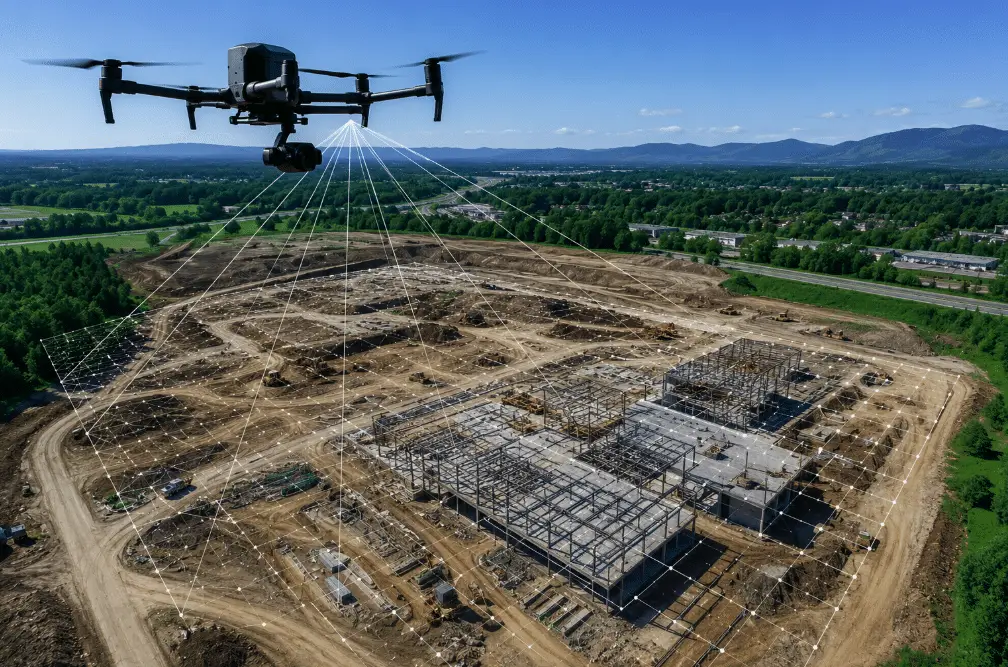
Deliver compatible tools and materials across large, changing or access-limited civil and industrial worksites. Repeat movements can be sequenced around crews, cranes, equipment, exclusion zones and the construction schedule.
 06↗
06↗Custom lifts and priority moves
Build a mission around unusual cargo, specialized rigging, urgent replacement parts, repeat lifts or challenging pickup and delivery areas. Every payload is reviewed before it is accepted for flight.
Mission feasibility before mobilization
A lift is a flight operation.
Not just a weight.
The strongest cargo plan starts with an honest mission screen.
A technically liftable object may still be unsuitable because of airspace, location, people, obstacles, line behaviour, weather, operating weight or emergency options. Ven-Tech checks the connected system before promising the movement and identifies what must change when the first concept is not workable.
- 01Actual cargo mass, geometry, contents and lift interface
- 02Operating volume, route, airspace and ground exposure
- 03Aircraft documentation, authorization and weather limits
- 04Pickup, placement, contingency and recovery controls
Seven-stage proven mission model
Scope. Survey.
Authorize. Deliver.
A connected process keeps the client, pilot, payload team, site representatives and final delivery evidence aligned.
Share the mission objective
Provide locations, payload weight and dimensions, required orientation, timing, site contacts, photographs, drawings and known operational constraints.
Complete an initial feasibility review
Review the payload, aircraft operating weight, route, airspace, population, terrain, obstacles, weather, access and likely regulatory category.
Verify the operating volume
Confirm pickup and delivery zones, ground hazards, wires, cranes, structures, nearby aviation activity, communications and emergency landing options.
Develop rigging and controls
Select approved cargo interface, line configuration, packaging, lift points, ground roles, exclusion distances, command words and contingency actions.
Confirm regulatory readiness
Verify aircraft eligibility, pilot and operator requirements, airspace authorization, site permission, manuals, notifications and any SFOC-RPAS needs.
Lift in controlled stages
Brief the team, inspect the system, confirm weather and zones, complete test or proof steps where required, then conduct the approved movement.
Document the completed mission
Record payload, route, times, conditions, personnel, checks, events, images and agreed proof of delivery for a reviewable project closeout.
Aerial cargo mission controls
The payload and route.
Designed as one system.
Aerial Lifting & Transport combines aviation, rigging, worksite and logistics controls within one mission-specific operating method.
Payload assessment
Verify actual mass, dimensions, centre of gravity, packaging, lift points, permitted contents, surface area and behaviour beneath the aircraft. Maximum published capacity is never treated as the approved mission load.
Rigging and cargo interface
Configure compatible lines, slings, connectors, retention, release and anti-rotation controls in accordance with the system manuals and project-specific lifting method.
Airspace and route planning
Review airspace, aerodromes, NOTAMs, local restrictions, obstacles, terrain, people, property, communications and emergency recovery before selecting the operating volume.
Pickup and delivery zones
Establish stable access, exclusion areas, ground-control roles, approach and departure paths, load handling, release method and final-placement tolerances at both ends.
Crew coordination
Define pilot-in-command, visual observers where used, payload and ground personnel, site representative, communications plan, stop-work authority and emergency responsibilities.
Mission-specific authorization
Operate within the applicable Canadian Aviation Regulations, aircraft documentation and permissions. Special operations are not assumed; required approvals are confirmed before scheduling execution.
Operational evidence
Plan before launch.
Close out after delivery.
Clients need more than a successful flight. Ven-Tech organizes the payload, route, approvals, crew, conditions, checks and completion evidence into a coherent mission record.
Defined hold points ensure the work does not move forward when cargo, weather, people, communications or site conditions fall outside the approved plan. Changes are reassessed rather than improvised into the operation.
Payload and rigging dataSite and route controlsPre-flight and mission logsProof of placement or delivery
Aerial Lifting & Transport deliverables
Ready for the field.
Reviewable afterward.
The agreed package connects mission feasibility, operational control, completed movement and remaining actions.
Feasibility summary
Initial determination of payload, site, route, operational category, authorization, schedule and information needed before a responsible commitment.
Payload data sheet
Recorded weight, dimensions, centre of gravity, contents, packaging, orientation, lift points, rigging interface and handling limitations.
Site and route assessment
Pickup and delivery zones, airspace, obstacles, terrain, people, property, environmental conditions, communications and emergency locations.
Mission and lift plan
Flight volume, sequence, crew roles, command language, payload method, exclusion zones, weather limits, checks, contingencies and stop criteria.
Authorization record
Applicable pilot, operator, aircraft, airspace, site and special-operation documentation assembled for the approved mission category.
Pre-flight and rigging checks
Aircraft, batteries, command link, payload interface, lines, connectors, release system, packaging, tools and work zones verified before launch.
Operational log
Personnel, payload, times, route, conditions, checks, communications, events, changes and completion status captured during field execution.
Mission closeout
Indexed photographs or video where agreed, proof of placement or delivery, exceptions, limitations and recommendations for repeat or follow-on movements.
Sectors and environments
One capability.
Many applications.
Ven-Tech mobilizes aerial cargo and industrial UAS capability for challenging projects across Western and Northern Canada, with broader deployment based on mission needs.
DIRECT ROUTELess ground handling.
More operational reach.
More operational reach.
Use aerial cargo where it creates a measurable project advantage—not simply because flight is possible.
01Municipal infrastructure and utilities↗
02Construction and civil projects↗
03Energy, pipelines and transmission↗
04Marine, ports and coastal works↗
05Telecommunications and elevated assets↗
06Mining and resource operations↗
07Forestry and environmental programs↗
08Remote and emergency logistics↗
About Ven-Tech
Meet the people.
See the capability.
Learn about the industrial field experience, robotics, aviation technology and operating discipline behind Ven-Tech’s complex project work.
About Ven-Tech Subsea Inspections
A detailed look at Ven-Tech’s people, planning culture and integrated field capability across Canada.
Canadian RPAS compliance and HSE
Mission-ready.
Rule-ready.
Aerial Lifting & Transport operates within the Canadian Aviation Regulations, the applicable aircraft documentation and mission-specific permissions. Current rules require line-attached payload operations to follow the operating manuals applicable to the system unless an SFOC-RPAS authorizes otherwise. The operating category is confirmed from the aircraft, total operating weight, location, flight profile and payload—not assumed from the service name.
Ven-Tech also connects aviation controls with worksite HSE: client authority, site access, ground hazards, exclusion zones, lifting and rigging, communication, environmental conditions, emergency response and stop-work authority.
Canadian Aviation RegulationsAircraft operating documentationMission-specific authorizationSite and airspace reviewBCCSA COR® CertifiedISNetworld Member ContractorAvetta ApprovedAlcumus SafeContractorProject-specific HSETraceable mission records
Aerial Lifting & Transport FAQ
Payload questions.
Responsible answers.
These answers explain what determines feasibility, payload, authorization and mission timing.
What is Aerial Lifting & Transport?+
Aerial Lifting & Transport uses a remotely piloted aircraft system to move a compatible external or carried payload between controlled locations. It can support remote delivery, elevated placement, construction logistics, marine work, utilities and priority parts where a project-specific aerial route offers a practical advantage.
How much weight can Ven-Tech move?+
Ven-Tech has payload capability up to 85 kg under suitable conditions. That figure is not an automatic mission allowance. Actual approved payload depends on the aircraft operating configuration, total operating weight, cargo geometry, rigging, elevation, temperature, wind, route, site, regulations and safety margin. The mission assessment establishes the permitted load.
Why is the aircraft model not listed?+
Clients are purchasing a safe logistics outcome rather than a specific aircraft model. Ven-Tech selects and configures the platform, payload interface, crew and operating method for the approved mission. Relevant aircraft and authorization details are included in operational documentation where required.
What cargo can be carried on a line?+
Cargo must be compatible with the aircraft, approved operating documentation and applicable regulations. Weight, dimensions, centre of gravity, packaging, lift points, aerodynamic behaviour, line configuration, contents and release method are reviewed. Dangerous, hazardous, prohibited or poorly controlled payloads are not assumed acceptable.
Does every aerial cargo mission require an SFOC-RPAS?+
No. The required category depends on the aircraft, operating weight, flight profile, airspace, location, population, payload and proposed method. Canadian rules permit line-attached payloads when the operation follows the applicable system operating manuals; operations outside normal rules may require an SFOC-RPAS. Ven-Tech confirms the applicable pathway before flight.
Can Aerial Lifting & Transport replace a helicopter or crane?+
Sometimes it can provide a smaller-footprint alternative for suitable payloads and routes; sometimes a helicopter, crane, ground vehicle or mixed method remains more appropriate. Ven-Tech screens the actual job and recommends aerial cargo only when the operating envelope and project benefit are credible.
What weather limits apply?+
The aircraft manuals and mission plan establish limits, while local wind, gusts, precipitation, visibility, temperature, density altitude and terrain effects determine whether the work can proceed. Payload operations normally require conservative conditions, defined stop criteria and schedule flexibility.
What information is needed for a quote?+
Send pickup and delivery coordinates, payload weight and dimensions, photographs, contents, packaging, lift points, required orientation, placement tolerance, preferred schedule, site access, nearby people or operations, known wires or obstacles and the required proof of delivery. Ven-Tech will identify remaining information and authorization needs.
Bring us the payload and the difficult route
Move what matters.
Reach beyond the road.
Send the pickup and delivery points, cargo weight and dimensions, photographs, schedule and known worksite constraints. Ven-Tech will complete an initial Aerial Lifting & Transport assessment and define the next responsible step.