Use remote systems for suitable initial inspection, cleaning and measurement work before selecting any personnel-entry method.
ROBOTIC RESERVOIR SERVICES · CANADA
Robotic reservoir services.
Inspect remotely. Decide clearly.
Canada-wide Robotic Reservoir Services for potable, fire-water and industrial reservoirs—using sanitary ROV inspection, robotic sediment removal, sonar, magnetic crawlers, NDT tooling and decision-ready reporting.
FEATURED / ROBOTIC RESERVOIR FILMROV & Reservoir Cleaning
ROVRemote inspection
VACSediment removal
SONARLow-visibility support
CANADANationwide capability
Remote access for critical water storage
Keep people outside.
Put the sensor inside.
Robotic Reservoir Services bring cameras, cleaning tools and project-specific sensors to the asset while reducing unnecessary personnel entry.
Ven-Tech supports municipal utilities, First Nations, health authorities, fire-protection systems, industrial facilities and engineering teams across Canada. The method begins with reservoir construction, water use, access, operating status, previous records, known concerns and the decision the inspection must support.
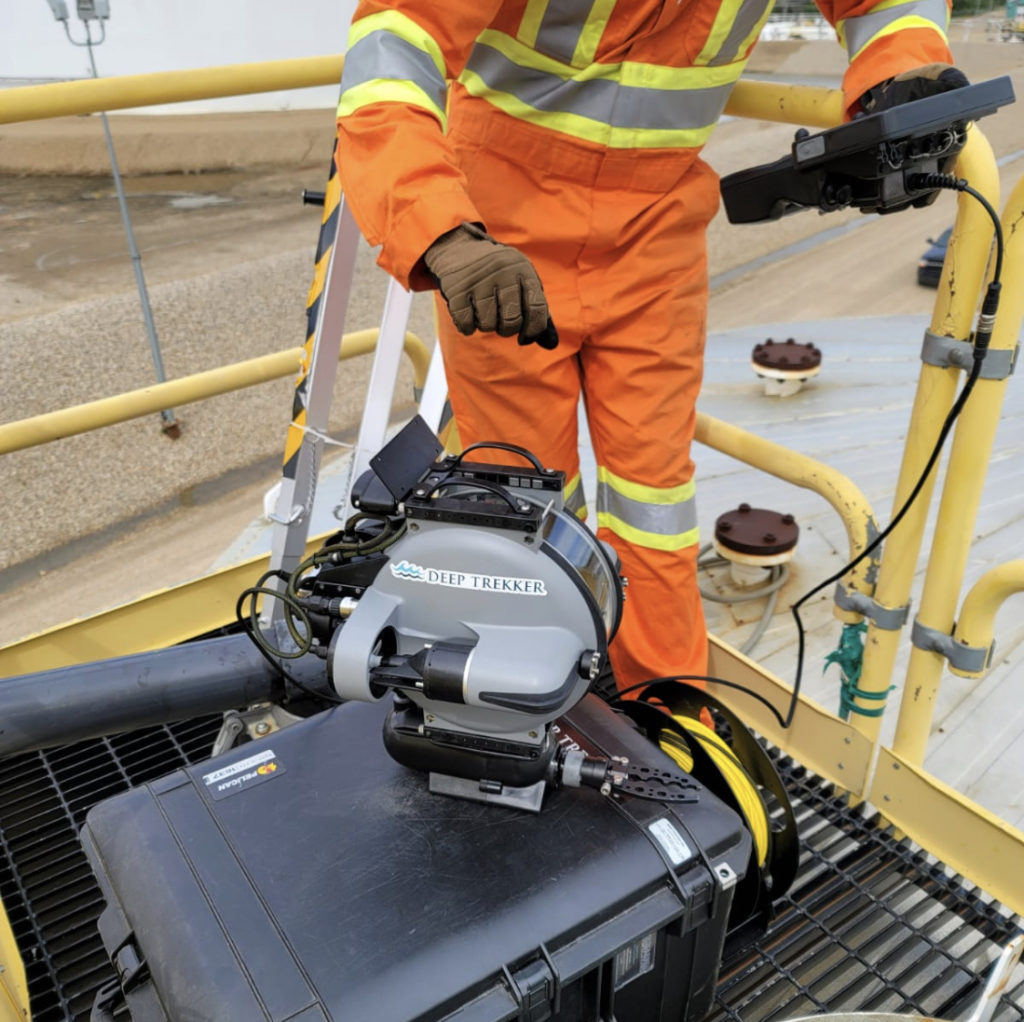
Where the assessment and owner requirements allow, a potable-water prepared ROV or utility crawler can work while the reservoir remains full. This may reduce treated-water loss, dewatering, service interruption and personnel exposure while providing live internal imagery and organized condition evidence.
Robotic Reservoir Services are not a one-vehicle promise. Vehicle size, movement method, tether, camera, lighting, sonar, vacuum system, tooling, NDT payload and retrieval plan are configured around the reservoir. When direct touch, repair or dexterity is required, Ven-Tech can coordinate robotic reconnaissance with Diver Reservoir Services.
Sanitary robotic proceduresRemote inspection and cleaningEngineering-ready evidence
Where conditions permit, preserve storage and service while internal robotic work is completed.
Configure cameras, sonar, vacuum heads, magnetic traction and NDT tools around the required result.
Connect video, images, readings, cleaning coverage and limitations to maintenance and engineering decisions.
Robotic Reservoir Services capabilities
One asset.
Multiple robotic methods.
For Robotic Reservoir Services, every platform and payload is selected around access, material, water condition, cleaning needs, inspection resolution and the deliverable required by the owner.
 01
01Potable-grade ROV inspection
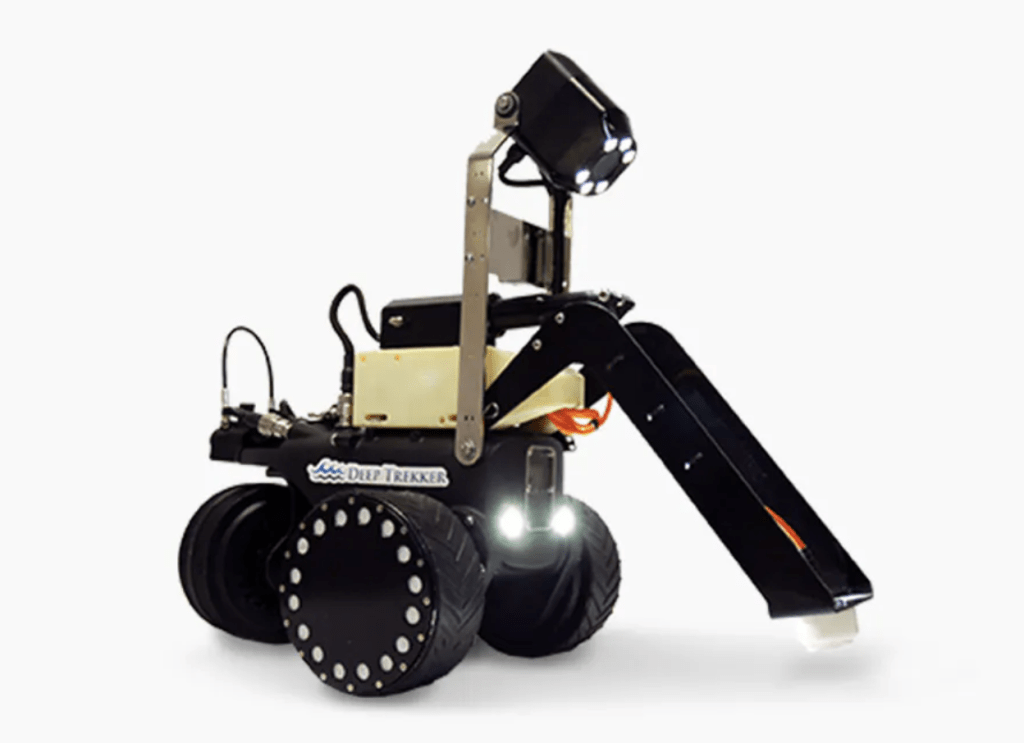
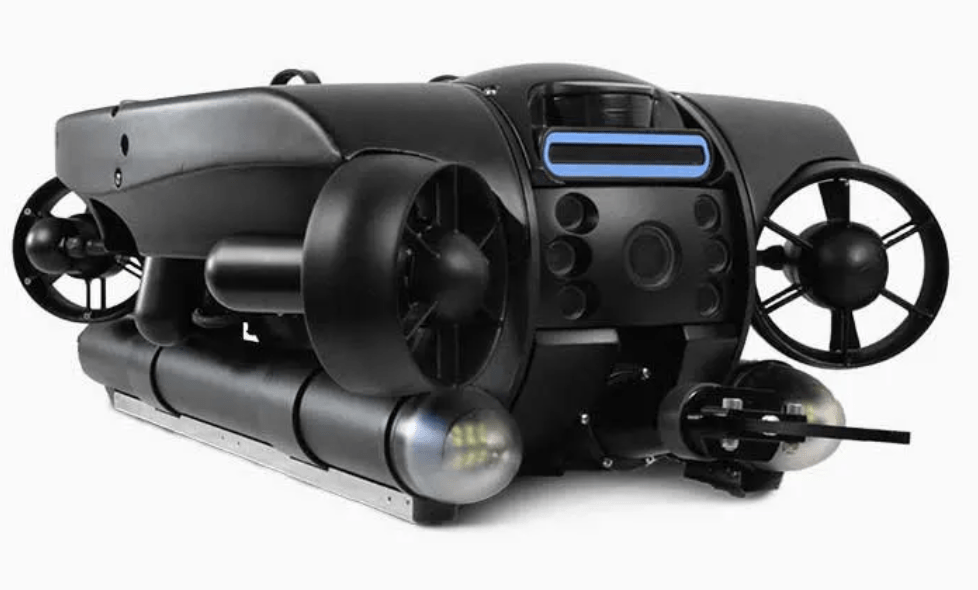
Robotic Reservoir Services use compact remotely operated vehicles prepared under a documented sanitary procedure to capture HD video of accessible roofs, walls, floors, columns, baffles, ladders, penetrations, inlets and outlets.
 02
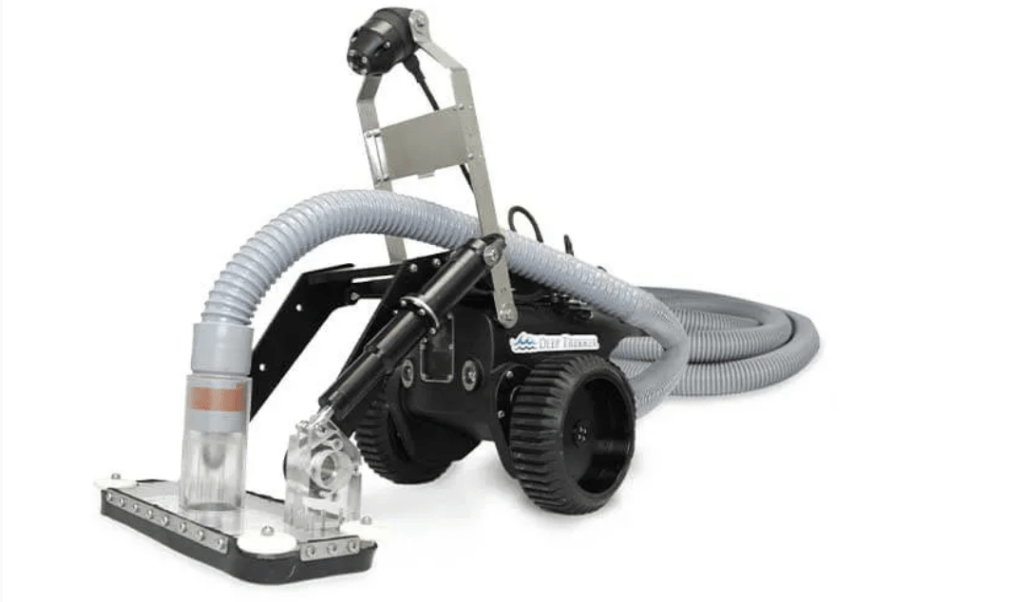
02Robotic vacuum cleaning
A purpose-configured utility crawler concentrates suction at the floor and moves sediment toward a controlled recovery system outside the tank. Camera feedback lets the operator verify the cleaning path and document areas completed.
 03
03Magnetic crawler inspection
On suitable ferrous tanks, magnetic platforms can maintain contact with vertical or overhead steel surfaces to carry cameras, cleaning tools or project-specific probes where a free-swimming ROV cannot remain stable.
 04
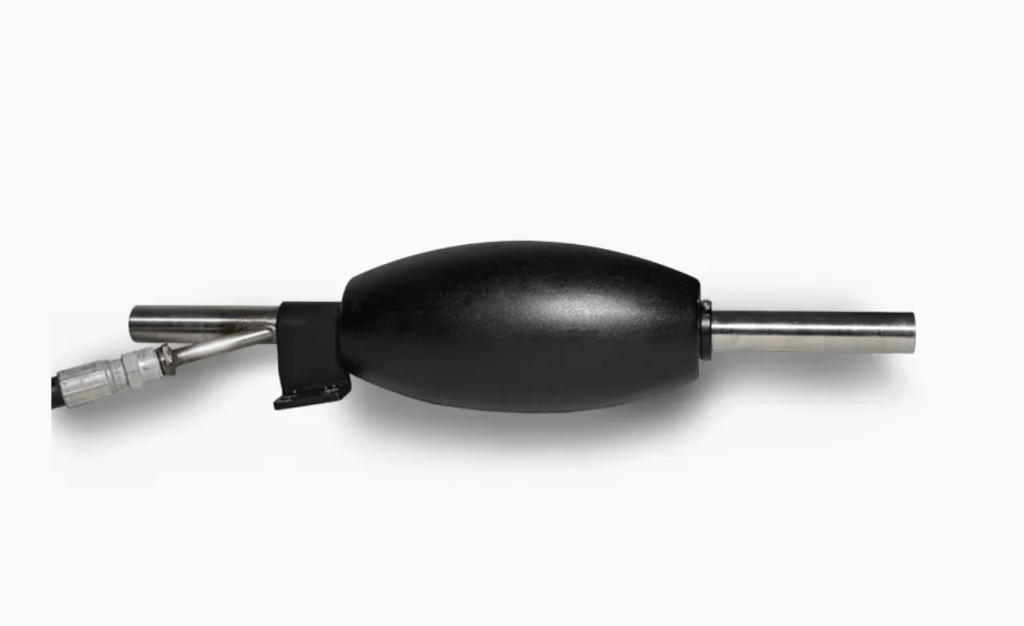
04Remote cleaning & tooling
Project-specific robotic tooling can include a plow, brush, water jet, cavitation cleaning head or manipulator. The selected method is reviewed against coating condition, tank material, water use and required result.
 05
05NDT & dimensional support
Where access, surface condition and material permit, a robotic platform can carry ultrasonic thickness, laser references, cathodic-potential or other sensors to support corrosion, coating and condition assessment.
 06
06Multibeam sonar & low visibility
Imaging sonar supports navigation, geometry awareness and target verification when turbidity or darkness limits optical imagery. Sonar is used with—not represented as a replacement for—the agreed inspection resolution and engineering review.
Standards-led execution
AWWA and NFPA.
Applied to the asset.
For Robotic Reservoir Services, standards are operating frameworks—not decorative badges. Ven-Tech connects sanitary controls, inspection coverage and reporting to the current applicable edition, owner requirements and governing authority.
Potable water storage
AWWA C652
AWWA C652 addresses disinfection of water-storage facilities and includes procedures relevant to underwater inspection or cleaning. Ven-Tech builds the sanitary plan around the actual facility and agreed robotic scope.
- Equipment segregation, cleaning and disinfection
- Contamination-prevention and access controls
- Project-specific chlorine and turbidity checks
- Defined robotic route and recovery provisions
- Inspection media and sanitary records
Fire-water storage
NFPA 25
NFPA 25 addresses inspection, testing and maintenance of water-based fire-protection systems, including water-storage tanks. Robotic inspection can support an owner’s internal-condition evidence where the method meets the required scope.
- Internal surfaces and visible corrosion
- Ladders, braces, inlets, outlets and screens
- Sediment around suction components
- Project-specific UT and coating observations
- Evidence organized for compliance review
Service continuity where conditions allow
Inspect the reservoir.
Protect the service.
Robotic Reservoir Services can reduce or avoid draining and lengthy shutdowns on suitable assets. The final approach depends on water use, access, sanitary requirements, system condition, visibility, geometry and the work itself.
- 01 Review the asset and operating requirements
- 02 Select the ROV, crawler, tooling and recovery plan
- 03 Establish sanitary, access and HSE controls
- 04 Verify coverage, data quality and deliverables
Component-level robotic coverage
Inspect the route.
Not random snapshots.
Robotic Reservoir Services follow an agreed route so accessible components and known priority locations are addressed systematically and gaps are identified before demobilization.
Roof, walls & floor
Accessible cracking, staining, corrosion, coating condition, deposits, debris and other visible surface anomalies.
Columns, braces & baffles
Condition, alignment, connections, fouling, coating loss and visible deterioration of internal structural components.
Ladders & access systems
Visible condition of ladders, hatches, platforms, fall-protection interfaces and submerged access components.
Inlets, outlets & overflows
Obstructions, sediment proximity, visible damage, seals, screens, diffusers and connected internal components.
Joints, seams & penetrations
Visible leakage indicators, seal condition, corrosion, gaps, displacement and locations requiring engineering review.
Sediment & debris
Distribution, approximate depth where included, material observations, intake risk and areas prioritized for removal.
Coatings & steel surfaces
Blistering, delamination, exposed substrate and corrosion indicators, supported by robotic NDT where specified.
Previous repairs & findings
Follow-up review of documented defects, repairs, patches and priority locations identified in earlier records.
Ven-Tech company and reservoir films
Meet the team.
Watch the work.
The About Ven-Tech film introduces the integrated team behind Robotic Reservoir Services. The field film shows inspection and cleaning activity in critical water storage.
01 / ABOUT VEN-TECH
Meet the team behind the technology
Commercial diving experience, robotic systems, field environments and the operating philosophy supporting difficult infrastructure projects.
02 / RESERVOIR FIELD WORK
Inspection and cleaning in operation
See how Ven-Tech organizes access, reservoir coverage, cleaning and field documentation around critical water infrastructure.
Six-stage robotic workflow
Before deployment.
Through final report.
A controlled Robotic Reservoir Services workflow keeps the owner, operator, field lead and reporting team aligned from planning through closeout.
Understand the reservoir
Confirm construction, dimensions, access, water use, operating status, drawings, previous reports, known concerns and the decision the work must support.
Configure the robotic system
Match vehicle size, traction, buoyancy, tether, camera, lighting, sonar, cleaning head, NDT payload and recovery provisions to the actual reservoir.
Prepare the sanitary work package
Define equipment cleaning and disinfection, handling, access, isolation, water-quality checks, contamination prevention, HSE controls and owner hold points.
Complete pre-deployment checks
Confirm vehicle function, media recording, tether and retrieval, tooling, pump or vacuum route, water conditions, communications and owner authorization.
Inspect, clean and quality-check live
Follow the approved route while the operator and field lead review imagery, cleaning coverage, readings, limitations and any priority observations.
Issue decision-ready results
Provide the agreed video, photographs, cleaning record, measurements, water-quality information, findings, limitations and prioritized recommendations.
Robotic inspection deliverables
See it. Record it.
Use it.
Robotic Reservoir Services are valuable when the field evidence becomes a structured record that operators, engineers and compliance teams can use.
Indexed HD inspection media
Organized internal footage referenced to reservoir components, inspection routes, cleaning areas and notable observations.
Annotated photographs
Clear still images identifying asset condition, sediment, completed work and maintenance or engineering priorities.
Component observation register
A structured record of accessible components, visible findings, locations, limitations and follow-up requirements.
Sonar, NDT & measurements
Project-specific acoustic records, UT readings, sediment observations or dimensional references supplied in an agreed format.
Robotic cleaning record
Completed areas, method, recovered material observations, access restrictions and any remaining adhered or inaccessible deposits.
Final report & recommendations
A concise package connecting robotic evidence to maintenance, repair, engineering assessment, cleaning frequency or future monitoring.
Health, safety & sanitary control
Control the system.
Protect the water.
Robotic Reservoir Services combine critical-water protection, electrical and mechanical equipment, tether management, access, recovery and active-facility interfaces. Ven-Tech connects those risks through written planning and field verification.
Project-specific controlsEquipment preparation, energy control, access, retrieval, water quality, contamination prevention and owner procedures are verified for the actual facility.
Review Ven-Tech HSE ↗BCCSA COR® program ↗Sanitary equipment preparation
Documented cleaning, disinfection, segregation, transport, handling and pre-deployment verification.
Safe access & recovery
Hatch, roof, edge, lifting, electrical, tether, vehicle-retrieval and emergency arrangements.
Water-quality protection
Owner requirements, contamination prevention and agreed chlorine, turbidity or other checks.
Live quality control
Route tracking, media review, cleaning verification, readings, limitations and stop-work criteria.
Contractor assurance
Qualified systems.
Accountable execution.
Ven-Tech’s Robotic Reservoir Services capability is supported by a COR®-certified safety-management system, contractor qualification programs, specialized operators and documented potable-water procedures.
BCCSA COR® CertifiedISNetworld Member ContractorISNetworld ESG BadgeAvetta ApprovedCognibox CertifiedAlcumus SafeContractorDocumented potable-water proceduresAWWA C652 project alignmentNFPA 25 fire-water supportProvincial OHS/WCB requirementsProject-specific risk registersATHENA™ operational framework
Organizations across Canada
Water assets that
cannot be ignored.
Robotic Reservoir Services support organizations responsible for drinking-water quality, industrial continuity and fire-protection storage.
01Municipal utilities & public works↗
02First Nations & remote communities↗
03Health authorities & institutions↗
04Fire-protection and sprinkler systems↗
05Oil, gas & energy facilities↗
06Mining & resource operations↗
07Engineering & environmental consultants↗
08Industrial & manufacturing facilities↗
Robotic Reservoir Services FAQ
Questions before
the robot enters.
Send the reservoir information and required outcome. Ven-Tech will help determine whether remote inspection, robotic cleaning, a diver or a combined method is appropriate.
Can Robotic Reservoir Services be completed without draining the tank?+
Many Robotic Reservoir Services projects can be planned while a reservoir remains full, which may reduce shutdown, treated-water loss and loss of storage capacity. Suitability depends on water use, access, isolation, sanitary procedures, owner requirements, water condition, tooling and the work itself. Ven-Tech confirms the method for the actual facility.
What reservoir types can robotic systems inspect?+
Ven-Tech can assess suitable concrete reservoirs, clearwells, standpipes, elevated tanks, steel fire-water tanks, process-water storage and other municipal or industrial water assets. Construction, contents, hatch dimensions, vertical access, internal geometry, water condition, coatings and operating status are reviewed before a vehicle is selected.
How is robotic equipment prepared for potable water?+
The project sanitary plan defines equipment segregation, cleaning, disinfection, handling, entry controls, contamination prevention and records appropriate to the current standard, facility and owner requirements. Robotic Reservoir Services should never rely on a generic cleaning statement without confirming equipment history and site procedures.
Can a robot clean sediment from a reservoir?+
Yes, where geometry, access and sediment condition suit the equipment. A robotic vacuum crawler can direct material to an external pump and recovery route while the camera verifies coverage. Fixed internals, adhered material, hose management, slopes and access restrictions can affect the recoverable area, so completed coverage and limitations are documented.
Can robots inspect steel thickness and coatings?+
On suitable surfaces, a magnetic crawler or stable robotic platform may carry an ultrasonic thickness probe, camera, lighting, laser reference or other project-specific tool. Surface condition, coatings, geometry, calibration, coupling and required accuracy determine whether the reading method is appropriate and how results should be interpreted.
How do AWWA C652 and NFPA 25 apply?+
AWWA C652 addresses disinfection of water-storage facilities and includes procedures relevant to underwater inspection or cleaning of potable-water storage. NFPA 25 addresses inspection, testing and maintenance of water-based fire-protection systems, including water-storage tanks. The applicable edition, owner, authority and facility determine project obligations.
What is included in a robotic reservoir report?+
A Robotic Reservoir Services package can include indexed HD video, annotated photographs, a component observation register, cleaning coverage, sonar records, accessible NDT readings, water-quality checks, limitations and prioritized recommendations. Deliverables and file formats are agreed before mobilization.
What information is needed for a proposal?+
Provide the location, reservoir construction and dimensions, hatch size and height, water use, operating status, drawings, previous reports, recent water information, known concerns, desired inspection or cleaning outcome, schedule and site contact. Hatch, roof and internal-reference photographs are particularly useful for robotic access planning.
Canada-wide Robotic Reservoir Services
Protect the water.
Plan the deployment.
Send the facility location, reservoir construction and dimensions, hatch details, water use, operating status, known concerns and required deliverable. Ven-Tech will provide a practical first review for Robotic Reservoir Services.