Verify ferromagnetic material, curvature, coating, scale, weld transitions, gaps, edges and the actual surface profile before relying on magnetic adhesion.
ROBOTIC STEEL-SURFACE INSPECTION · CANADA
Magnetic Utility Crawler Services.
Hold to the steel. Bring back evidence.
Magnetic Utility Crawler Services for suitable tanks, pipelines, hulls and industrial structures—combining remote CCTV, configured measurements, cleaning tools and reviewable inspection records.
MAGNETICSteel-surface traction
REMOTEReduced exposure
MEASUREDTraceable evidence
Remote access. Responsible limits.
Use magnetic traction
where it earns its place.
A crawler is valuable when it can stay attached, navigate the complete route, carry the required payload and return with evidence that supports the project decision.
Ven-Tech’s Magnetic Utility Crawler Services bring robotic platform selection, surface assessment, field controls and inspection documentation into one coordinated scope. On suitable ferromagnetic steel, the system can support visual inspection and configured measurements across vertical, horizontal, inverted or submerged surfaces without automatically placing a person at the inspection face.
Magnetic adhesion is not a universal guarantee. Coating thickness, corrosion scale, marine growth, curvature, welds, seams, edges, debris, orientation, payload reaction, water movement and tether load can change usable traction. Ven-Tech reviews the actual asset and proves the working configuration before relying on it in production.
Surface suitability firstRecoverable route throughoutEvidence tied to location
Define pressure, flow, electrical, mechanical, hydraulic, chemical and process isolation with the owner before equipment reaches the asset.
Evaluate orientation, payload reaction, cleaning forces, water or current, tether load, debris and the route back to the recovery point.
Agree the visual coverage, measurement grid, references, media quality, calibration, reporting and decision authority before field execution.
Inspection and intervention capability
Magnetic Utility Crawler Services.
Configured for the asset.
Every payload, route and deliverable is selected around surface condition, project risk and the decision the data must support.
 01↗
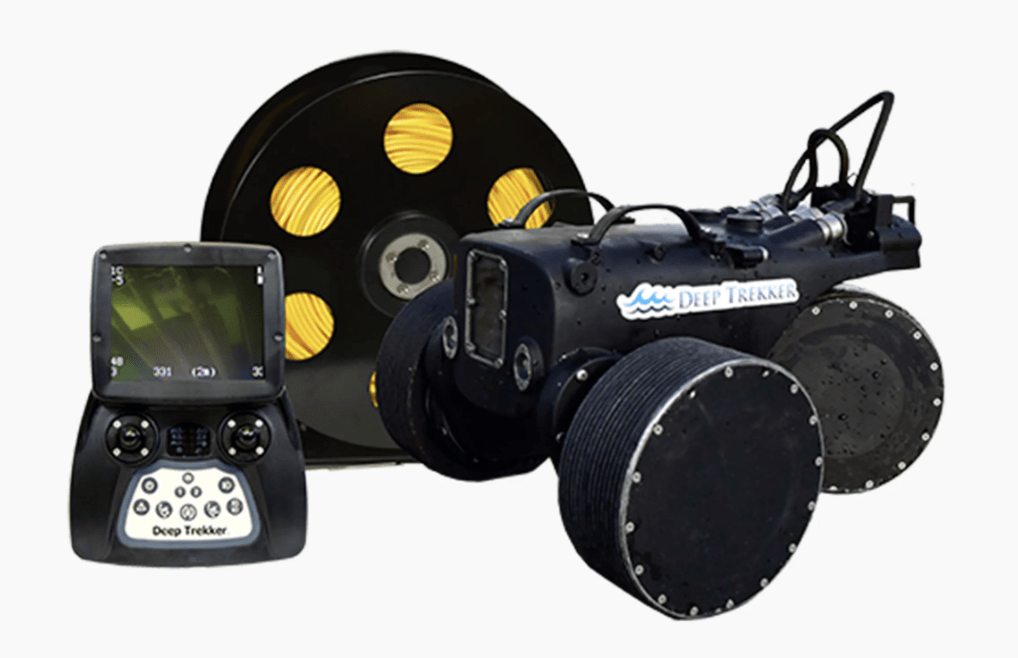
01↗Live CCTV inspection
Pan-and-tilt viewing, controlled lighting and live operator feedback support repeatable visual inspection of accessible steel tanks, hulls, shafts, pipes and structural surfaces. Indexed video and stills connect observations to route, orientation and project references.
 02↗
02↗Ultrasonic thickness data
A compatible UT payload can collect thickness readings or an agreed grid after the surface, calibration, couplant and contact conditions are confirmed. Results are reported with locations, assumptions and limitations for qualified integrity review.
 03↗
03↗Corrosion and CP data capture
Visual corrosion observations and project-configured cathodic-protection potential readings can support an asset integrity program. Ven-Tech records the measurement conditions; corrosion specialists or the owner’s engineer retain interpretation and acceptance authority.
 04↗
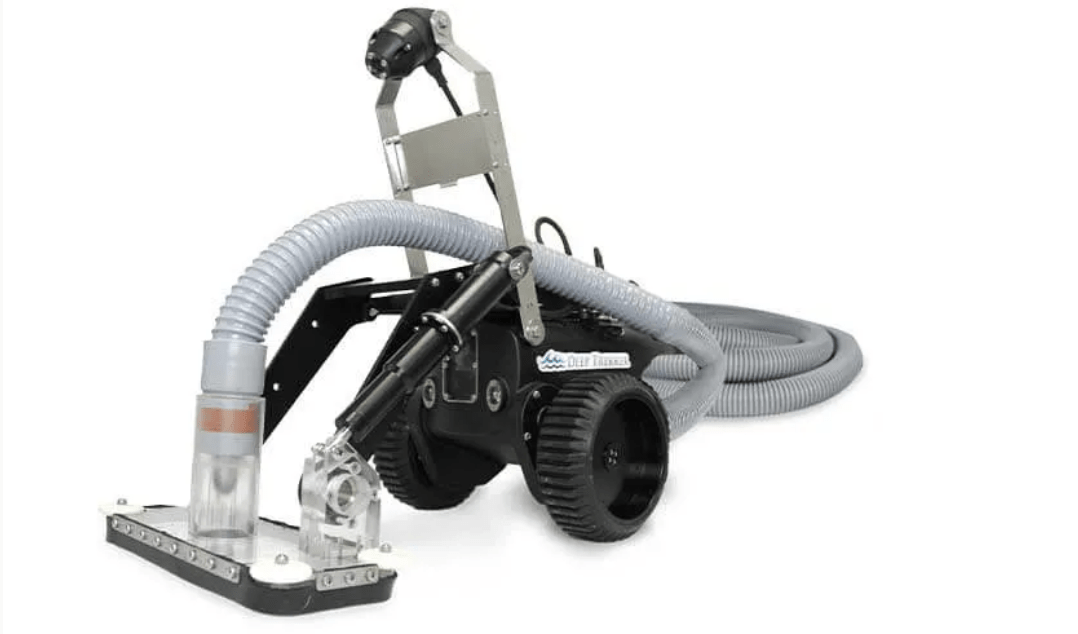
04↗Cleaning and surface preparation
Where traction, containment and recovery permit, a pressure-washing, brushing, vacuum or sediment-removal attachment can expose a defined inspection area, improve camera visibility or prepare a contact point for measurement.
 05↗
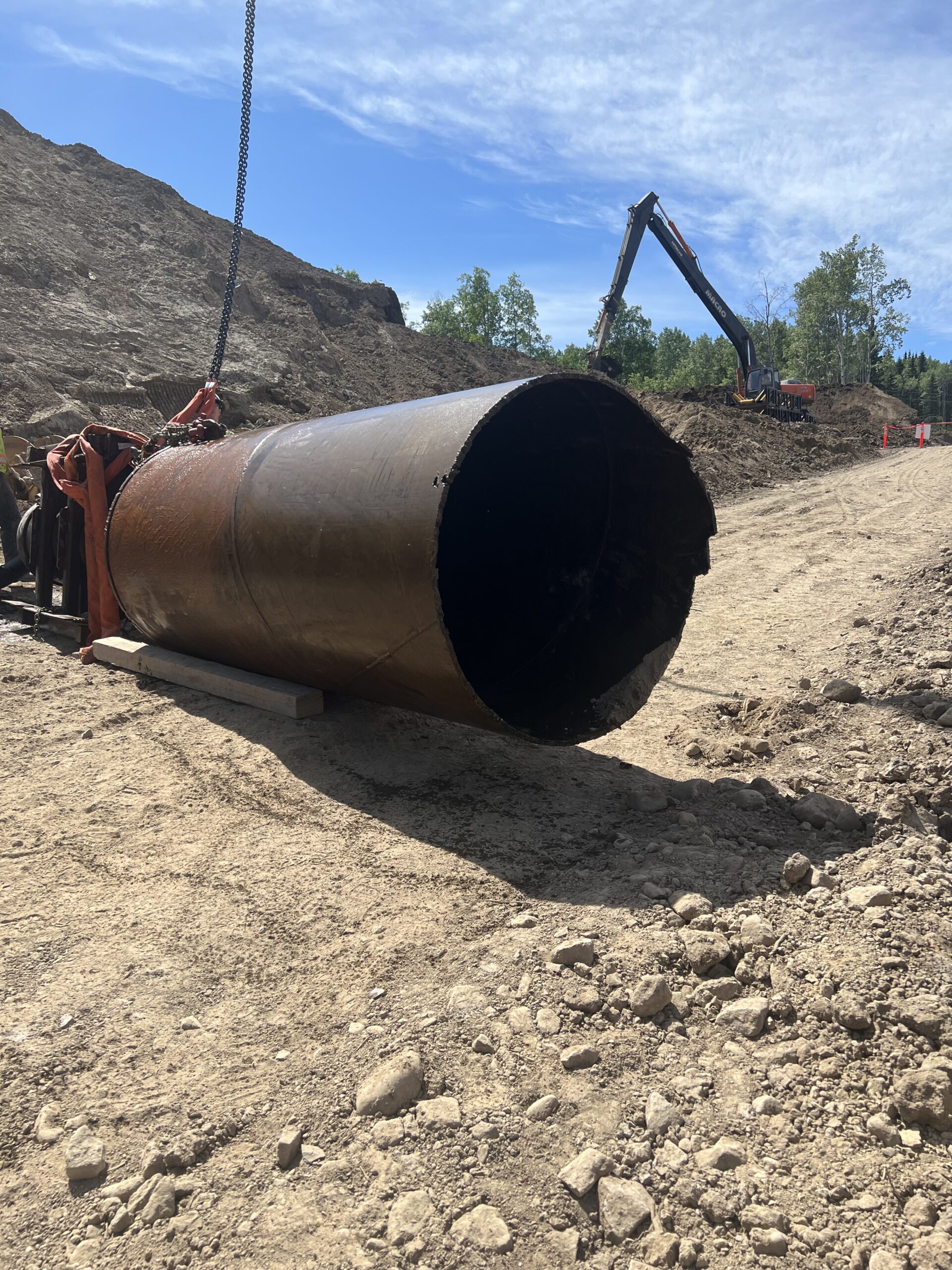
05↗Difficult-access steel assets
Remote magnetic traction can reduce the need for scaffolding, rope access or personnel entry on suitable ferromagnetic surfaces. Curvature, coating, scale, welds, edges, debris, orientation and tether load are checked before deployment.
 06↗
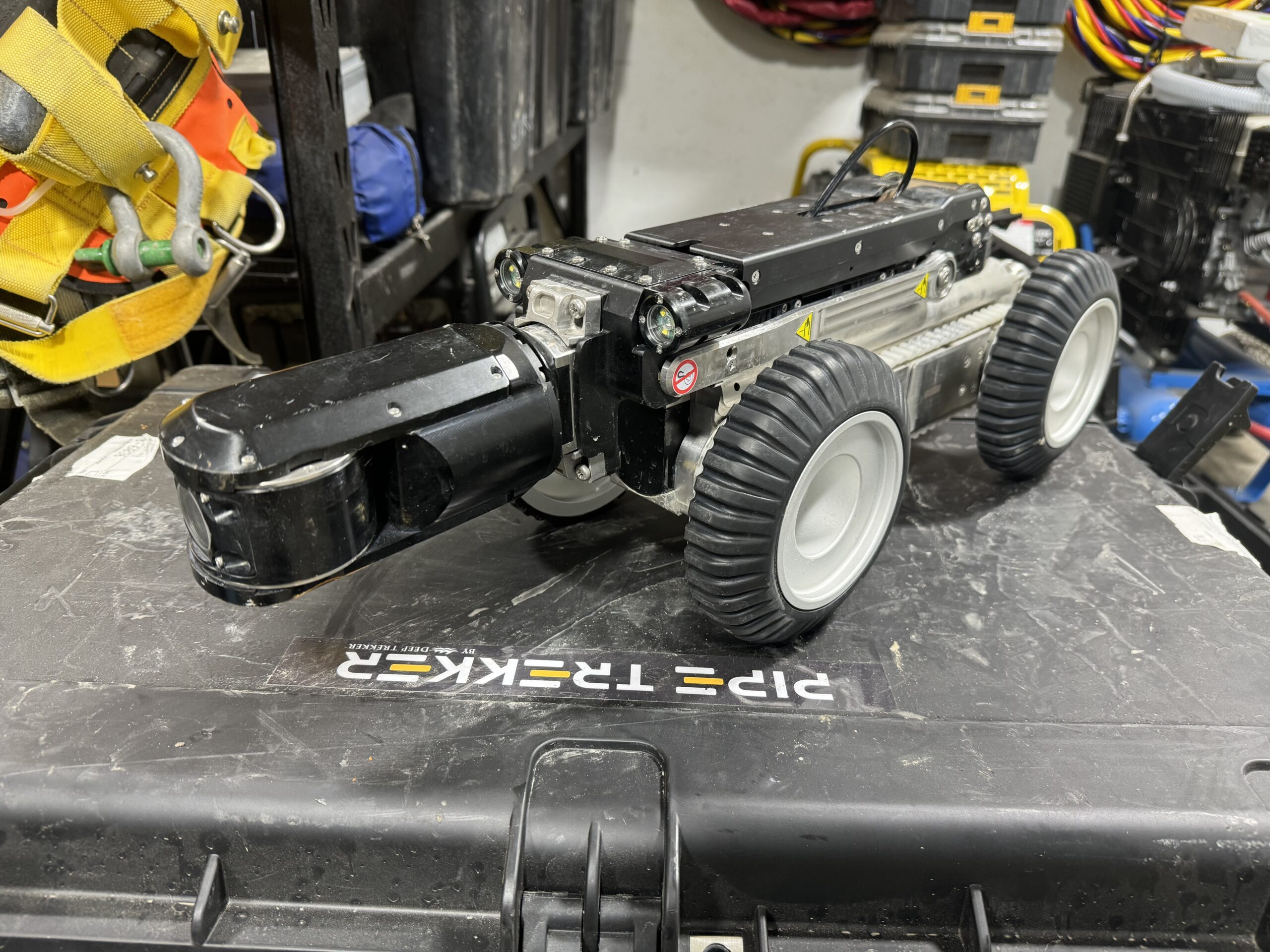
06↗Configured tooling and intervention
Camera, sonar, UT, manipulation and cleaning tools are selected around the approved objective and the platform’s available traction, clearance, power and communications. A recoverable configuration is proved before production work begins.
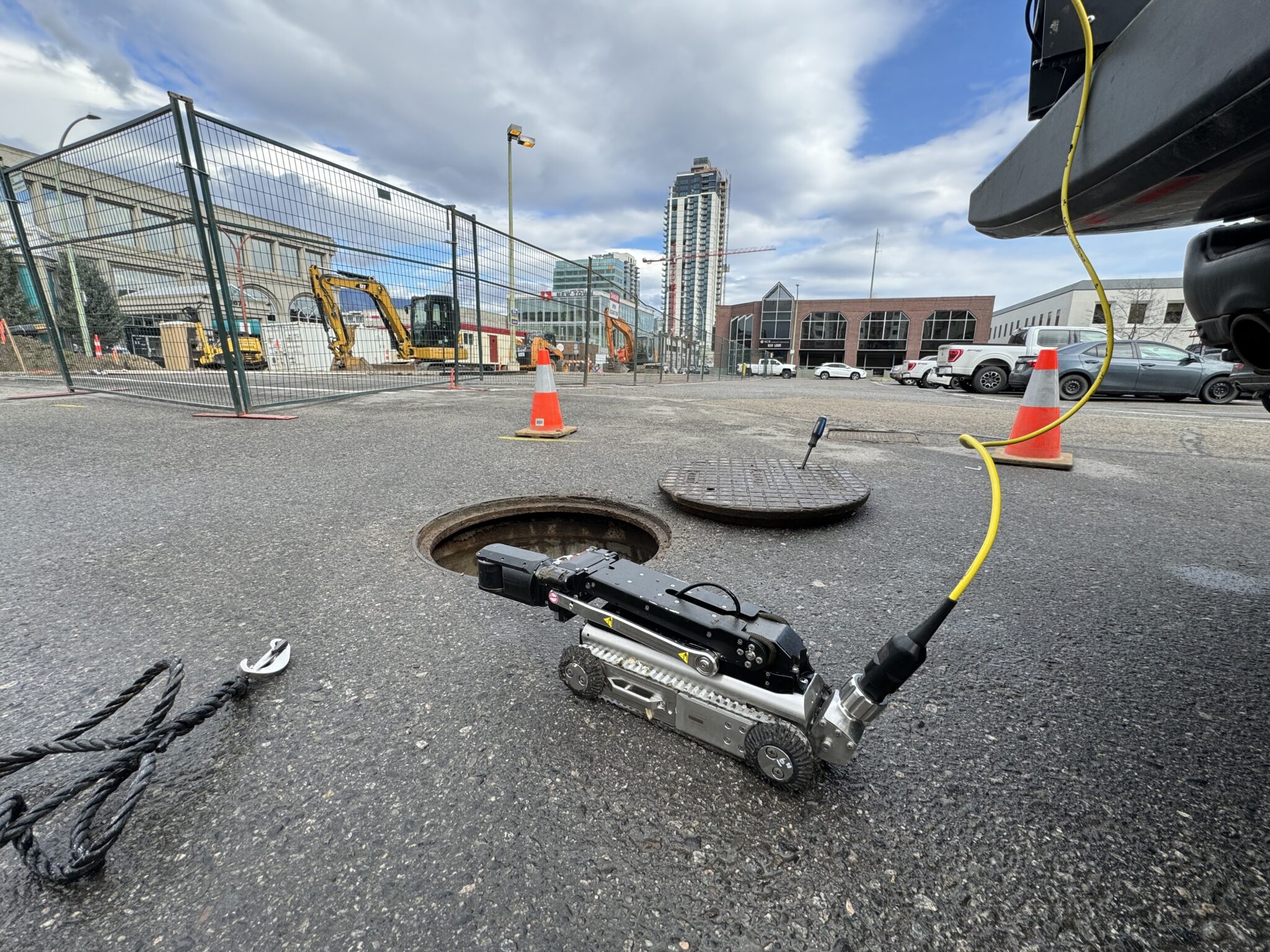
Surface contact changes the plan
Stick to the surface.
Keep control of the mission.
Magnet strength alone does not determine whether the system can inspect, measure or intervene on a real asset.
For Magnetic Utility Crawler Services, the working configuration includes the surface, wheels, crawler orientation, tool reaction, camera, tether, water or process conditions and the recovery route. Ven-Tech tests adhesion and manoeuvrability with the intended payload, then sets hold points and stop-work criteria for the field team.
- 01Verify steel, coating and surface profile
- 02Prove traction through the complete route
- 03Confirm payload contact and data quality
- 04Maintain communications and recovery
7 proven project controls
Magnetic Utility Crawler Services:
define, prove, inspect, deliver.
Seven connected controls keep the inspection question, surface limits, isolation, payload, field execution and closeout record aligned.
Set the inspection question
Confirm the asset, service, requested decision, target surfaces, known conditions, owner requirements, deliverables and who will interpret or accept the resulting evidence.
Read the asset record
Review drawings, material, coating, dimensions, curvature, welds, access, previous inspection, corrosion history, CP information, process status and environmental interfaces.
Prove surface and access
Inspect the launch area and route, verify ferromagnetic response, identify edges and obstacles, complete a controlled adhesion test and confirm a recoverable path.
Control energy and exposure
Verify the owner’s pressure, flow, electrical, mechanical and process isolation, atmosphere and access controls, plus environmental and waste arrangements where applicable.
Build and test the system
Select wheels, camera, lighting, tether, UT or other payload, cleaning tool, couplant, calibration blocks, recording settings and recovery provisions for the approved method.
Inspect and quality-control live
Navigate the referenced route, monitor traction and media quality, collect the agreed observations or readings, pause at hold points and record deviations while the team can still respond.
Close the coverage and record
Confirm required surfaces and targets were addressed, reconcile files and location references, document limitations and issue the agreed media, data tables, findings register and report.
Platform, sensors and tooling
One magnetic platform.
Multiple configured missions.
Magnetic Utility Crawler Services become useful when traction, sensor contact, communications and recovery are configured around the actual asset.
Magnetic traction platform
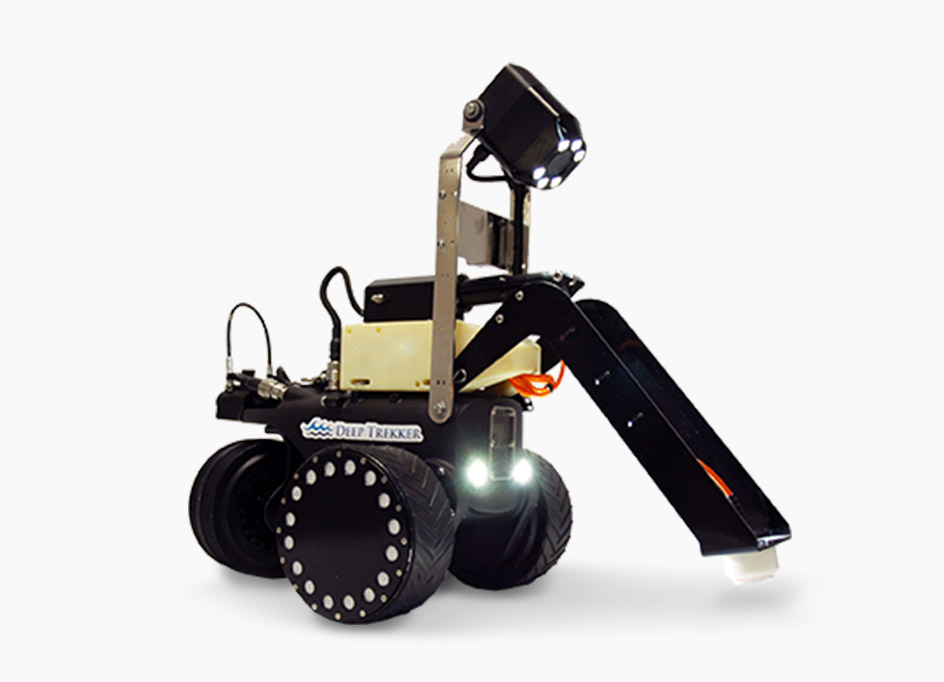
A magnetic crawler can travel on suitable ferromagnetic steel in horizontal, vertical, inverted or submerged orientations when surface condition, configuration and operating forces remain within the proved limits.
Camera, lighting and recording
Live visual control, adjustable lighting, pan-and-tilt viewing and high-resolution recording support navigation, screening and indexed documentation of welds, coatings, corrosion, attachments and accessible surfaces.
Ultrasonic thickness payload
Contact UT may support point readings, line scans or a planned thickness grid. Surface cleaning, couplant, probe contact, calibration, material assumptions and qualified review remain essential.
Cathodic-protection measurement
A configured reference electrode and measurement procedure can collect project-specified potential data on submerged or immersed steel. Conditions and reference details are recorded for corrosion-specialist interpretation.
Pressure washing and brushing
Controlled cleaning can remove loose fouling, sediment or coating debris from a defined area where nozzle reaction, traction, containment, runoff and waste recovery are addressed in the work plan.
Vacuum, dredging and debris tools
Suction or removal attachments may improve access or visibility in tanks and submerged assets. Hose routing, blockage, discharge, waste characterization, payload load and crawler recovery govern feasibility.
Sonar and navigation aids
Where visibility, geometry and configuration warrant it, compatible sonar or positional references can support obstacle awareness, target reacquisition and connection of internal observations to the asset record.
Tether, communications and recovery
The tether is managed as part of the drive system. Length, drag, edge protection, pull direction, communications, backup retrieval and a clear return route are controlled throughout the mission.
Measurement quality is part of the method
See the surface.
Know what the data means.
Visual media, UT readings and CP potentials answer different questions. Each requires appropriate surface conditions, references, calibration or measurement controls and qualified interpretation.
Ven-Tech connects observations to the agreed asset reference, records equipment and field conditions, preserves raw and processed files where included and states limitations clearly. The final record distinguishes measured data from engineering or corrosion conclusions.
Indexed video and still imageryCalibration and measurement recordsSurface, location and condition notesCoverage gaps and limitations stated
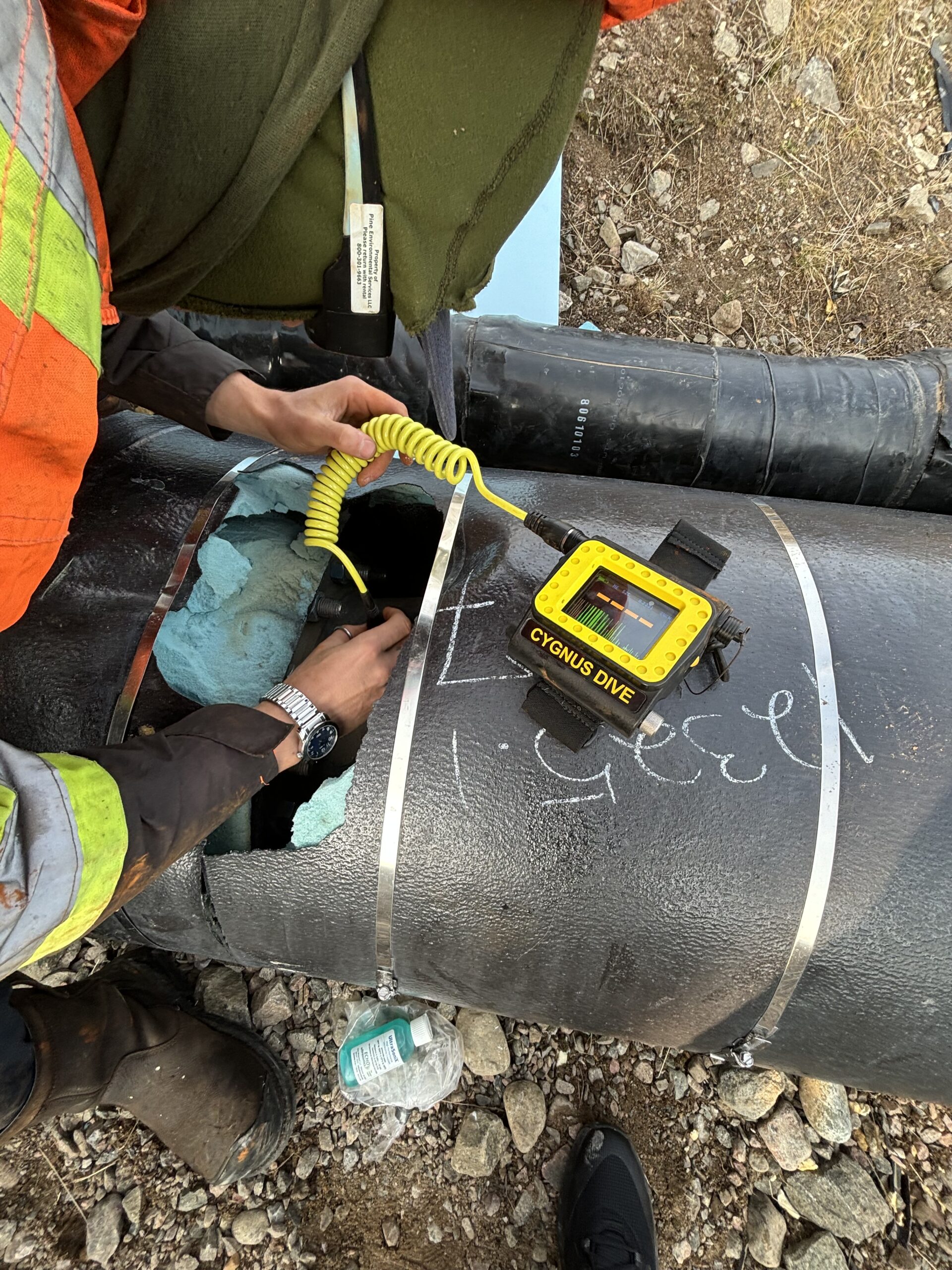
Magnetic Utility Crawler Services deliverables
Remote at the asset.
Reviewable at the desk.
A complete inspection record links scope, surface suitability, field method, media, measurements, limitations and recommended next actions.
Scope and access basis
Inspection objective, asset information, access, route, surface assumptions, operating status, agreed coverage, acceptance responsibilities and field limitations.
Surface and traction assessment
Ferromagnetic confirmation, coating and scale observations, curvature, transitions, adhesion test, payload configuration and any areas excluded from crawler travel.
Indexed inspection video
Organized CCTV files and still photographs referenced to route, orientation, weld, feature, elevation, grid, distance or another agreed asset-location system.
UT thickness dataset
Where included: instrument and probe information, calibration, nominal material assumption, measurement positions, readings or scans, surface condition and data-quality notes.
CP potential readings
Where included: reference electrode, measurement conditions, locations, readings, timestamps and noted limitations for review by the project corrosion authority.
Tooling and cleaning record
Attachment used, target area, pressure or operating setting where relevant, cleaning sequence, media before and after, waste controls and observed effect on access or visibility.
Target and findings register
Concise record of observed corrosion, coating condition, welds, deformation, deposits, attachments, obstructions or other agreed targets with direct links to supporting media.
Final closeout report
Method, personnel, equipment, field conditions, coverage, results, limitations, unresolved areas, recommended follow-up and a controlled index of the delivered files.
Candidate assets and environments
Steel infrastructure.
Above or below water.
Magnetic Utility Crawler Services can support suitable municipal, marine, industrial, energy and resource assets. Final platform selection follows material, geometry, surface condition, access, operating environment and required deliverables.
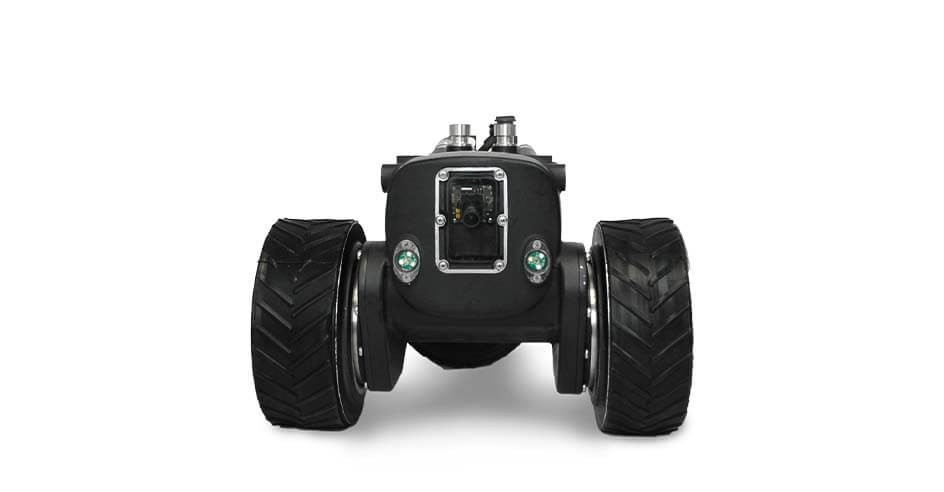
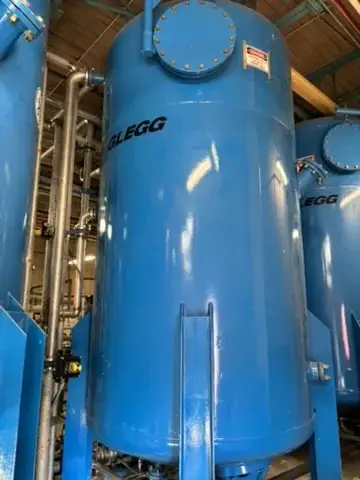
01Steel water and process tanks↗
02Pipelines, penstocks and risers↗
03Ship hulls, barges and ballast spaces↗
04Dams, gates and embedded steel↗
05Pressure vessels and industrial towers↗
06Offshore and marine structures↗
07Bridge steel, caissons and sheet piles↗
08Energy, mining and resource infrastructure↗
About Ven-Tech
Meet the people.
Understand the capability.
This company overview introduces the field team, operating discipline and integrated inspection systems behind Ven-Tech’s robotic work.
About Ven-Tech Subsea Inspections
Meet the people and systems behind our Canadian inspection, robotics, diving, UAS, pipe and survey capability.
HSE, environmental and technical authority
Reduce exposure.
Keep every control.
Robotic access can reduce personnel exposure, but it does not remove the asset hazards. The work plan addresses ownership, pressure, flow, mechanical and electrical energy, stored energy, contents, atmosphere, working at heights, tether and hose management, dropped objects, traffic, water, waste, communications, recovery and emergency response.
Confined-space rules still apply where the space or access meets the regulatory definition, and any human entry requires the applicable program. CP interpretation remains with qualified corrosion personnel. Work near water requires project-specific environmental review and owner or regulatory requirements.
BCCSA COR® CertifiedISNetworld Member ContractorISNetworld ESG BadgeAvetta ApprovedCognibox CertifiedAlcumus SafeContractorIsolation and lockoutConfined-space planningTether and recovery controlTraceable QA/QC
Magnetic Utility Crawler Services FAQ
Technical questions.
Responsible answers.
These answers explain where magnetic traction can add value—and the conditions that still govern safe, useful deployment.
What are Magnetic Utility Crawler Services?+
Magnetic Utility Crawler Services use a remotely operated crawler with magnetic traction to inspect or perform configured tasks on suitable ferromagnetic steel surfaces. A project may include live CCTV, ultrasonic thickness readings, corrosion or cathodic-protection data capture, cleaning tools and a documented closeout package.
Can a magnetic crawler travel vertically or upside down?+
Potentially. Magnetic crawlers can operate in horizontal, vertical and inverted orientations on suitable ferromagnetic surfaces, but this is not automatic approval for every asset. Coating, scale, corrosion, curvature, welds, edges, debris, payload reaction, water or current and tether load all affect usable traction. Ven-Tech verifies the working configuration and route before production inspection.
Can Magnetic Utility Crawler Services replace confined-space entry?+
They can reduce the need for personnel exposure on some suitable scopes, but they do not eliminate isolation, confined-space, atmosphere, rescue or owner controls when those hazards remain. Access, launch, retrieval, cleaning and any human entry are planned under the applicable program and regulations.
Can the crawler perform ultrasonic thickness testing?+
A compatible UT payload can collect agreed thickness readings or scans where the surface, cleaning, couplant, probe contact and calibration conditions are suitable. The report identifies locations and limitations. Engineering conclusions and fitness-for-service decisions remain with the qualified project authority.
Can the crawler collect cathodic-protection readings?+
A configured system may collect project-specified CP potential readings on suitable submerged steel. Ven-Tech records the reference electrode, location, conditions and readings; a qualified corrosion specialist or owner representative interprets whether the protection criteria are satisfied.
Can a magnetic crawler pressure-wash or vacuum a surface?+
Compatible attachments may support pressure washing, brushing, vacuuming, sediment removal or limited manipulation. Feasibility depends on traction, nozzle or tool reaction, hose routing, payload load, clearance, visibility, containment, waste handling and recovery. The tool is selected only after the actual operating conditions are reviewed.
What assets can be inspected with Magnetic Utility Crawler Services?+
Typical candidates include suitable steel tanks, pipelines, penstocks, ship hulls, barges, pressure vessels, dam gates, marine structures, caissons and industrial steel surfaces. Non-ferrous materials, heavily degraded surfaces, unsuitable coatings, tight geometry or interrupted travel paths may require another method such as an ROV, pipe crawler, diver, rope access or conventional entry.
What information is needed for a crawler inspection quote?+
Provide the asset type and service, drawings, material and coating, dimensions and curvature, access point, target surfaces, orientation, current operating status, pressure or flow, water depth if submerged, previous inspection, known corrosion or fouling, required measurements, cleaning or tooling needs, site hazards, schedule and requested deliverables.
Bring us the steel asset and inspection question
Prove the route.
Bring back evidence.
Send drawings, material and coating, dimensions, access, target surfaces, orientation, operating status, pressure or flow, water depth, previous reports, required sensors, cleaning needs, hazards, schedule and deliverables. Ven-Tech will review the Magnetic Utility Crawler Services scope and define the next responsible step.