 01
01Municipal wastewater systems
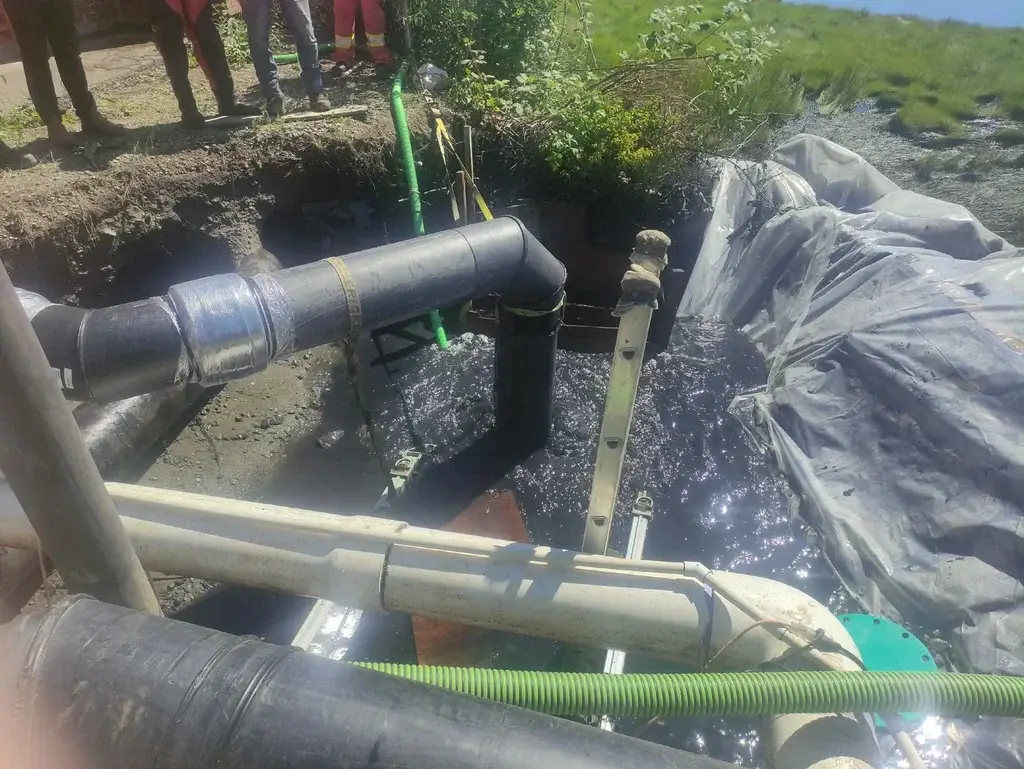
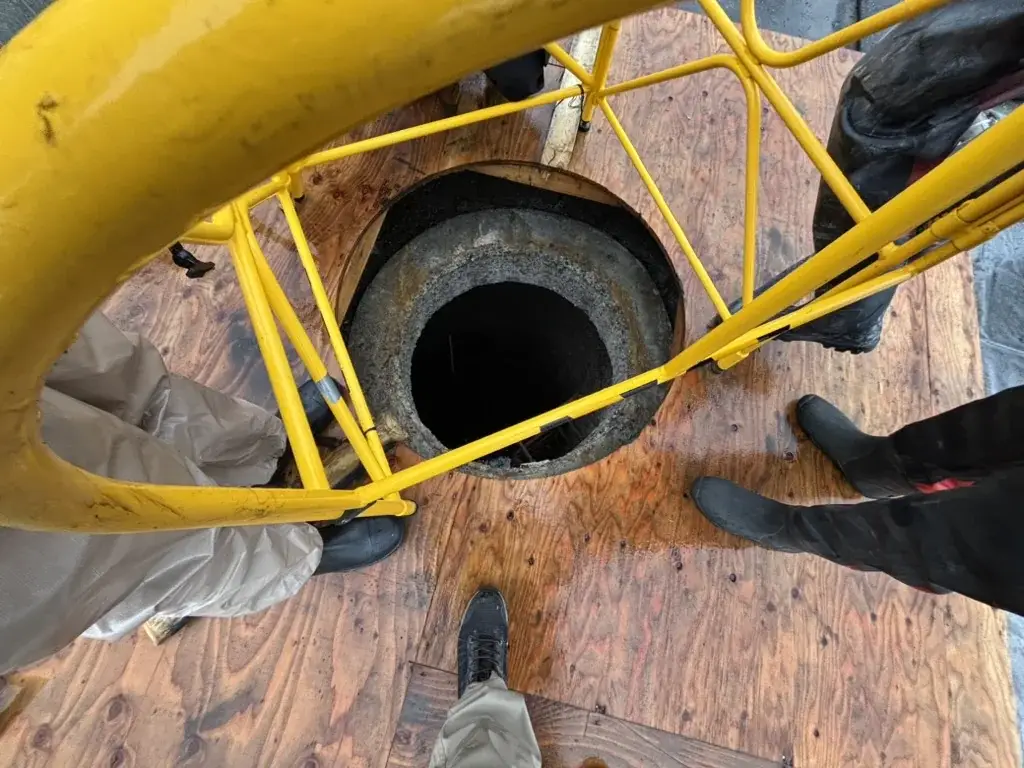
Inspection, cleaning, repair and obstruction work in sewage wet wells, tanks, channels, pump stations and related wastewater infrastructure.
HAZARDOUS WATER · CONTROLLED ENTRY · DOCUMENTED DECON
Ven-Tech Contaminated Diving Services support wastewater, industrial, mining, energy and critical-infrastructure projects across Canada with surface-supplied diving, contaminant-specific protection, controlled decontamination and remote robotic alternatives.
Specialized commercial diving
Contaminated Diving Services require more than conventional dive equipment and a standard washdown.
Ven-Tech begins with the contaminant, the task and every credible route of exposure. Analytical information, biological hazards, product chemistry, pH, temperature, solids, hydrocarbons, access, flow and operating constraints shape the protective system and field method.
The project plan connects site isolation, surface-supplied breathing air, encapsulation, communications, hot/warm/cold zones, emergency readiness, decontamination, wastewater handling and final documentation. If remote technology can collect the required evidence with less exposure, Ven-Tech can screen an ROV, crawler or sonar-first approach before diver entry.
Where we work
Contaminated Diving Services are configured around the actual chemistry, biology, asset and task—not a generic water classification.
01Inspection, cleaning, repair and obstruction work in sewage wet wells, tanks, channels, pump stations and related wastewater infrastructure.
 02
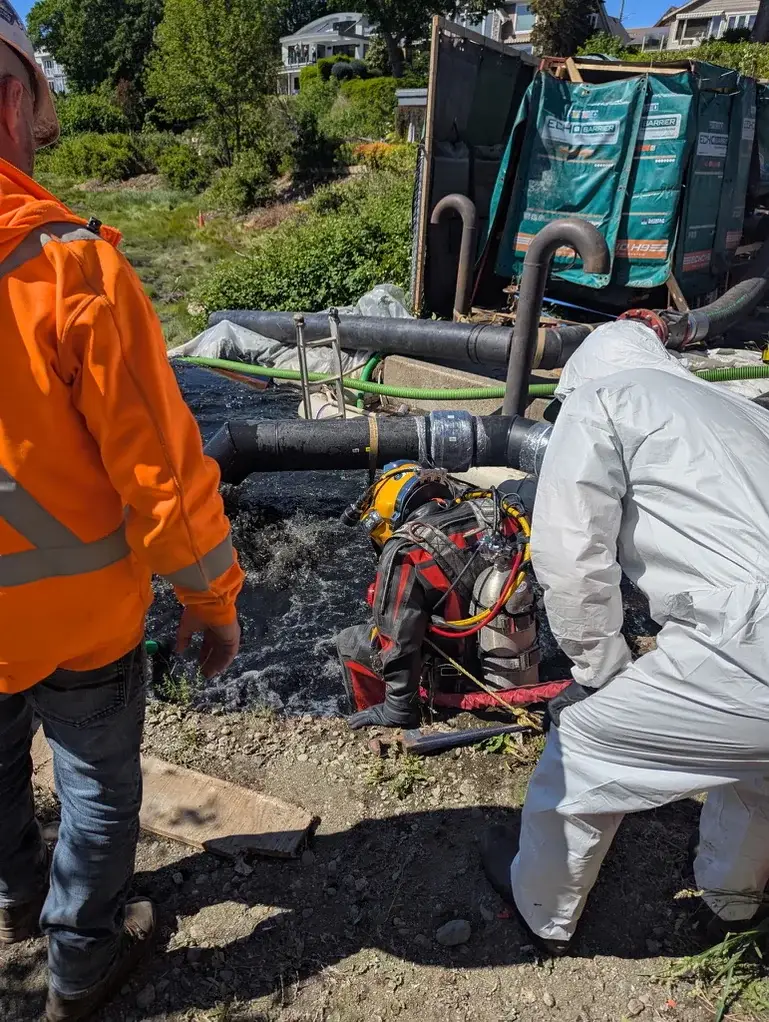
02Controlled access to process-water lagoons, settling basins, sumps and effluent structures where biological or chemical exposure must be assessed.
 03
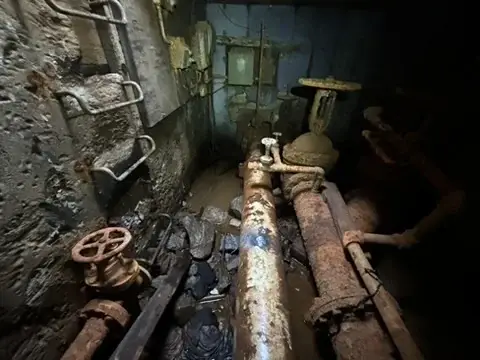
03Condition assessment and intervention at submerged outfalls, diffusers, gates, screens, weirs and discharge structures in difficult visibility.
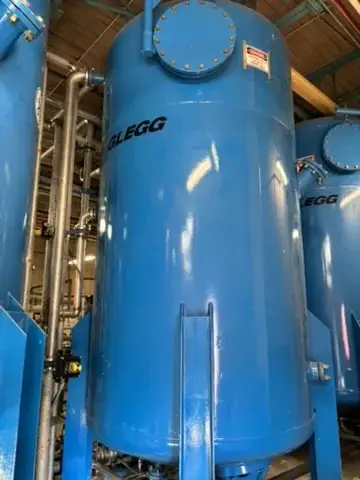 04
04Site-specific work in oil-impacted containment areas, industrial water and sediments where material compatibility and decontamination are critical.
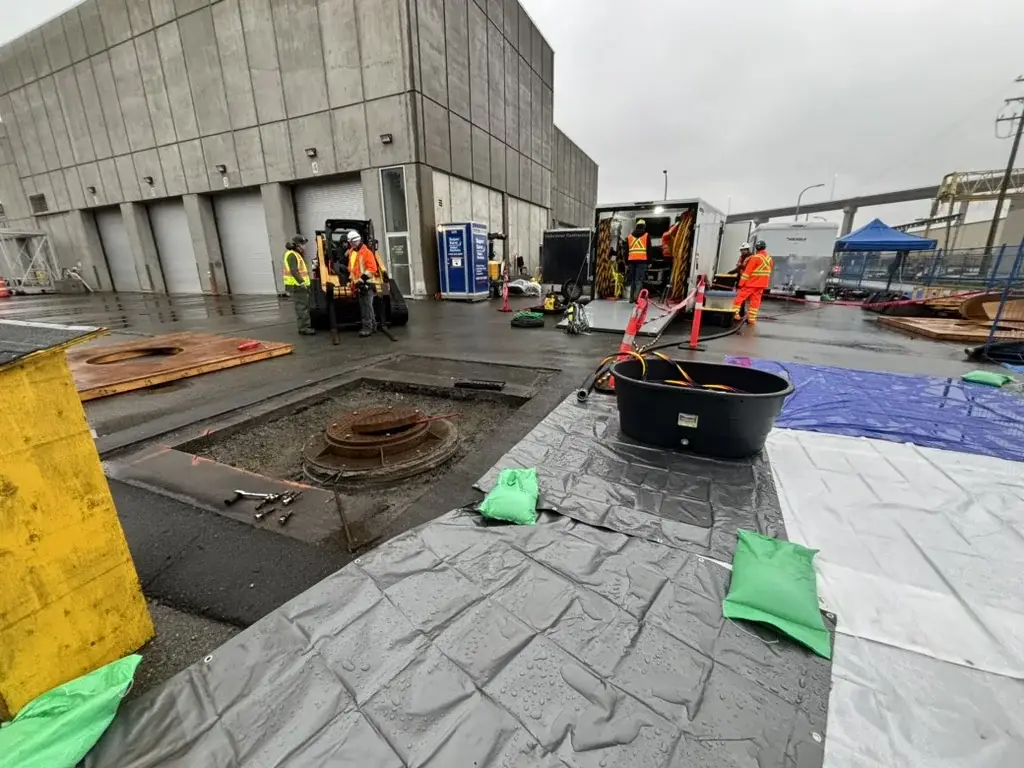 05
05Planned inspection and maintenance in mining water, tailings infrastructure and leachate systems after chemistry, access and emergency controls are reviewed.
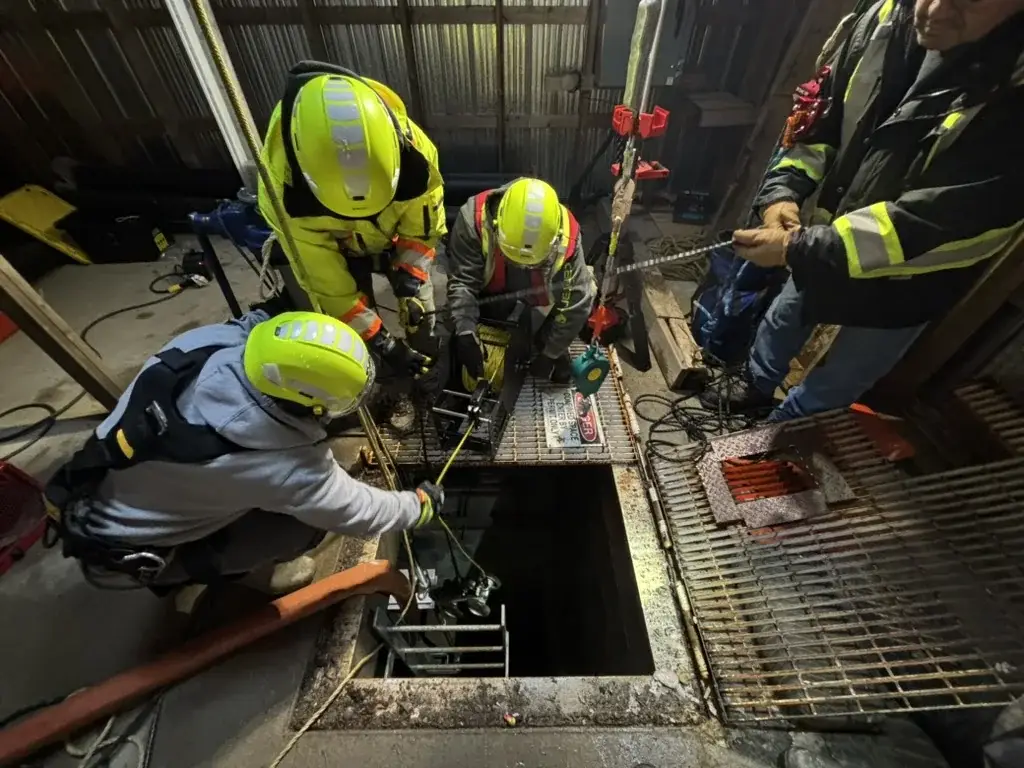 06
06Diving or remote inspection inside suitable tanks, vessels, pits and process structures where contamination and confined-space hazards intersect.
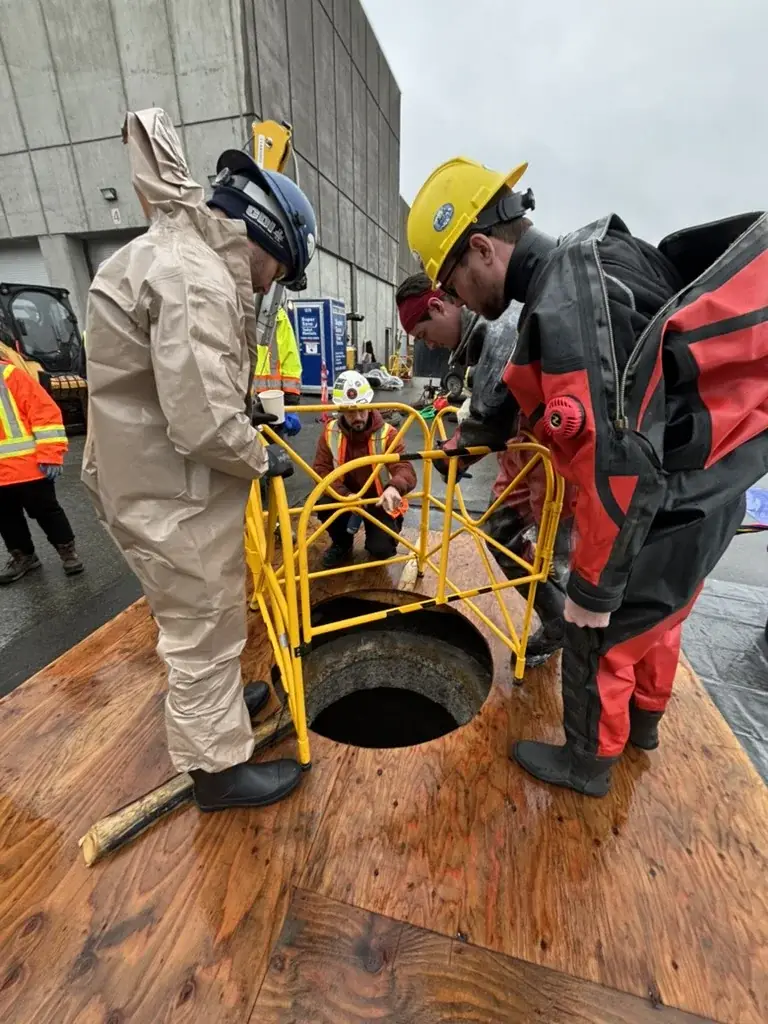
Risk-led field planning
The complete protective chain must be compatible—from helmet and dress to umbilical handling, decontamination and waste control.
Ven-Tech evaluates whether the scope fits a recognized Type I, II or III contaminated-water framework where applicable, while still relying on the specific hazard data and governing jurisdiction. The classification never replaces the site-specific assessment.
Pre-entry control framework
Contaminated Diving Services proceed only when the work method, protective system and recovery path are supported by the information available. Each Contaminated Diving Services plan remains site-specific.
Review available sampling, SDS information, biological hazards, pH, temperature, hydrocarbons, chemicals, solids and other exposure pathways.
Define work steps, contact duration, potential ingestion or inhalation pathways, splash zones, penetrations and foreseeable equipment contamination.
Select compatible helmet, suit, gloves, boots, seals, umbilical protection and breathing configuration for the assessed environment.
Establish lockout, flow and pressure controls plus clearly managed hot, warm and cold zones around the work and decontamination path.
Confirm standby capability, communications, bailout, recovery route, medical information and contamination-specific emergency actions.
Define gross decon, wash chemistry, rinse, monitoring, containment, equipment handling, waste collection and post-job disposition before entry.
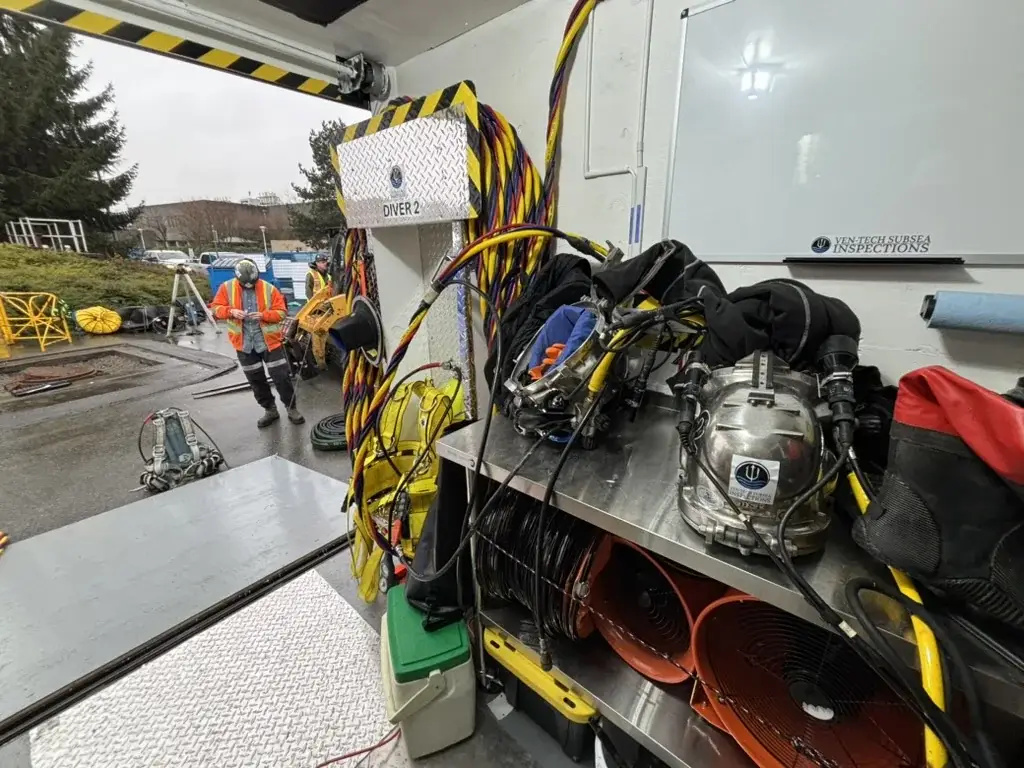 PROTECTIVE SYSTEM / FIELD CONFIGURATION
Equipment & technology
Contaminated Diving Services equipment is selected for the contaminant, task, duration, depth, access and decontamination method.
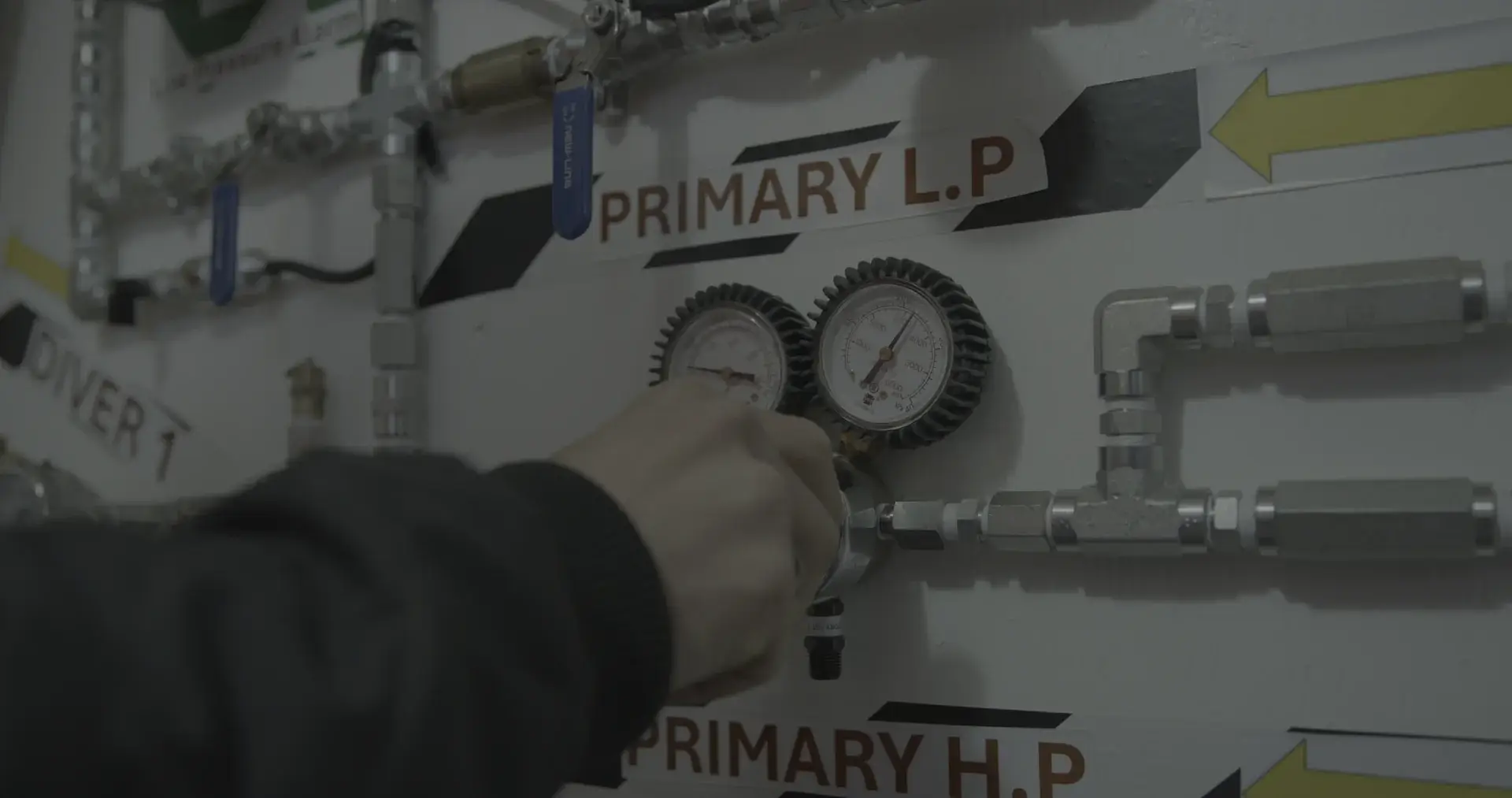
Continuous surface supply, bailout provision, monitored communications and project-specific breathing-air controls.
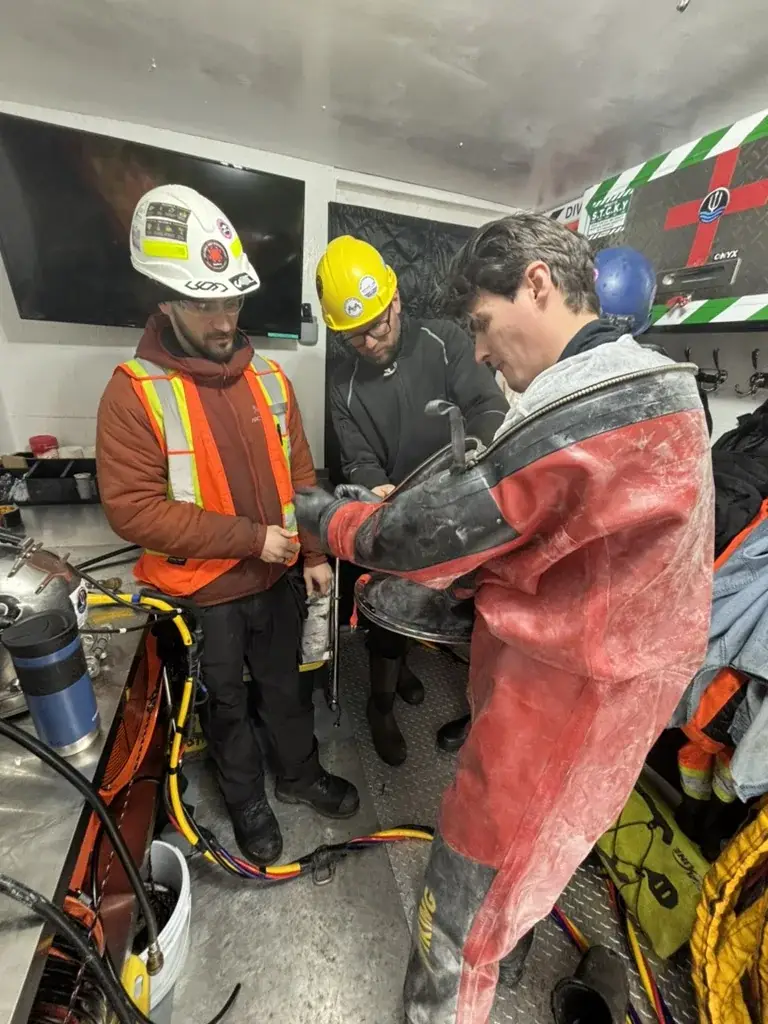
Vulcanized or compatible dry suit, integrated boots and gloves, secure mating surfaces and seals selected around the contaminant.
Helmet and neck-dam arrangement selected for isolation, communication, visibility and positive-pressure operation where the plan requires it.
Breathing-air, communications, pneumo and strength components protected and routed to reduce damage, fouling and cross-contamination.
Live surface communication, helmet video, lighting and indexed recording for supervision, quality control and inspection evidence.
Defined wash stages, containment, compatible agents, water management, PPE transition and clean/dirty equipment separation.
Inspection, cleaning, cutting, fastening, removal and repair tooling configured to avoid introducing an unsuitable ignition or exposure hazard.
Remote visual inspection, sonar, sampling and suitable intervention tools used before or instead of diver entry when they can reduce exposure.
Decontamination workflow
Decontamination for Contaminated Diving Services is designed before the dive so the diver, surface team, tools, wastewater and equipment move through a controlled path.
Stage containment, wash systems, compatible chemistry, tools, waste containers, clean PPE and emergency resources.
Separate contaminated operations from transition and clean areas, with controlled movement of people, hoses, tools and equipment.
Rinse or mechanically remove gross contamination using the method approved for the identified product and site.
Use contaminant-compatible cleaning, contact time and rinse steps without relying on a one-product-fits-all assumption.
Check the diver, dress, helmet, umbilical and tools against the agreed release or secondary-decontamination criteria.
Manage wastewater and solids, segregate equipment, record the process and identify items needing further cleaning or disposal.
Contaminated Diving Services capability
The task package can combine visual evidence, cleaning, measurements, mechanical work, sampling, NDT and robotic support.
Live video, photographs, observations and indexed records for inaccessible or contaminated underwater assets.
Project-selected thickness measurements and suitable underwater NDT delivered by appropriately qualified personnel.
Controlled removal of deposits, debris, screenings and obstructions where waste handling and visibility can be managed.
Inspection, exercising, cleaning, adjustment, installation or repair support for submerged mechanical components.
Inspection, cleaning, fastening and repair of screens, diffusers, piping, anchors and connected infrastructure.
Water, sediment, material or product sampling under an approved handling, chain-of-custody and decontamination method.
Project-specific bolting, patching, grouting, sealing, cutting and repair assistance after engineering and compatibility review.
Rapid technical planning and field support for blockages, failures, releases and urgent access problems when conditions permit safe deployment.
Diver, robot or hybrid
Not every contaminated-water problem needs immediate diver entry. Ven-Tech can use ROV video, sonar, crawlers or sampling tools to characterize an asset, verify access or complete suitable no-entry inspection.
A hybrid program can use remote systems for reconnaissance and mapping, then deploy a commercial diver only for the work requiring dexterity, contact measurement or physical intervention.
Explore ROV Services →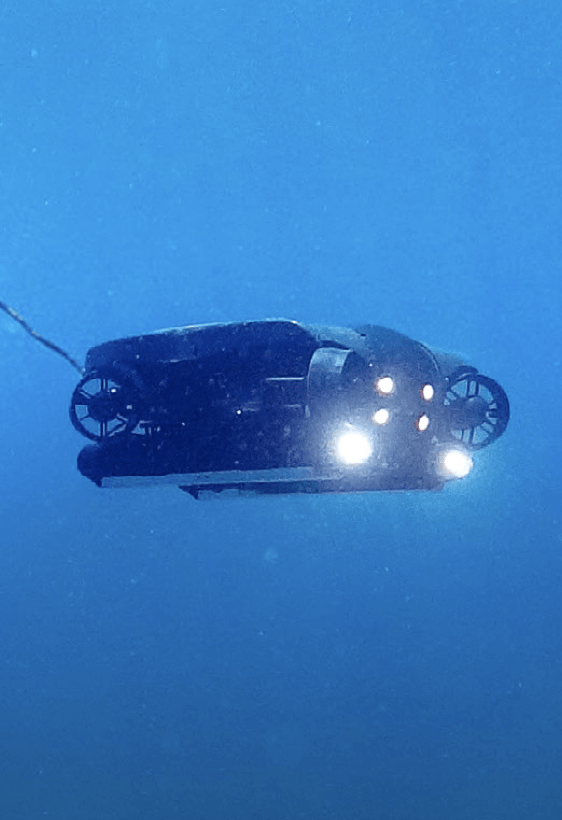 REMOTE INSPECTION / EXPOSURE REDUCTION
Project deliverables
Contaminated Diving Services closeout connects field execution and inspection evidence to the client’s next maintenance or engineering decision.
Organized video and photographs referenced to the asset, work step and observation.
Clear descriptions of visible condition, measurements, limitations and areas requiring follow-up.
Approved plans, field records, zone and decontamination documentation and agreed client closeout information.
A concise project record connecting work completed and findings to maintenance, repair or further investigation.
Regulatory & HSE alignment
Ven-Tech reviews the applicable provincial or territorial occupational-diving requirements, client standards, project hazards and relevant CSA commercial-diving practices before the field plan is approved.
Defined scope, team, equipment, work steps, limits, communications, stop-work criteria and authorization.
Exposure routes, compatibility, site interfaces, simultaneous operations and required specialist input.
Lockout, flow, differential pressure, mechanical movement, vessel traffic and confined-space interfaces.
Standby diver, recovery, breathing supply, first aid, medical pathway and contamination-specific response.
Personnel, timing, readings, hot/warm/cold zone control, equipment movement and decontamination status.
Media, observations, measurements, completed work, limitations and recommended next actions.
Contractor assurance
Ven-Tech’s Contaminated Diving Services are supported by a COR®-certified safety-management system, contractor qualification programs, commercial-diving procedures and integrated inspection capability.
Contaminated Diving Services FAQ
Analytical results, SDS documents, access photos and operating details help Ven-Tech screen the safest practical method.
Contaminated Diving Services are commercial-diving operations in water or liquids containing biological, chemical, hydrocarbon, sewage, industrial or other hazards requiring enhanced exposure, protective-equipment, decontamination, emergency and waste-management controls. The classification and method are determined from the specific site and contaminant information.
Ven-Tech can assess projects involving wastewater, sewage, effluent, industrial lagoons, mine water, tailings infrastructure, hydrocarbon-impacted water and selected process liquids. Acceptance depends on adequate contaminant characterization, equipment compatibility, isolation, exposure limits, decontamination and emergency planning.
Depending on the assessment, Contaminated Diving Services may use an encapsulated vulcanized or compatible dry suit, sealed commercial-diving helmet, integrated gloves and boots, contamination-managed umbilical, surface-supplied breathing air, bailout, live communications and mobile decontamination equipment. The exact ensemble is contaminant-specific.
Sometimes. A suitable dive method can avoid draining or significantly reduce operational disruption, but Ven-Tech does not promise live work for every system. Flow, pressure, stored energy, chemical exposure, access, visibility, isolation, rescue and return-to-service requirements must support the plan.
The project decontamination plan defines gross removal, compatible wash chemistry, contact time, rinsing, inspection or monitoring, clean/dirty segregation, wastewater containment and equipment disposition. The method is selected for the actual contaminant rather than using one universal cleaning product.
An ROV, crawler or sonar system may be used for initial assessment or no-entry inspection where it can obtain the required information while reducing personnel exposure. Diver entry may still be needed for dexterous repair, cleaning, measurement or intervention, and hybrid scopes can use both methods.
Contaminated Diving Services can include visual inspection, video documentation, cleaning, obstruction removal, valve or gate support, screen and outfall work, sampling, measurements, suitable NDT and project-specific repairs. Every task is screened for compatibility with the environment and protective system.
Provide the asset, location, access, depth, operating state, contents, recent analytical data, SDS information, temperature, pH, known biological or chemical hazards, flow and isolation details, drawings, requested work, schedule and deliverables. Ven-Tech may request additional sampling or specialist review before confirming entry.
Start with the contaminant and the task
Send the asset details, recent analytical information, known hazards, isolation options, required work and schedule. Ven-Tech will help define the appropriate diving, remote or hybrid approach.