Depth, task, bottom time, workload, water conditions, exposure, access and emergency logistics determine whether deep air, nitrox or another authorized mixed-gas method is appropriate.
SPECIALIST SURFACE-SUPPLIED DIVING · CANADA
Mixed Gas & Deep Air Diving.
Depth under control.
Mixed Gas & Deep Air Diving for inspection, construction, repair and recovery—planned around breathing-gas integrity, decompression, chamber readiness and a verifiable project record.
GASAnalyzed and controlled
DDCTwin-lock chamber capability
LIVEDepth, time and voice control
Depth changes the plan
A dive mode is not
a depth number.
Mixed Gas & Deep Air Diving is an operating system built around the diver, the breathing medium, the decompression obligation, the worksite and a credible recovery path.
Ven-Tech begins with the owner’s decision: what must be inspected, installed, repaired or recovered, and what evidence must come back. The team then reviews depth, anticipated bottom time, water temperature, current, visibility, elevation, workload, access, vessel or shore interfaces, contamination, medical support and evacuation time. Those conditions shape the approved breathing-gas, decompression, transport, chamber and emergency arrangements.
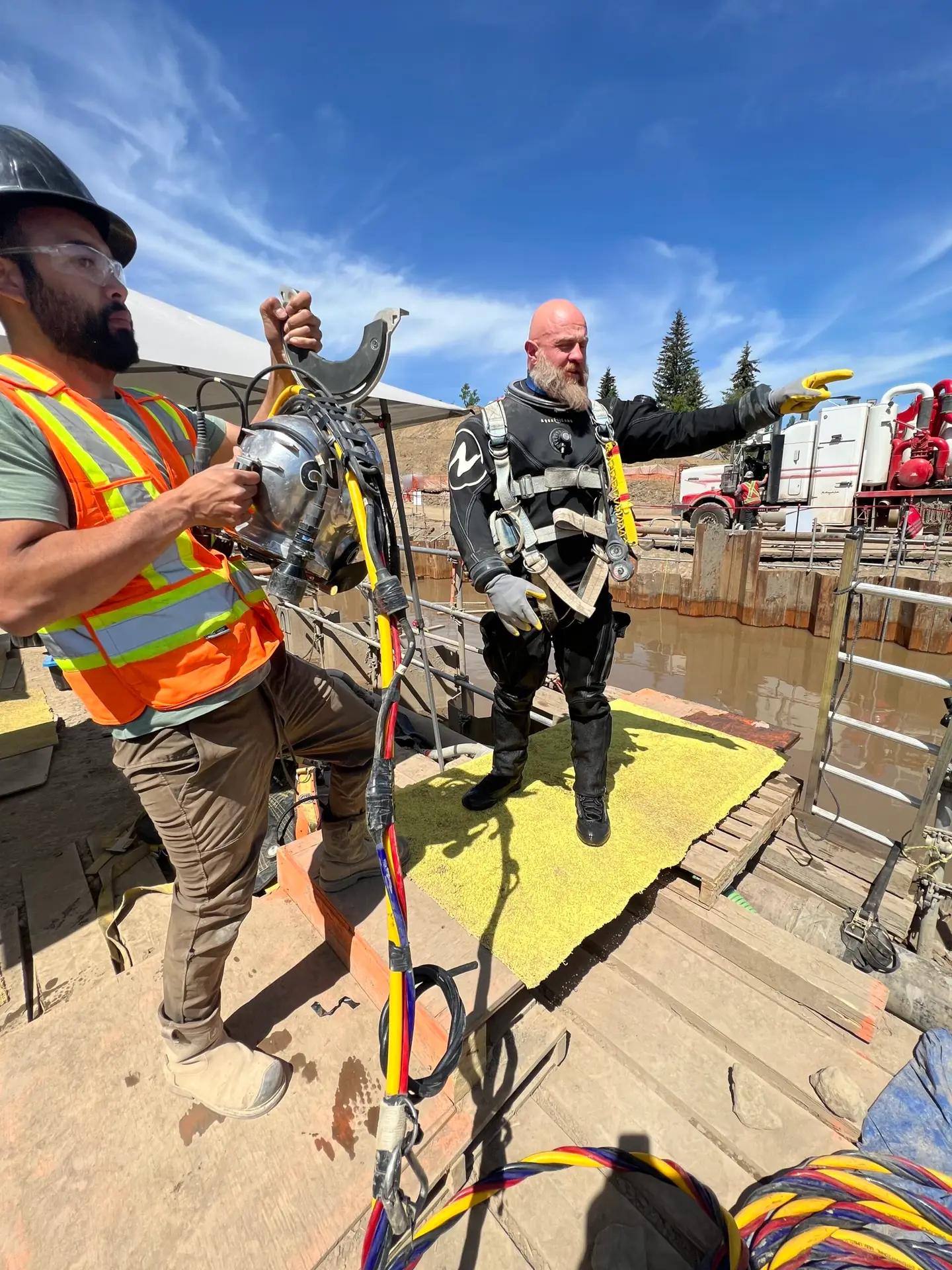
Deep work remains surface supplied, supervised and connected. The diver’s umbilical, gas sources, reserve system, communications, video, depth monitoring, tools, stage or bell and chamber are configured as one project system. Regulations, accepted tables and procedures, written authorizations where required, qualifications and equipment documentation are verified before mobilization—not inferred from a marketing depth claim.
Surface-suppliedProject authorizedLive communicationsChamber readyTraceable records
Six critical controls
Plan the exposure.
Control the change.
Every control is linked. A change in depth, time, gas, environment, task or personnel can change the entire operating basis.
The project team identifies notices, written authorizations, accepted procedures, competent-authority recommendations and owner requirements before the final dive plan is released.
Bottom mix, reserves, switching, oxygen exposure, decompression, chamber use, lost-gas contingencies and treatment capability are tied to the selected tables and actual system.
Gas analysis, labels, valves, gauges, hoses, umbilicals, communications, depth monitoring, chamber systems, standby diver and emergency equipment are checked and documented.
The diving supervisor controls time, depth, breathing-gas pressure and mixture, communications, personnel status, environmental changes and stop-work decisions throughout the dive.
Dive logs, gas records, decompression information, inspection evidence, measurements, observations and limitations are indexed for owner and engineering review.
Specialist commercial diving capability
Mixed Gas & Deep Air Diving.
Practical field work.
From detailed inspection to engineered intervention, the dive mode is selected around the work—not the other way around.
 01↗
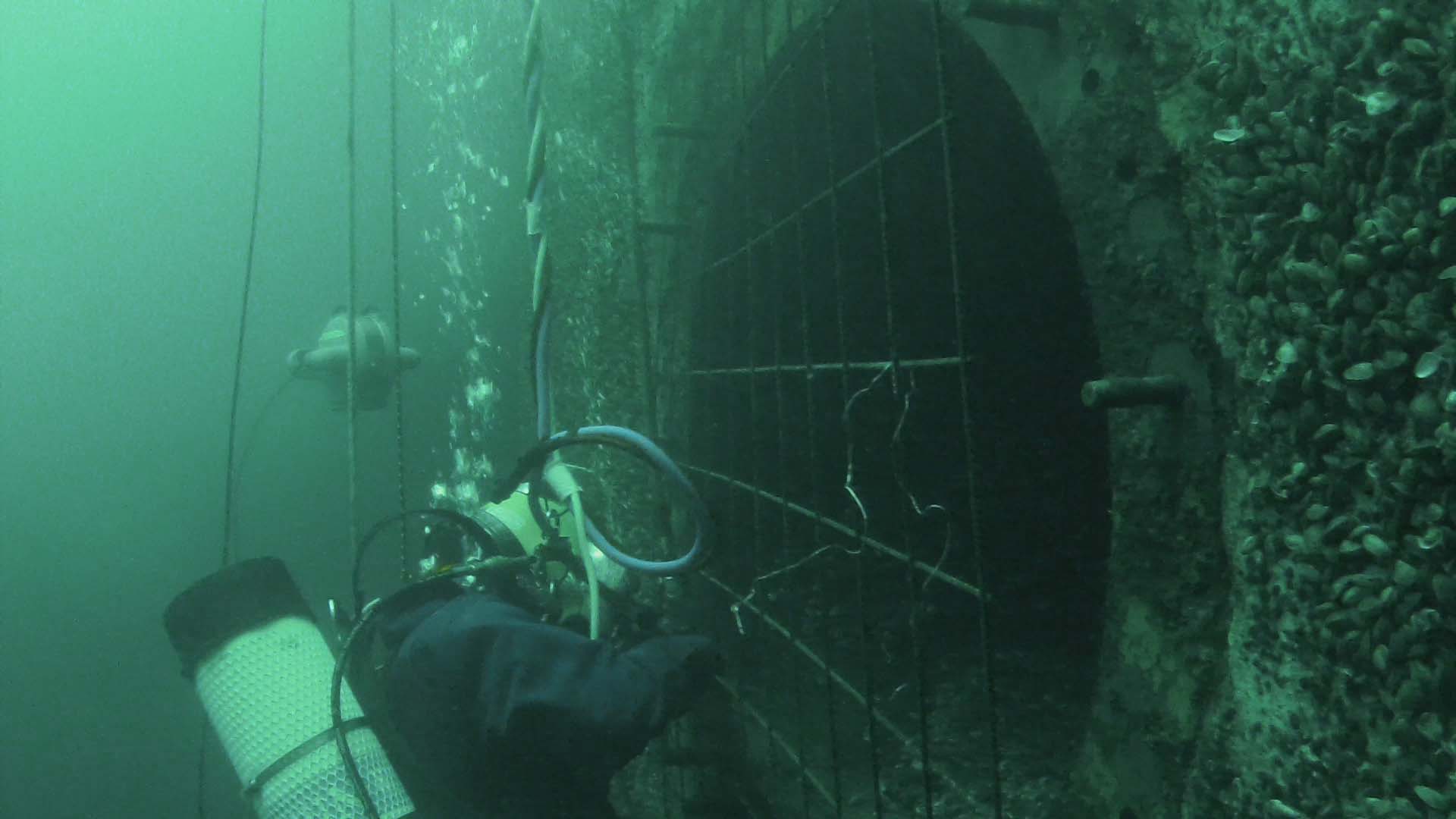
01↗Deep inspection & NDT support
Surface-supplied divers can collect close visual evidence, dimensions, cathodic-protection readings and project-approved NDT data on submerged structures where depth, access or time require a specialized breathing-gas plan.
 02↗
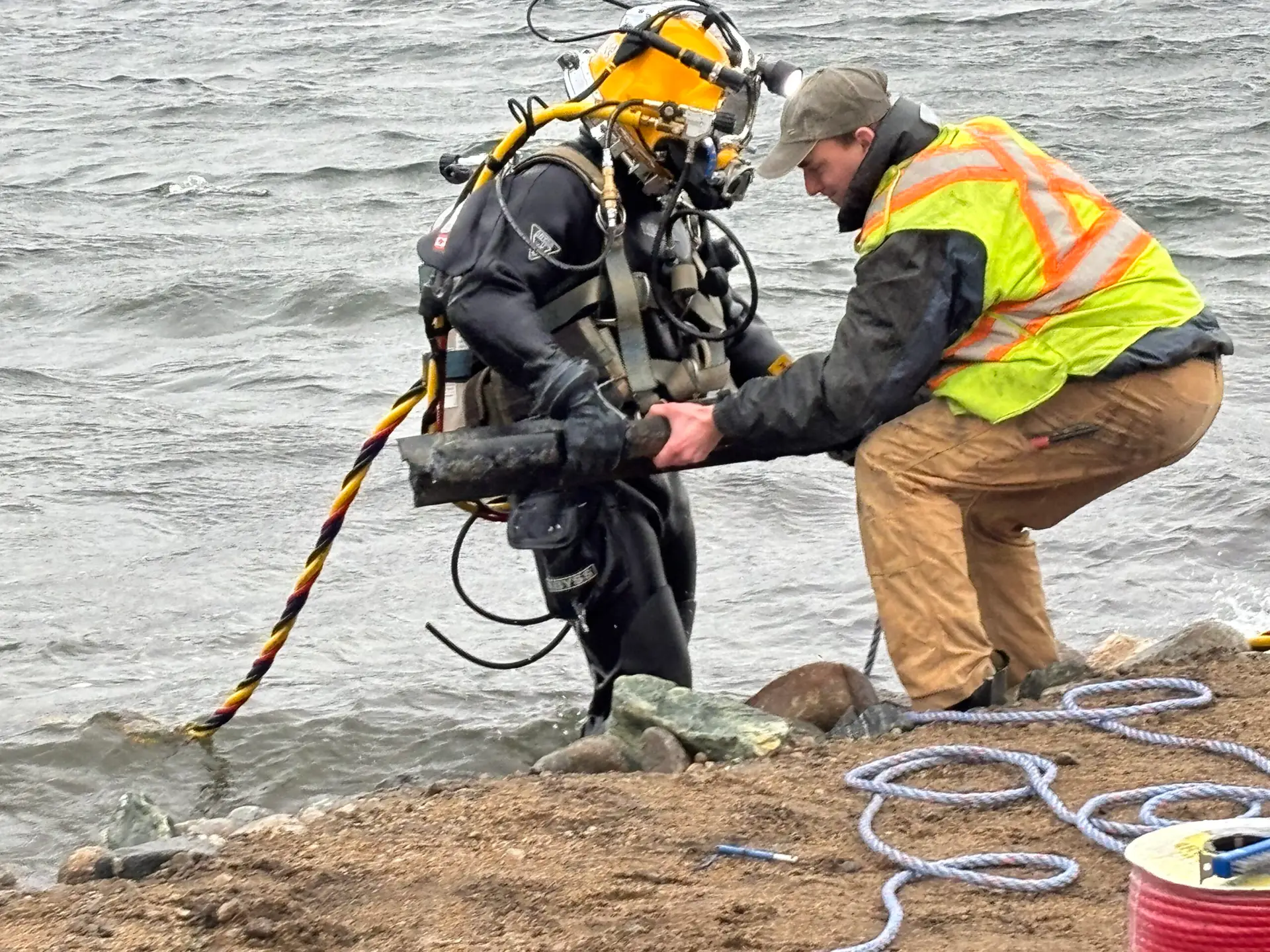
02↗Construction, installation & repair
Planned intervention can support anchors, clamps, guides, gates, screens, steelwork, concrete systems, hydraulic components and other engineered work packages, with tools and lifting coordinated around the dive mode.
 03↗
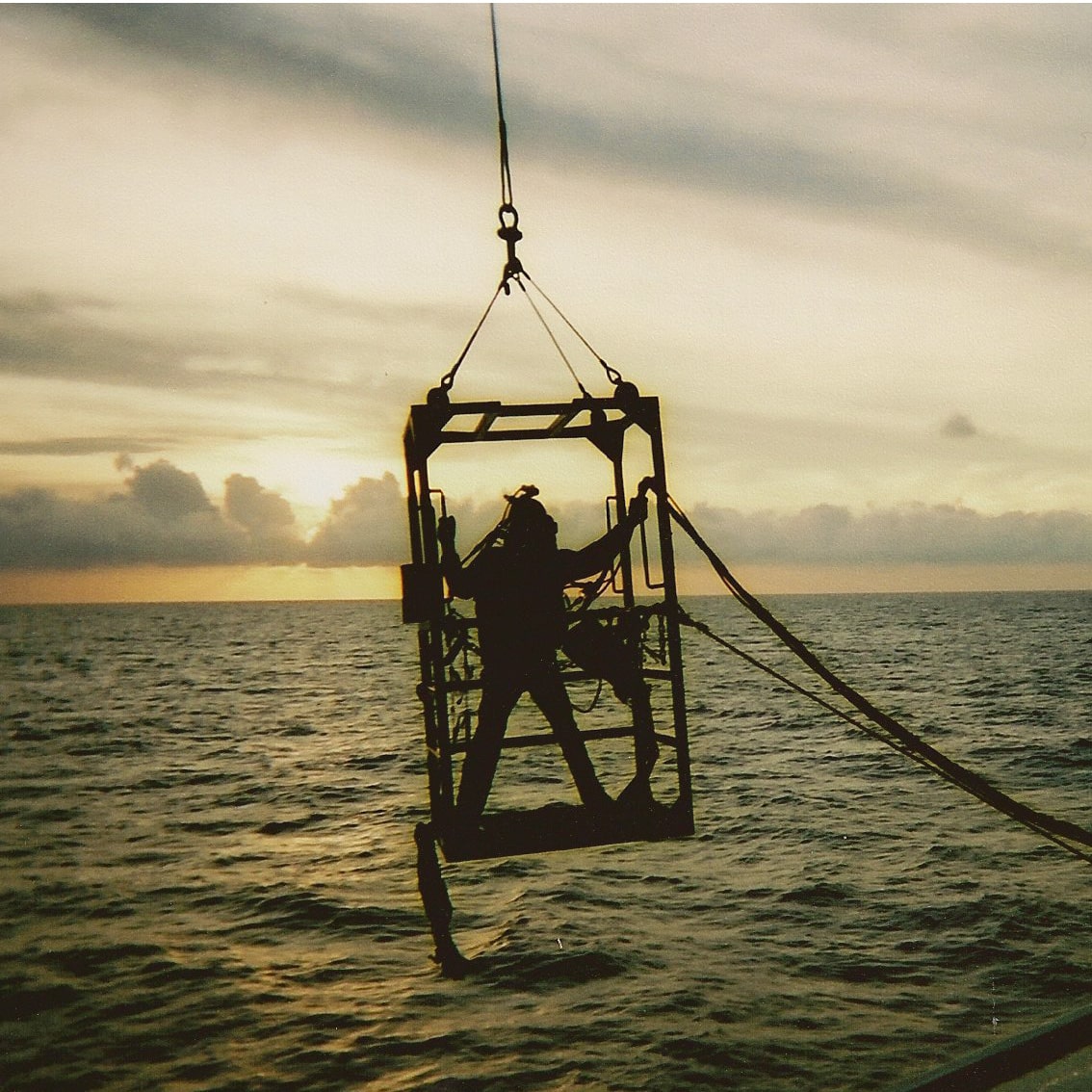
03↗Marine salvage & rigging
Survey, preparation, controlled rigging, cutting, recovery and post-work verification can be integrated for submerged assets, debris and equipment when the approved plan addresses load, stability and diver exposure.
 04↗
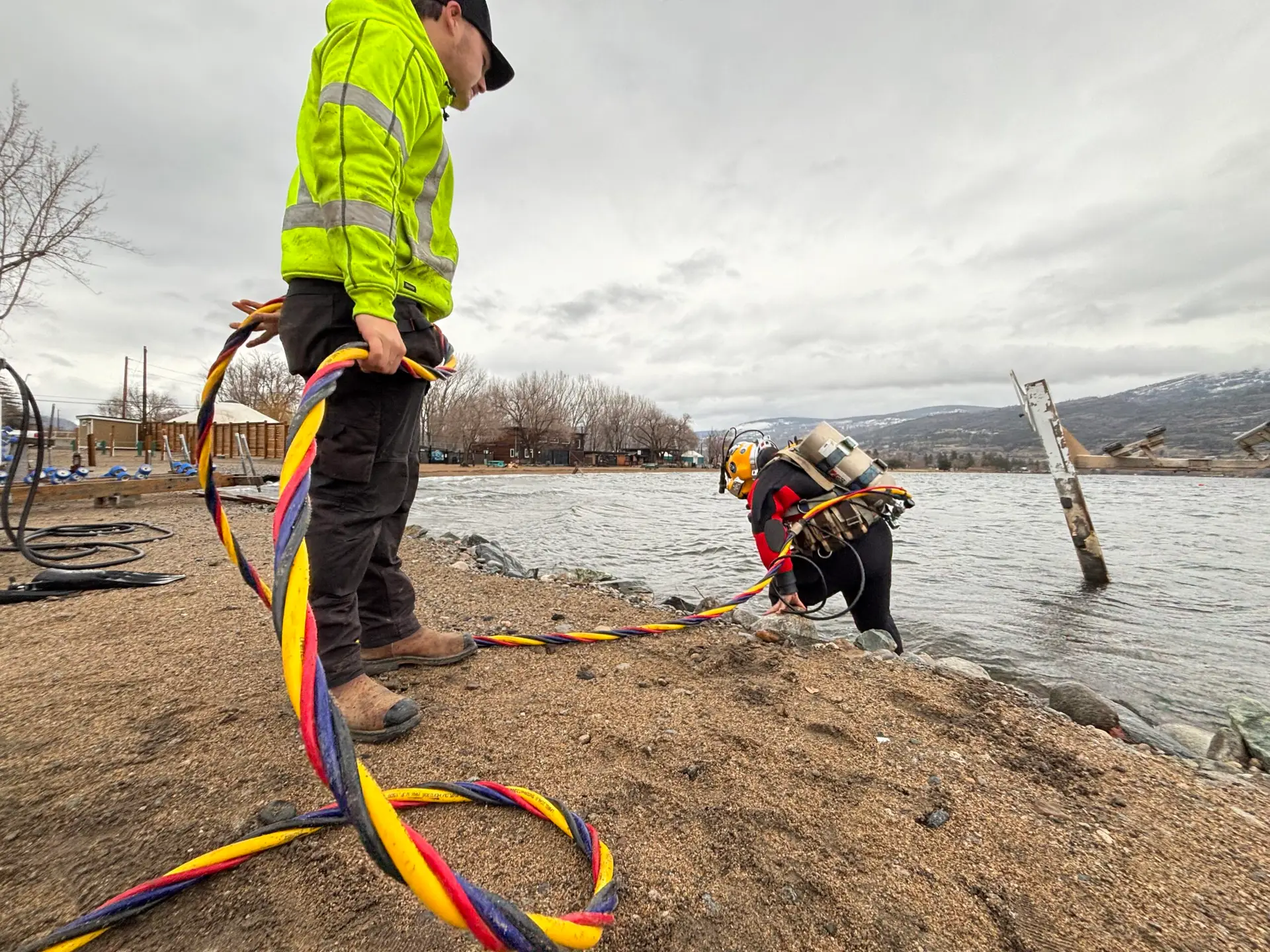
04↗Hydro, dam & intake assets
Penstocks, intakes, gates, trash racks, towers, spillways and associated structures can be investigated or serviced after water-control interfaces, differential pressure and operating boundaries are verified.
 05↗
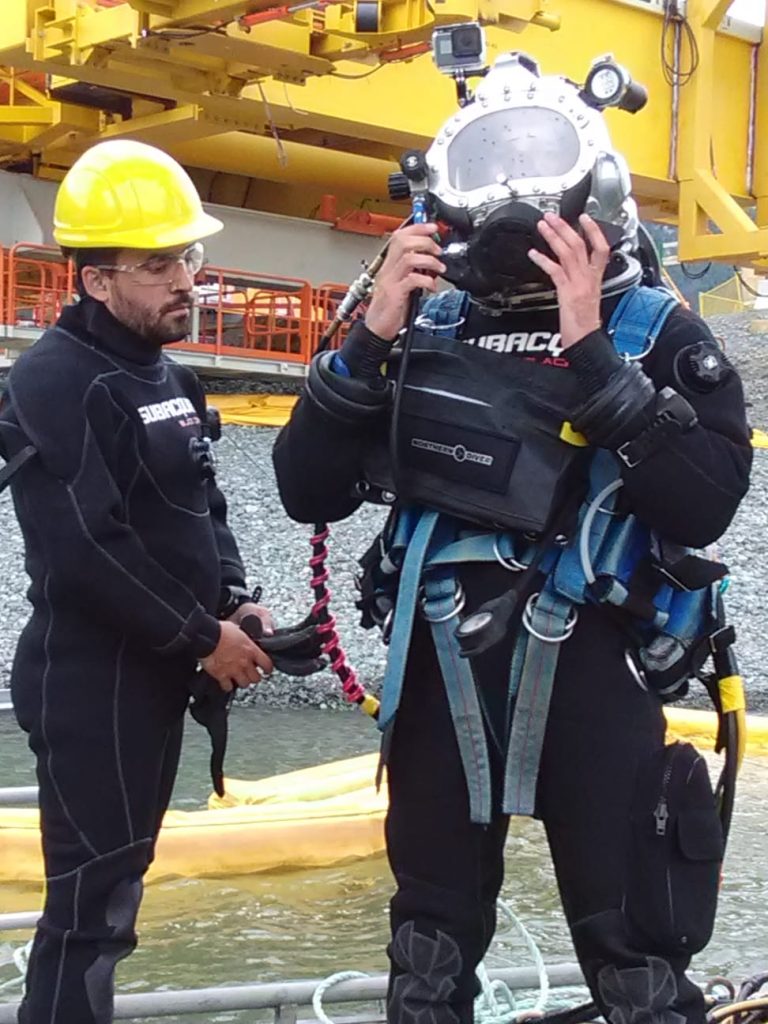
05↗Marine and industrial structures
Wharves, piles, caissons, outfalls, pipelines, crossings, terminals and process-water assets can be assessed using project-specific access, positioning, communications and evidence requirements.
 06↗
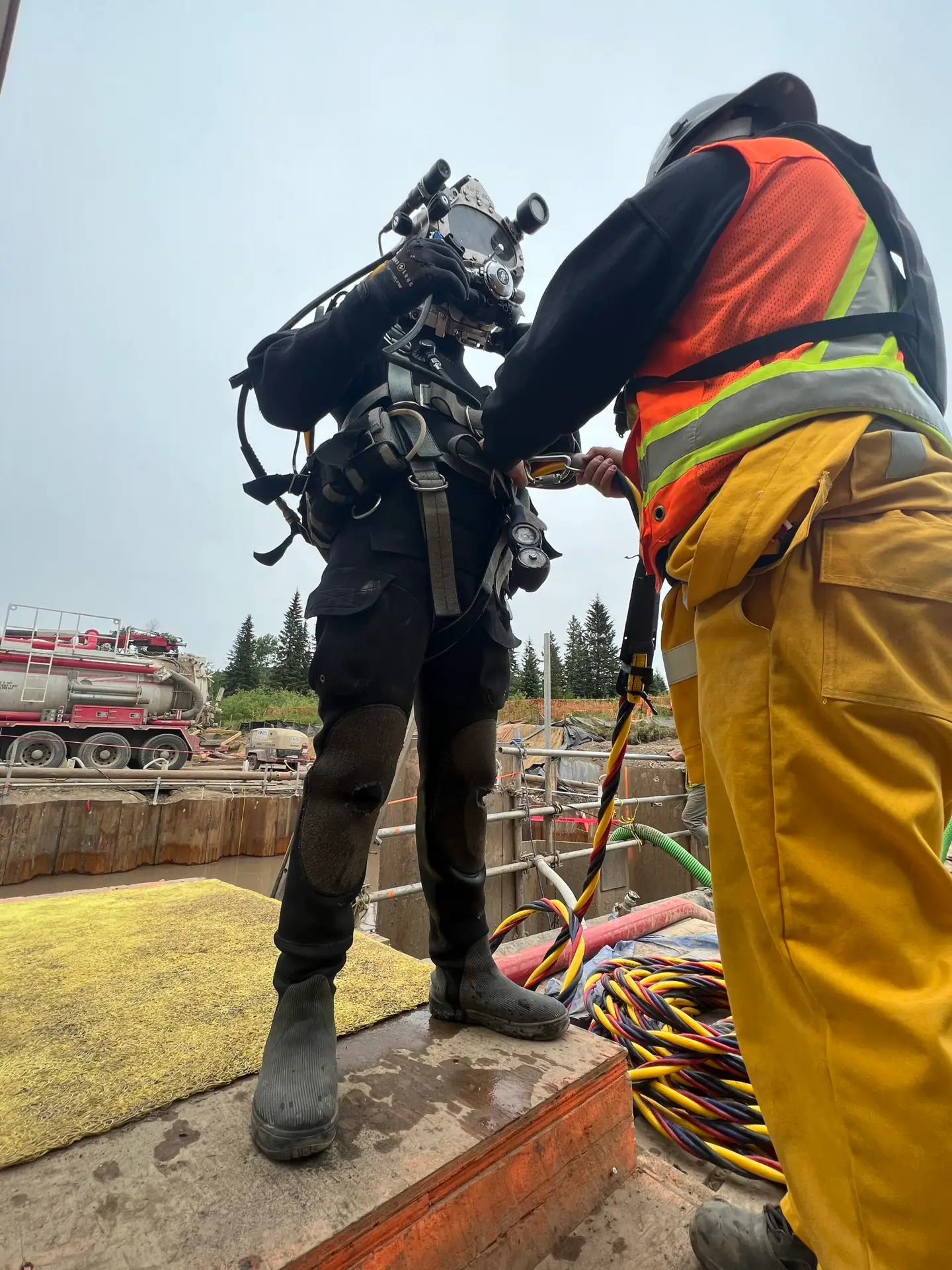
06↗Engineering-ready evidence
Live video, voice communications, reference-based imagery, measurements, marked-up observations and location indexing help convert a difficult dive into a record that supports maintenance and repair decisions.
Breathing-gas integrity
A gas plan is not
a cylinder label.
In Mixed Gas & Deep Air Diving, the approved composition must reach the diver at the required pressure, remain available through credible failures and stay connected to the decompression and treatment plan.
Primary, reserve and emergency sources are identified by purpose. Analysis, labelling, bank pressure, panel routing, valves, regulators, hoses, gauges, umbilicals and switch-over actions are verified before the dive. Mixed-gas work also requires the supervisor to maintain control of mixture, depth, time and supply throughout the operation.
- 01Documented gas source and analysis
- 02Primary, reserve and emergency allocation
- 03Verified delivery pressure and flow
- 04Controlled switching and lost-gas response
- 05Oxygen exposure and decompression basis
8-step project delivery
Authorize first.
Dive second.
The same sequence connects the owner’s objective to regulatory review, technical control, field execution and final evidence.
Define the owner decision
Confirm the asset, task, required evidence, anticipated depth, exposure, schedule, access, operational constraints and the technical authority responsible for accepting the result.
Establish the legal pathway
Review the jurisdiction, dive classification, notice requirements, authorization requirements, accepted procedures, personnel qualifications and records that must be available at the site.
Select mode, tables and gases
Use the approved basis to establish breathing-gas composition, decompression, oxygen exposure, ascent, transport, chamber and treatment requirements, including credible contingencies.
Build the project system
Match the surface-supplied spread, umbilicals, control panel, analyzers, communications, stage or bell, chamber, gas storage, tools and recovery equipment to the plan.
Verify people and responses
Complete briefings, role confirmation, gas checks, communications, chamber checks, standby-diver readiness and drills for lost gas, lost communications, fouling and medical response.
Control the live exposure
The supervisor monitors depth, time, gas supply, mixture, diver condition, environment and task progress while maintaining agreed hold points and stop-work authority.
Complete the selected schedule
Ascent, in-water or surface decompression, oxygen procedures, chamber transfer and post-dive observation follow the approved plan, applicable tables and current site conditions.
Issue the verified record
Compile logs, gas analysis, inspection data, video, measurements, findings, deviations, limitations and recommended follow-up into an indexed owner package.
Operating-system configuration
Air, nitrox or heliox.
One controlled basis.
Mixed Gas & Deep Air Diving is configured for the project. These capabilities do not replace the approved procedures, tables, authorizations or technical review required for a specific dive.
Deep air diving
A surface-supplied air mode may be considered only inside the current regulatory and procedural envelope for the specific depth, exposure and task. The plan must address narcosis, decompression, thermal load, communications, reserve and chamber requirements.
Nitrox operations
Nitrox can extend no-decompression options or reduce inert-gas loading in selected scopes, but oxygen exposure, maximum operating depth, analysis, labelling, cleanliness, compatible equipment, training and accepted procedures must remain controlled.
Heliox and other mixed gas
Where depth or operating conditions call for helium-based breathing gas, the project requires an approved mix, qualified personnel, competent procedures, reliable analysis, reserve strategy, decompression basis and any written authorization required by the jurisdiction.
Surface-supplied breathing-gas control
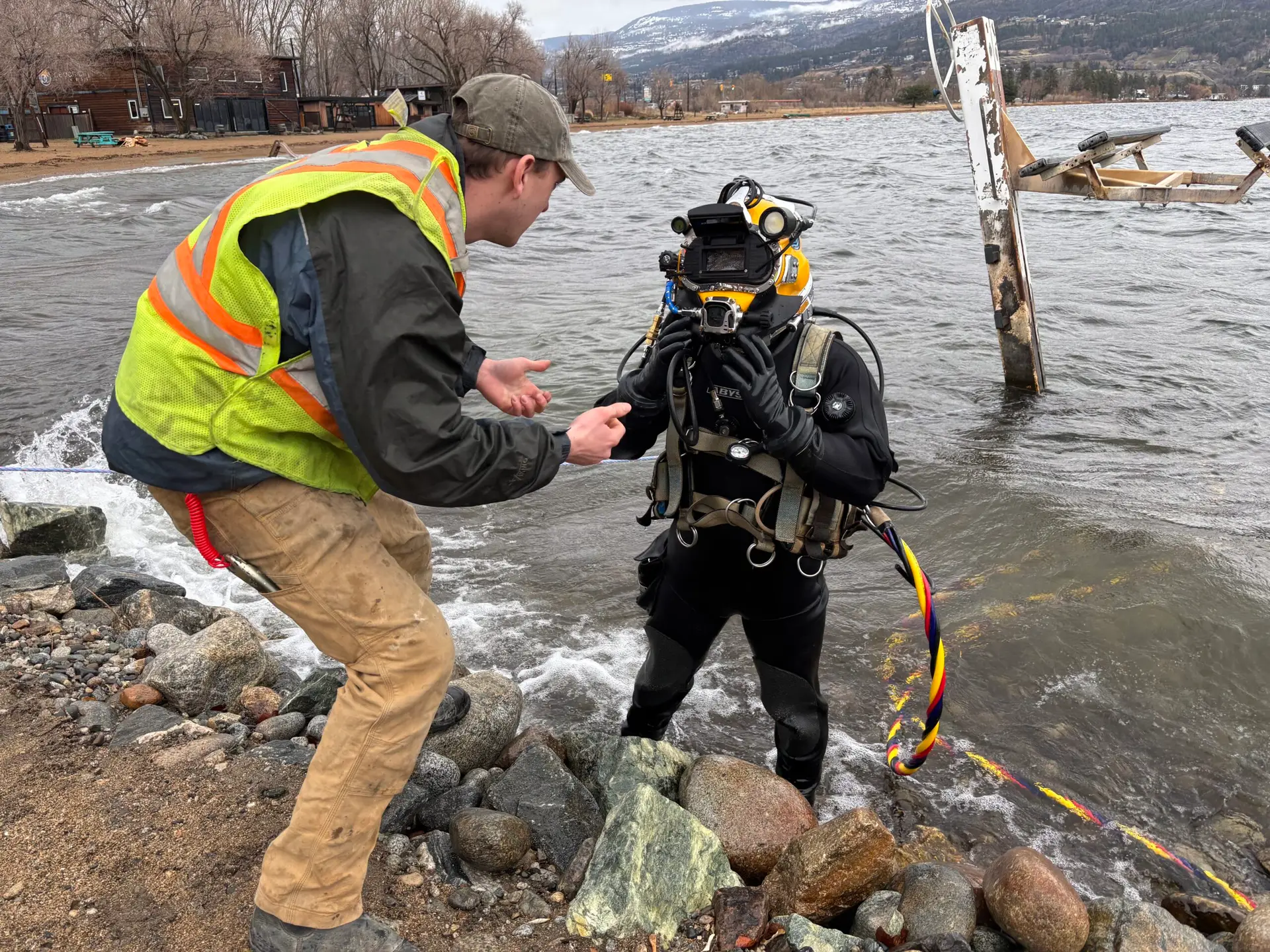
The diver remains connected through a breathing-gas umbilical with voice communications and monitored supply. Primary, reserve and emergency sources are identified, isolated, tested and managed from a controlled surface station.
Stage, bell or transfer system
The selected transport system depends on depth, ascent time, exposure and governing requirements. A stage, open bell or submersible compression chamber is configured only after the approved operating envelope is confirmed.
Standby and rescue capability
A properly equipped standby diver, attendants, recovery method, first aid, oxygen, evacuation communications and chamber or treatment arrangements are integrated with the actual site and foreseeable emergency scenarios.
Tooling and work interfaces
Hydraulic and pneumatic tools, NDT equipment, cameras, lights, rigging and cleaning systems are assessed for depth, gas mode, energy sources, entanglement, task loading, visibility and recovery.
Environmental and physiological controls
Temperature, current, visibility, contamination, altitude, fatigue, hydration, work rate, oxygen exposure and decompression stress are considered together rather than treated as isolated checklist items.
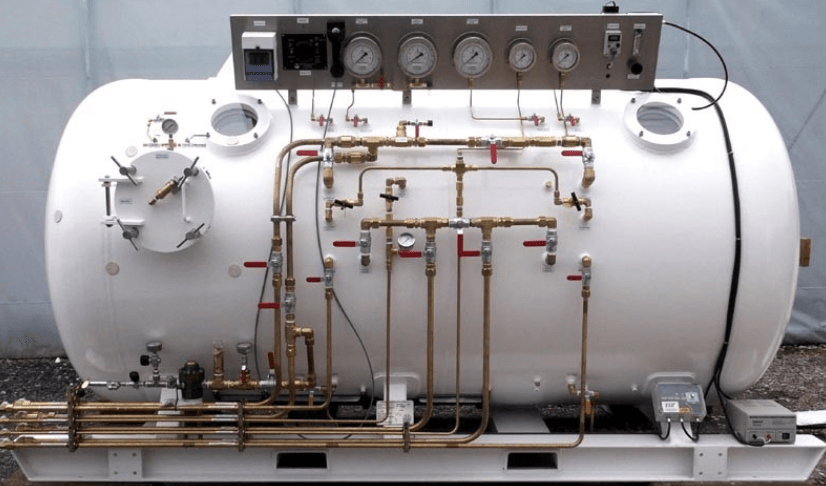
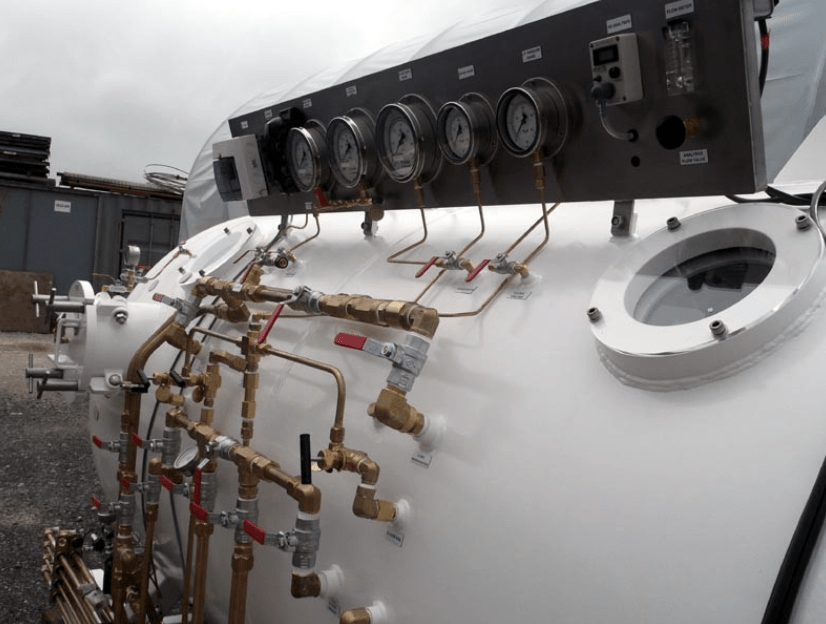
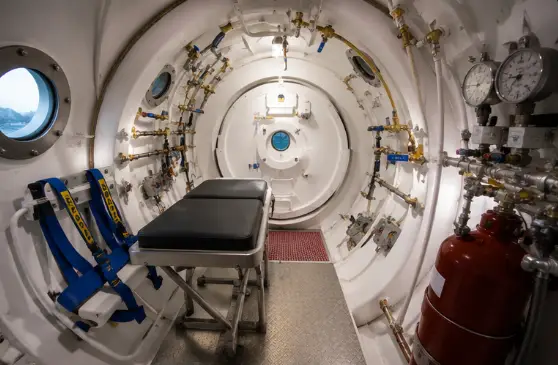
60-inch twin-lock diver decompression chamber
Chamber readiness.
Part of the dive plan.
For Mixed Gas & Deep Air Diving, Ven-Tech can configure a skid-mounted twin-lock chamber system as a standalone spread or within an integrated containerized arrangement, subject to the project’s documentation and acceptance requirements.
The chamber is reviewed as a life-support system, not a backdrop. The project check considers current certification, controls, communications, oxygen monitoring, built-in breathing systems, fire protection, primary and emergency air, electrical and heating arrangements, treatment gases, cleanliness, medical interface, operating personnel and transfer route.
Double-lock configurationViewports and internal communicationsControl panel and pressure monitoringOxygen monitoring and BIBS reviewPrimary and emergency air capacityProject-specific treatment readiness
Live operational control
See the diver.
Control the exposure.
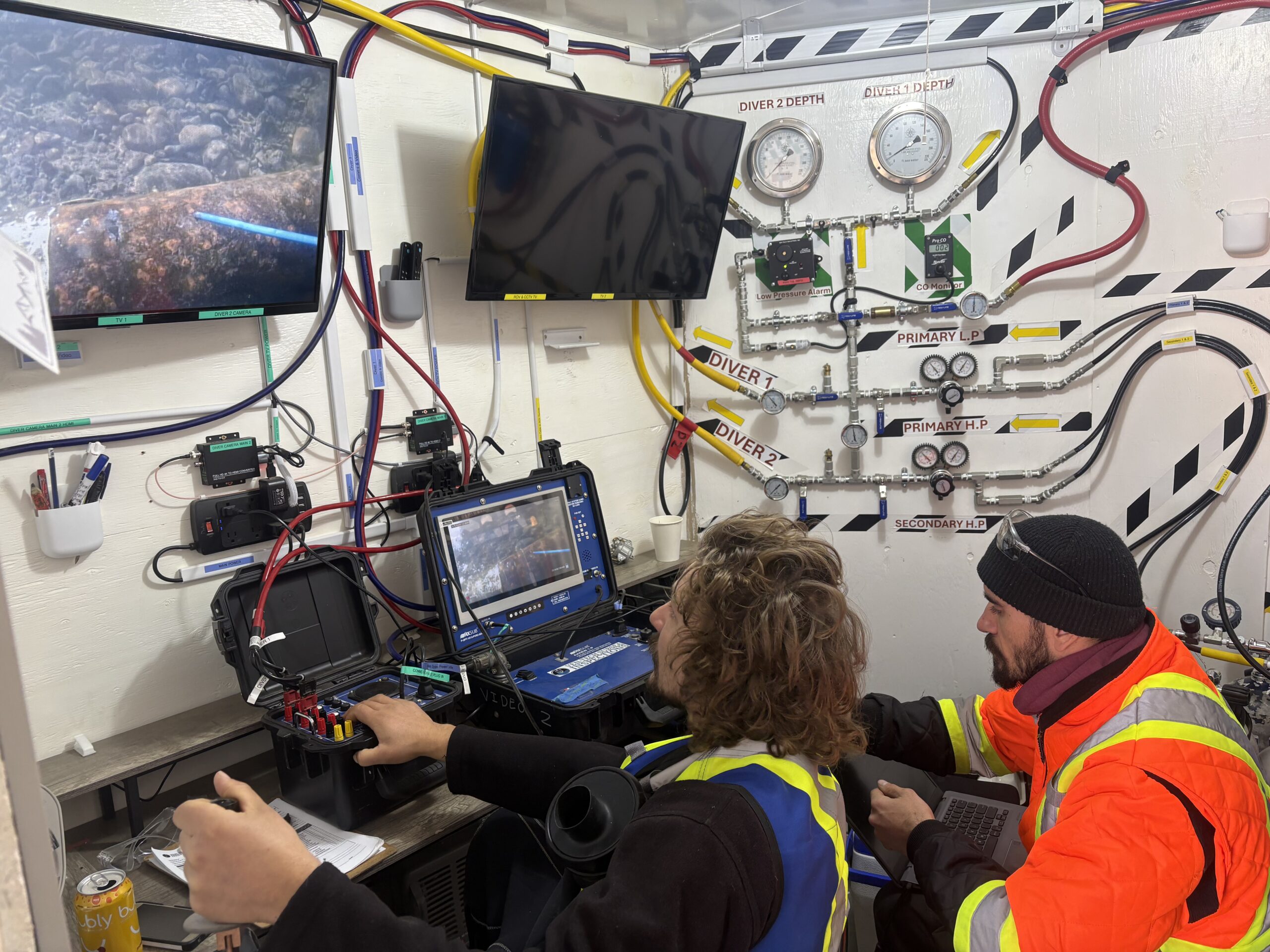
The supervisor needs an accurate, continuous picture of depth, time, breathing gas, diver condition, task progress and the environment.
Two-way voice communications, video, pneumo depth measurement, gas-panel information and team observations are combined at the dive control station. Planned hold points give the supervisor and owner clear opportunities to stop, reassess or change the task before the operating basis is exceeded.
Continuous depth and timeBreathing-gas pressure and mixtureTwo-way voice communicationsVideo and task observationStandby diver and recovery readinessWeather, current and site change
Project deliverables
Prove the operation.
Preserve the evidence.
Mixed Gas & Deep Air Diving records connect the approved operating basis, the live dive and the owner’s final technical decision.
Approved operating package
Scope, responsibilities, operating mode, accepted procedures, authorizations, tables, gas schedule, decompression basis, equipment configuration and hold points.
Personnel and system readiness
Qualification review, equipment checks, analyzer records, chamber checks, communications tests, reserve verification, briefings and emergency-role confirmation.
Breathing-gas records
Source, composition, analysis, identification, planned use, reserve allocation and applicable cylinder, bank or supply records connected to the dive.
Dive and decompression logs
Diver, supervisor, location, apparatus, breathing medium, depth, timing, schedule, decompression, unusual events and post-dive observations recorded as required.
Live inspection evidence
Recorded video, still images, voice annotation, measurements, NDT data, reference locations and task observations organized for efficient technical review.
Daily progress record
Completed work, environmental conditions, system changes, delays, hold points, owner interfaces, deviations and the approved plan for the next shift.
Findings and limitations
Observed condition, defect location, dimensions, access restrictions, visibility, coverage gaps and data limitations clearly separated from engineering conclusions.
Final closeout package
Indexed media, logs, gas and chamber records, completed locations, measurements, marked-up drawings, recommendations and outstanding actions in one traceable record.
Project environments
Deep access.
Critical assets.
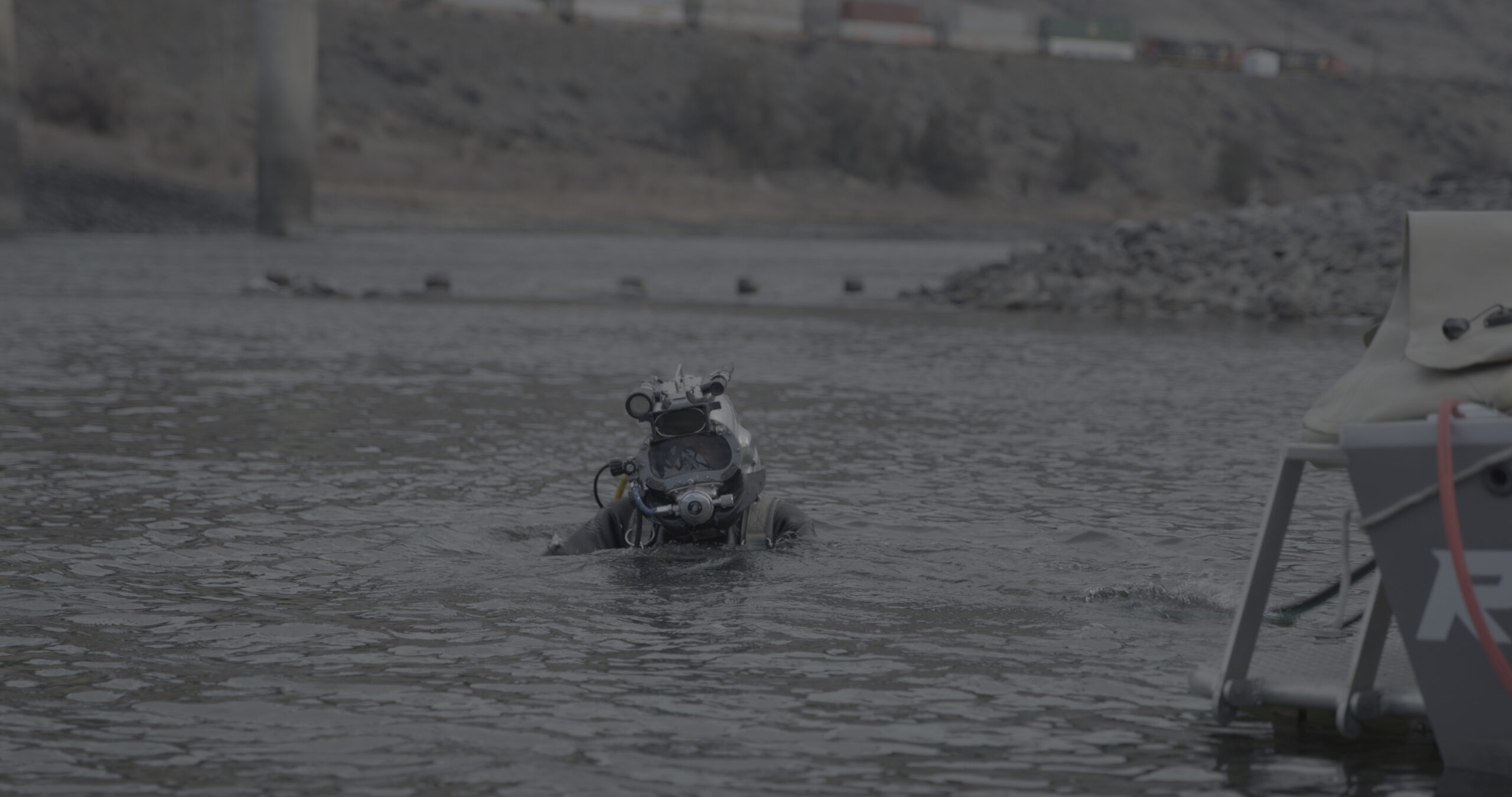
Ven-Tech supports municipal, hydroelectric, marine, industrial, energy and resource owners where difficult depth must still produce controlled work and usable evidence.
01Dams, intakes and penstocks↗
02Wharves, piles and caissons↗
03Outfalls and submerged pipelines↗
04Hydroelectric gates and screens↗
05Marine terminals and crossings↗
06Industrial water infrastructure↗
07Salvage and recovery sites↗
08Offshore and remote marine assets↗
About Ven-Tech Subsea
People, systems
and field capability.
The company video introduces Ven-Tech’s commercial-diving, inspection, robotics, construction and project-support capability. Every deep-air or mixed-gas scope is then developed around the actual asset, jurisdiction and operating conditions.
Discuss a deep-diving scope →HSE and regulatory basis
Qualified people.
Authorized procedures.
Mixed Gas & Deep Air Diving in British Columbia is governed by WorkSafeBC Part 24 and related requirements. Mixed gas other than nitrox requires acceptable procedures and prior written authorization; deep-diving provisions address surface-supplied gas, voice communications, chamber availability, transport and continuous supervisory control. Other jurisdictions and owner standards are reviewed separately.
BCCSA COR® CertifiedISNetworld Member ContractorISNetworld ESG BadgeAvetta ApprovedCognibox CertifiedAlcumus SafeContractorProject-specific dive planCompetent proceduresGas and chamber recordsStop-work authority
Mixed Gas & Deep Air Diving FAQ
Technical questions.
Clear boundaries.
These answers explain the planning and control principles behind a responsible deep-diving scope. Final limits and procedures remain project specific.
What is Mixed Gas & Deep Air Diving?+
Mixed Gas & Deep Air Diving describes specialized surface-supplied commercial-diving operations where depth, exposure or task demands require enhanced gas planning, decompression control, chamber readiness, communications, supervision and emergency arrangements. Mixed gas is a breathable mixture other than atmospheric air; the exact operating mode is selected for the project.
How is the breathing gas selected?+
Selection starts with depth, bottom time, workload, temperature, decompression, oxygen exposure, narcosis, equipment, personnel qualifications and emergency logistics. The approved procedures and applicable regulatory authorization determine whether air, nitrox, heliox or another accepted mixture is appropriate. A website description is never an operating authorization.
How deep can Ven-Tech divers work?+
There is no automatic depth limit created by this page. The permissible envelope depends on jurisdiction, current regulation, accepted tables and procedures, written authorization where required, equipment certification, chamber and transport arrangements, gas physiology, diver qualifications, task loading and the project risk assessment. Ven-Tech confirms that envelope during technical review.
Is a decompression chamber required?+
Chamber requirements depend on the depth, planned exposure, decompression method and applicable rules. Deep and mixed-gas work can require an approved double-lock chamber at the site, with tested controls, oxygen monitoring, built-in breathing systems, fire protection and adequate primary and emergency air. The exact configuration is verified for the project.
What is included in a mixed-gas dive plan?+
The package normally addresses scope, personnel, accepted procedures, authorization, breathing-gas composition, analysis, reserves, switching, oxygen exposure, decompression, stage or bell, chamber, communications, standby diver, emergency response, evacuation, treatment, tooling, environmental conditions, hold points, reporting and closeout.
Can mixed-gas divers perform inspection and NDT?+
Yes, when the diver qualifications, equipment, procedure and project authorization support the work. A scope can include close visual inspection, measurements, cathodic-protection readings and approved NDT methods. Findings and limitations are documented for the owner or engineer; engineering conclusions remain with the responsible professional.
How is breathing gas verified before a dive?+
Gas sources are identified, analyzed with suitable equipment, recorded and connected to the planned supply path. The team verifies labels, valves, pressures, analyzers, primary and reserve sources, umbilicals and switching arrangements. The supervisor continues to monitor the supply and mixture during the operation as required.
What should I send for a Mixed Gas & Deep Air Diving proposal?+
Send the asset and location, water depth, task, drawings, inspection history, desired bottom time, access, water temperature, visibility, current, elevation, operational constraints, isolation, contamination information, schedule, owner standards, required evidence and emergency logistics. Ven-Tech can then identify information gaps and define the next responsible planning step.
Bring us the depth, task and constraints
Plan the exposure.
Deliver the work.
Send the asset information, water depth, required task, access, operating conditions, schedule, owner standards and required evidence. Ven-Tech will review the Mixed Gas & Deep Air Diving scope and define the next responsible technical step.