PACP condition coding
Standardized observations, defect classification and structured records prepared for the agreed inspection scope and asset-management workflow.
CCTV · sonar · LiDAR · robotics
Ven-Tech Pipe Services combine PACP-certified assessment, robotic crawlers, CCTV, pipe-profiling sonar, LiDAR, confined-space drones and 3D modelling to document critical pipeline condition across Canada.
Inside the infrastructure
Professional Pipe Services begin by understanding the system—not by forcing one crawler into every line.
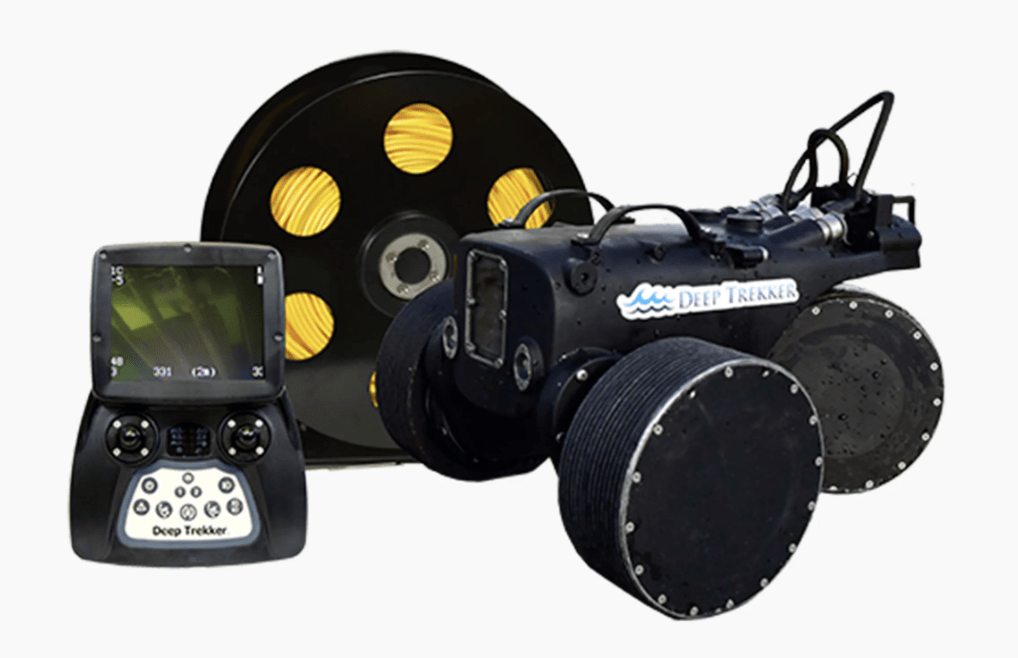
Ven-Tech supports potable-water, wastewater, stormwater, fire-suppression, industrial, hydroelectric, marine and utility pipe assets. The appropriate method may be a conventional CCTV crawler, magnetic crawler, confined-space drone, ROV, imaging sonar or LiDAR platform.
Our team connects isolation planning, equipment configuration, controlled field execution, defect classification and reporting into one workflow. This provides owners, municipalities and engineers with a clearer record of what was inspected, what was observed, where it was found and what should happen next.
Pipe Services capabilities
Each inspection method is selected around pipe condition, geometry, contents, visibility, access and the evidence your team needs.
 01↗
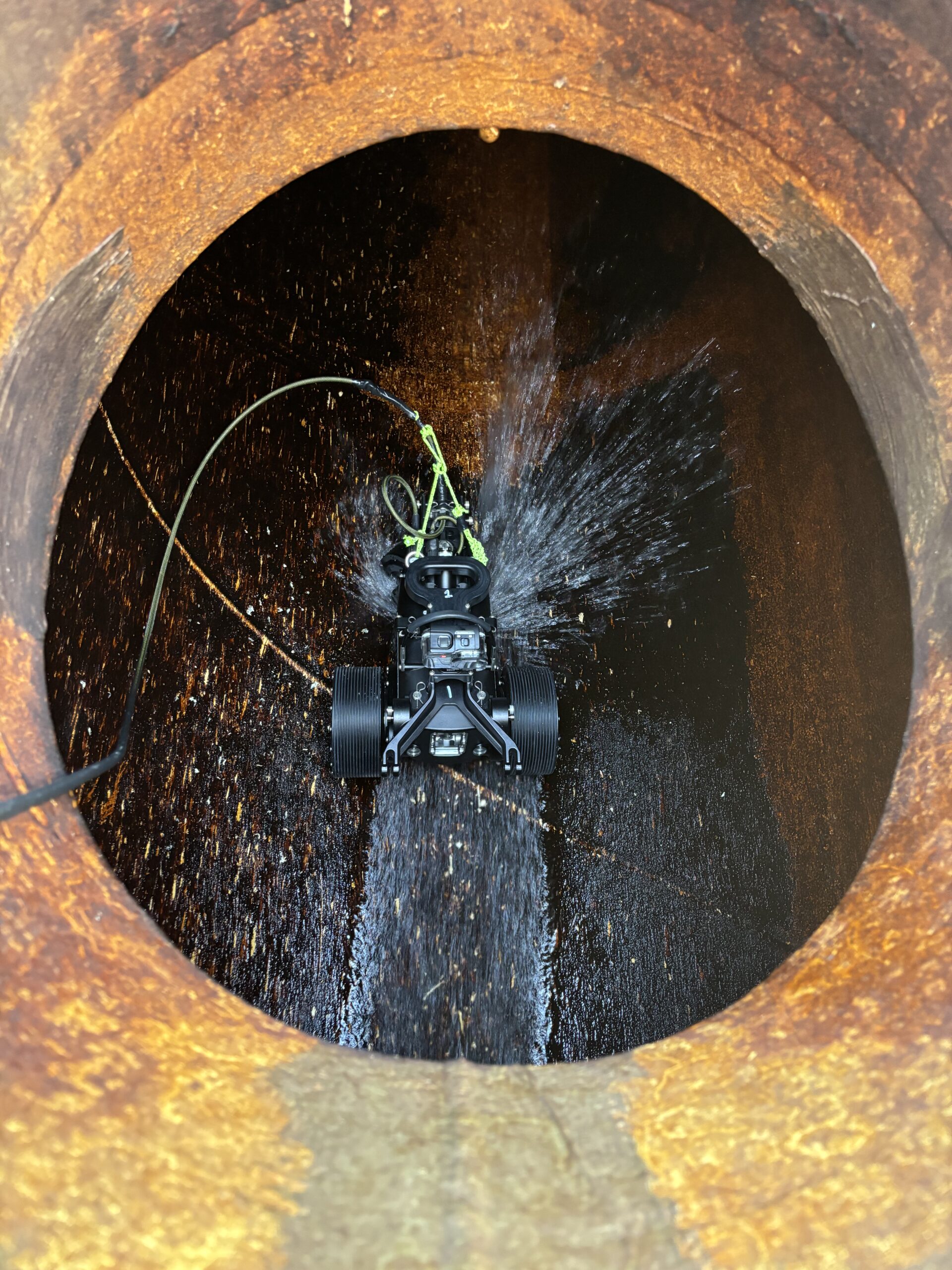
01↗High-definition internal video, pan-and-tilt review, laser scaling and distance tracking for wastewater, stormwater, water, utility and industrial pipelines.
Explore capability →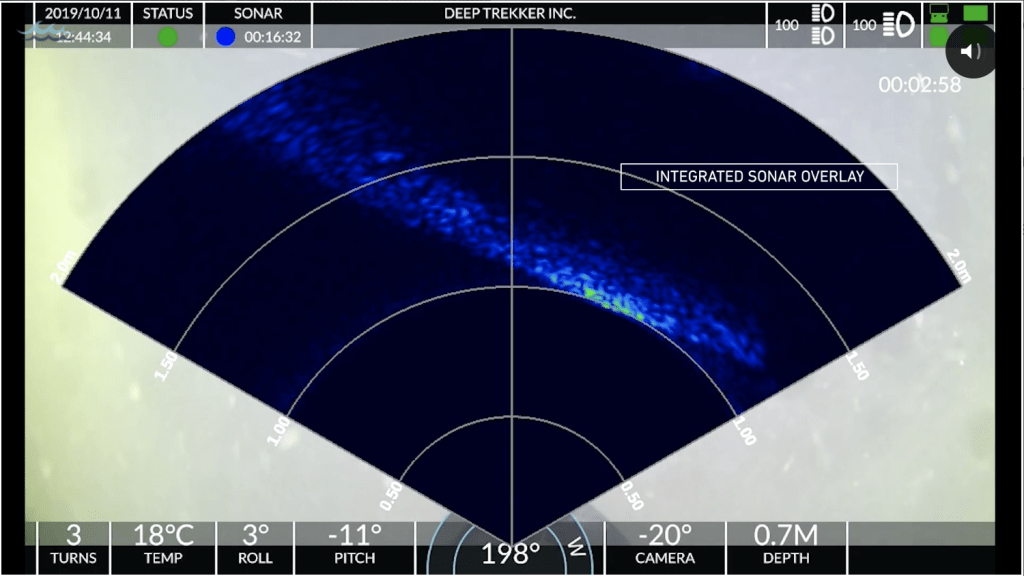 02↗
02↗A 360-degree acoustic profile documents submerged pipe geometry, ovality, sediment, obstruction and major internal changes where cameras cannot see clearly.
Explore capability →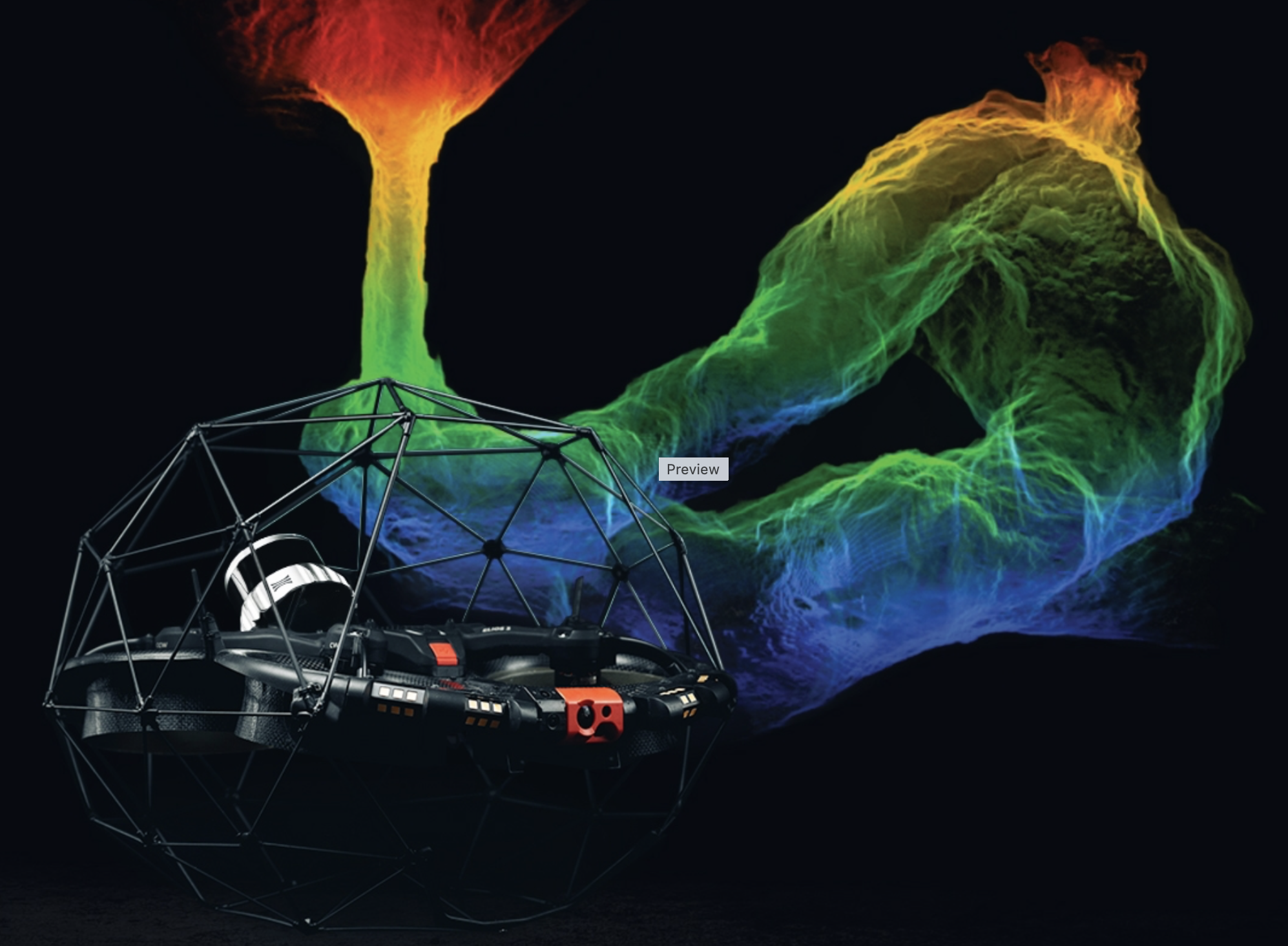 03↗
03↗LiDAR-capable platforms capture suitable dry pipes, vaults and large internal spaces as measurable point clouds for geometry, clearance and condition review.
Explore capability →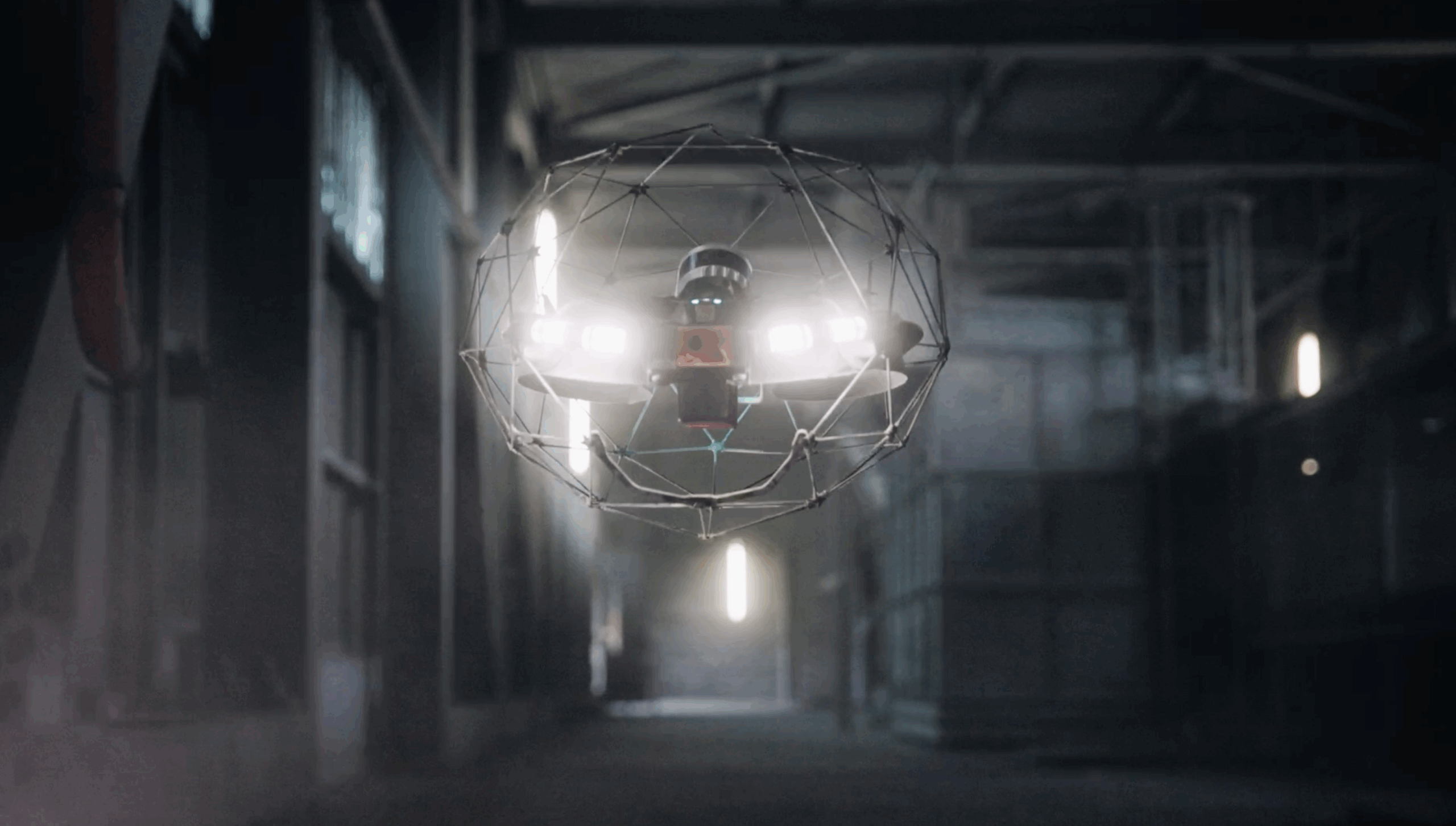 04↗
04↗Collision-tolerant drones and robotic systems inspect suitable culverts, shafts, chambers and restricted pipe environments while reducing unnecessary personnel entry.
Explore capability →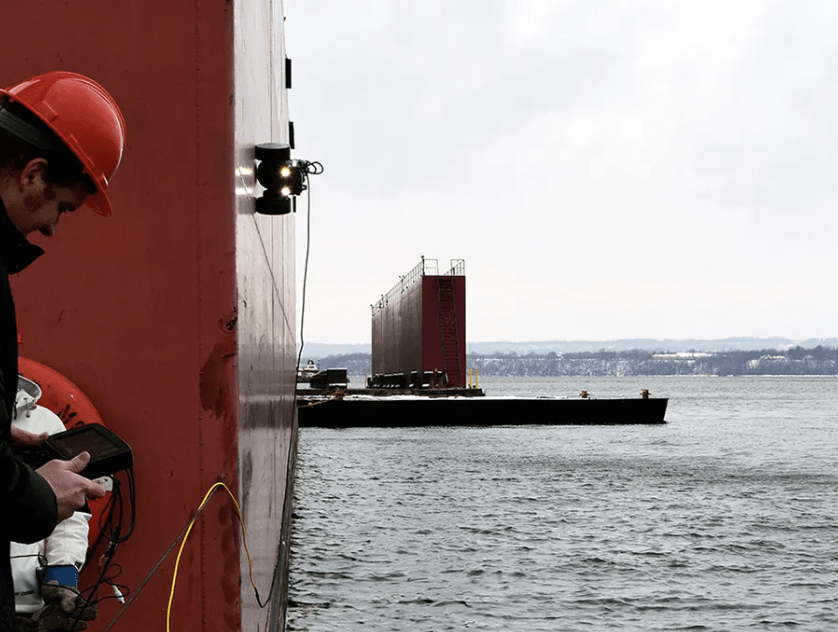 05↗
05↗Magnetic robotic platforms maintain contact on suitable ferrous walls, tanks and pipe surfaces for close visual review, cleaning support and sensor deployment.
Explore capability →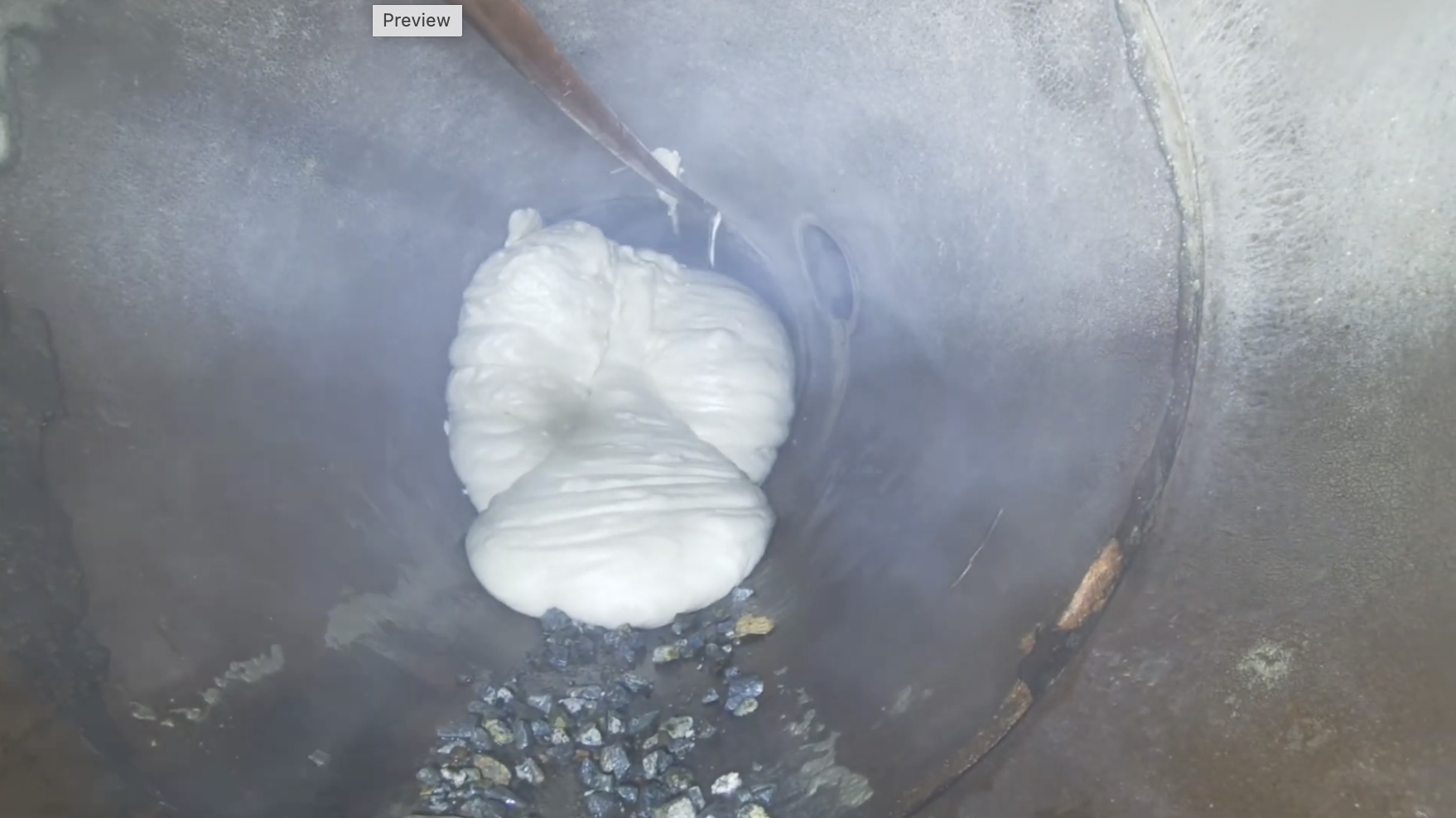 06↗
06↗Remote sealing methods address suitable infiltration points, joints and defects with a smaller excavation footprint and visual verification of completed work.
Explore capability →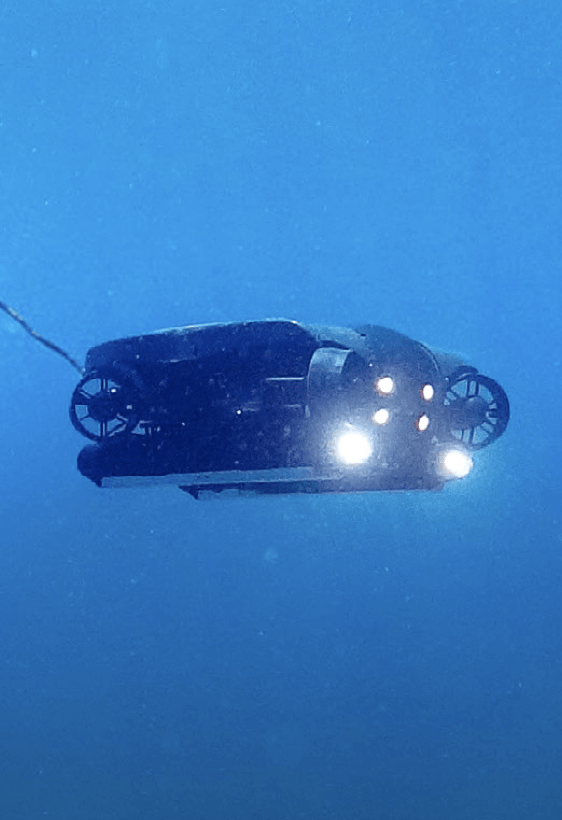 07↗
07↗ROVs, sonar and underwater cameras support intakes, outfalls, transmission lines, flooded conduits and other submerged pipe assets where access is difficult.
Explore capability →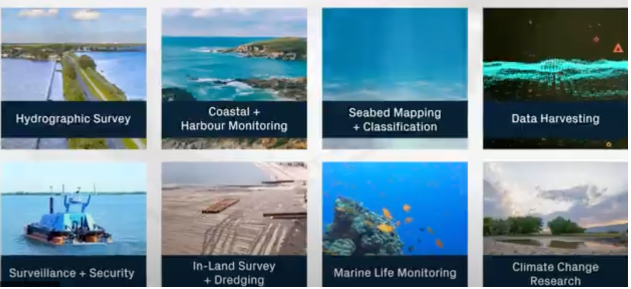 08↗
08↗Photogrammetry, LiDAR and referenced inspection media can create measurable models, point clouds and repeatable records for engineering and maintenance decisions.
Explore capability →Inspection intelligence
Useful Pipe Services connect imagery, distance, geometry, coding and asset references so each observation can support a practical maintenance or engineering decision.
Inspection deliverables
Pipe Services outputs are structured for the people responsible for asset condition, maintenance, rehabilitation, budgets and regulatory documentation.
Standardized observations, defect classification and structured records prepared for the agreed inspection scope and asset-management workflow.
Continuous or section-based video with distance references, observations, still captures and coverage notes for efficient review.
Acoustic profiles and selected measurements that reveal sediment, obstruction and geometry in submerged or low-visibility pipe sections.
Measured spatial datasets for suitable dry pipes, culverts, chambers and vaults, delivered in project-agreed coordinate and file formats.
Photogrammetric meshes, textured models and measurement-ready visualization for suitable defects, structures and confined environments.
Coordinates, asset references, defect locations and agreed tabular or spatial formats for engineering and municipal information systems.
Clear observations, severity context and recommended follow-up categories to support maintenance, rehabilitation or further investigation.
Methods, equipment, coverage, limitations, findings and media references organized into a clear project record.
Pipe Services in operation
Both original Ven-Tech pipe videos are retained here to show the inspection equipment and field process in real operating environments.
NASSCO PACP reporting
Standardized reporting makes inspection evidence easier to review across assets, years and maintenance programs.
Ven-Tech provides PACP-capable pipe assessment and reporting for applicable projects. The inspection plan confirms the coding requirement, asset references, survey direction, distance basis, media, observations and required database or report format before field work begins.
Pipe Services workflow
Remote inspection reduces some access demands, but pipe work still depends on system ownership, isolation, contents, atmosphere, retrieval planning and a clearly defined return-to-service boundary.
Review Ven-Tech HSE ↗Identify the system, material, diameter, access, operating status, known hazards, required coding, measurements and deliverables.
Confirm ownership, pressure, flow, electrical and mechanical energy, valves, product, contamination and return-to-service boundaries.
Match crawler, camera, sonar, LiDAR, UAS, ROV, tether, wheel or track configuration and retrieval method to the pipe.
Monitor live media, distance, sensor performance and vehicle status while checking image quality and required areas before demobilization.
Review footage, code defects where included, align locations, retain limitations and connect imagery to the asset record.
Issue the agreed report, video, imagery, models and data package for maintenance, engineering, compliance or rehabilitation planning.
ATHENA™ operational support
ATHENA supports the workflow around Pipe Services by connecting project intake, HSE planning, field observations, inspection media, quality checks and organized client deliverables. Technology supports professional judgment; it does not replace verified field evidence or engineering review.
TACTICAL PROJECT SUPPORT
Keep the inspection question, worksite controls, media, findings and final report connected through one coordinated operational workflow.
Explore ATHENA ↗Pipe assets we inspect
Ven-Tech Pipe Services support public, industrial, energy and marine organizations responsible for reliable flow, containment and long-term infrastructure performance.
Pipe Services FAQ
These answers provide a starting point. Equipment, access, isolation, coding, HSE measures and deliverables are confirmed for the actual pipe system.
Ven-Tech Pipe Services include CCTV crawler inspection, PACP condition reporting, pipe-profiling sonar, dry-pipe LiDAR, confined-space robotic inspection, magnetic crawler work, submerged pipe inspection, 3D modelling and suitable trenchless sealing support.
Pipe diameter is only one selection factor. Access opening, bends, reducers, flow, slope, surface condition, debris, water level, tether distance and retrieval options also determine which camera, crawler, drone, sonar or ROV can be used. Ven-Tech confirms suitability after reviewing the actual system.
PACP is a standardized pipeline assessment and certification framework developed by NASSCO. When PACP reporting is included, observations are coded and organized using the applicable program requirements so owners can compare defects and support asset-management decisions.
Yes, for suitable scopes. A submerged crawler or ROV can use cameras and pipe-profiling or imaging sonar. Sonar is particularly useful where turbidity or darkness prevents reliable optical inspection. The selected method depends on pipe geometry, access, flow and required resolution.
LiDAR can map suitable dry or sufficiently clear internal environments, including large pipes, culverts, vaults and chambers. It can produce point clouds and measurements, but line of sight, surface reflectivity, moisture, dust, access and platform stability affect the result.
Often, yes. Remote platforms may collect the required initial visual or spatial evidence without personnel entry. The asset still requires isolation, atmospheric, access and retrieval planning appropriate to the work, and any required entry remains subject to the client program and applicable regulations.
Depending on the scope, deliverables can include indexed video, still images, PACP coding, observation logs, sonar profiles, defect locations, LiDAR point clouds, 3D models, GIS-ready data and a PDF report with methods, limitations and recommended next actions.
Provide the pipe purpose, material, diameter, length, location, access points, bends or changes in size, operating status, known hazards, water or product level, previous reports, required coding or measurements, schedule and desired deliverables.
Start with the pipe system
Send the pipe purpose, material, diameter, length, access, operating status, known conditions, schedule and required deliverable. Ven-Tech will help define a practical inspection approach.