The owner, engineer or corrosion specialist establishes the asset, exposure, reference electrode, test locations, design basis and acceptance criteria.
UNDERWATER CATHODIC PROTECTION · CANADA
Underwater cathodic protection.
Measure. Protect. Verify.
Underwater Cathodic Protection surveys, anode inspection, approved installation and commissioning support for marine structures, tanks, pipelines and critical submerged steel.
SURVEYTraceable potential data
INTERVENEApproved anode work
VERIFYCommissioning records
Corrosion control below the waterline
Potential is data.
Condition is context.
Underwater Cathodic Protection performs best when electrical measurements, physical condition, operating status and engineering intent are reviewed together.
Cathodic protection controls corrosion by making the protected metal the cathode of an electrochemical cell. Galvanic systems use sacrificial anodes; impressed-current systems use an external DC source. Both must be matched to the asset, coating, electrolyte, geometry, current demand and required service life.
Ven-Tech supports owners, engineers and corrosion specialists with field investigation, potential surveys, diver and ROV inspection, cleaning, measurements, anode installation, component repair and commissioning evidence. The team works to the approved design and project criteria; it does not substitute a field reading for engineering interpretation.
The result is a practical Underwater Cathodic Protection record that connects what was measured, what was visible, what was installed and what still requires a technical decision.
Calibrated field dataEngineered installationReviewable closeout
Water chemistry, coating, system energization, nearby structures, bonds, shielding and temporary operating states can affect readings and interpretation.
Depth, current, visibility, marine growth, energized equipment, vessel traffic, confined access and differential pressure shape the field method.
Calibration, locations, time, system status, imagery, observations and limitations are captured so results can be compared and reviewed.
Underwater Cathodic Protection capabilities
Survey the system.
Intervene with control.
Each service is configured around the protection objective, approved criteria, actual submerged condition and evidence the owner needs.
 01↗
01↗Baseline potential surveys
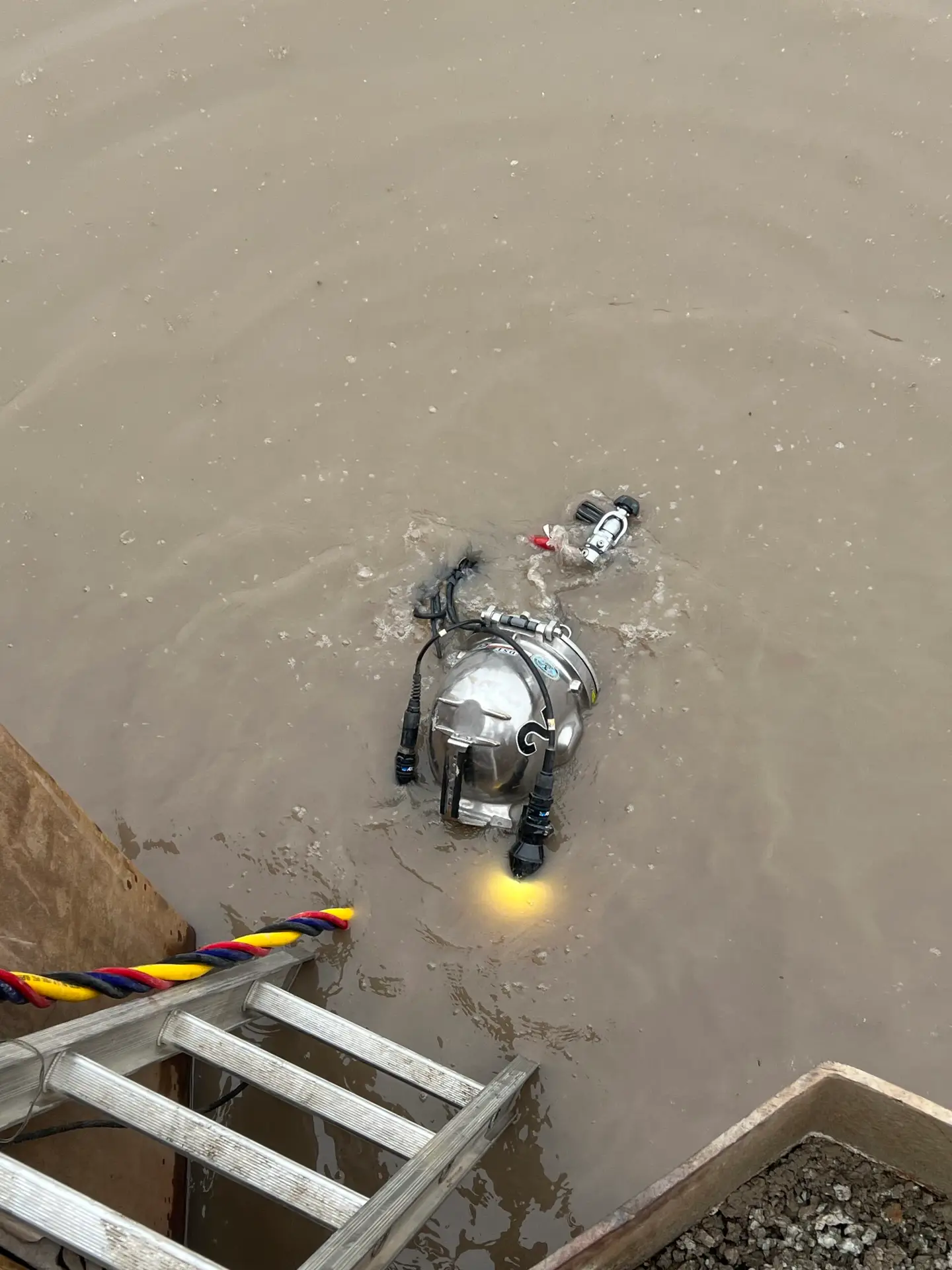
Underwater Cathodic Protection surveys collect repeatable potential readings at defined locations using the project-specified, calibrated reference electrode. Water conditions, system status, access and acceptance criteria are recorded so the owner or corrosion specialist can interpret the data responsibly.
 02↗
02↗Sacrificial-anode inspection
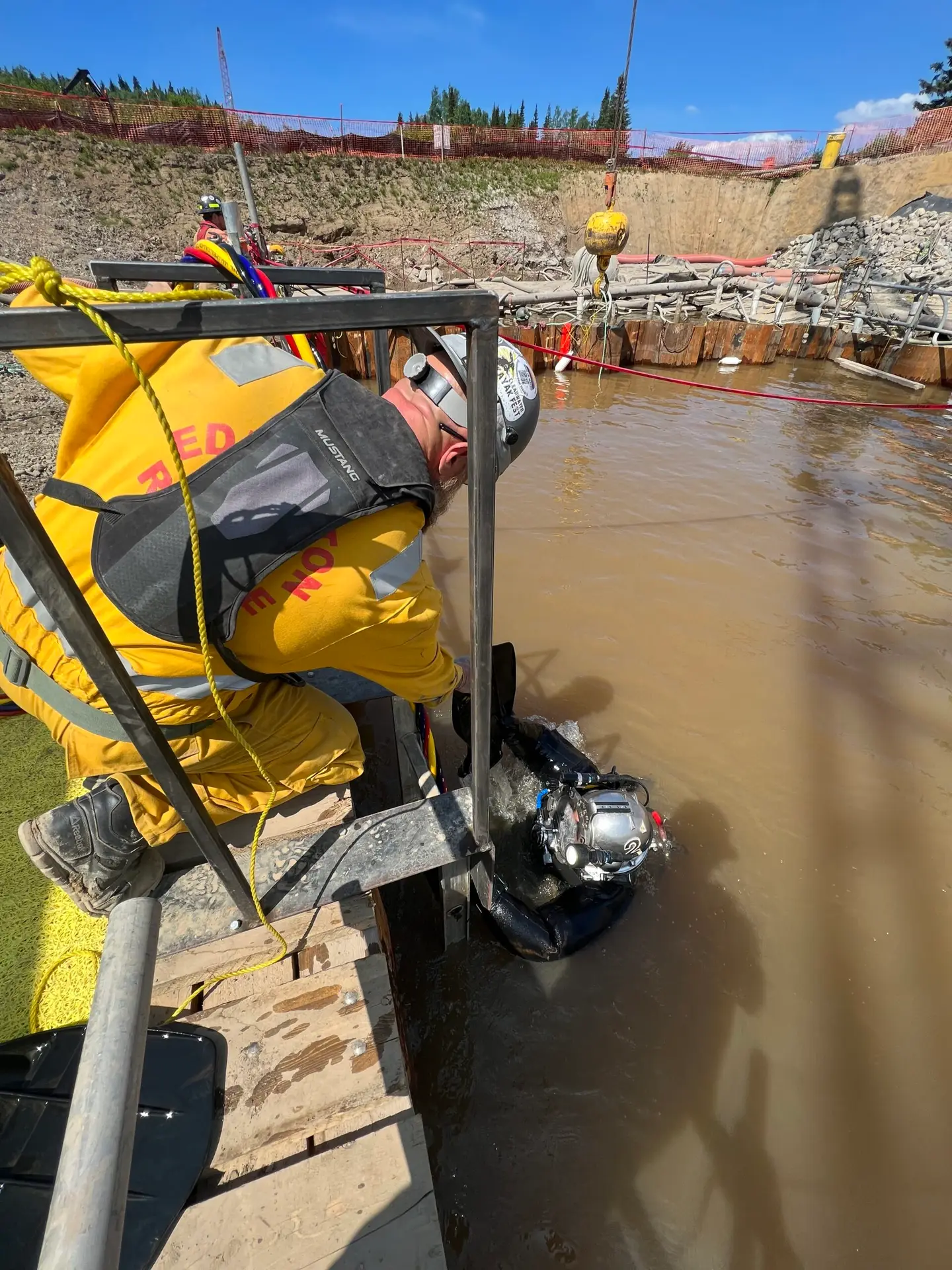
Divers or ROVs document anode location, attachment, consumption, damage, fouling and apparent remaining condition. Measurements, scale references and indexed imagery help establish an anode inventory and identify areas requiring engineering review.
 03↗
03↗Coating and steel condition
Cleaning and close visual inspection can document coating breakdown, corrosion, deposits, mechanical damage, welds and exposed steel. Findings are correlated with potential readings rather than treated as a stand-alone protection conclusion.
 04↗
04↗ICCP component inspection
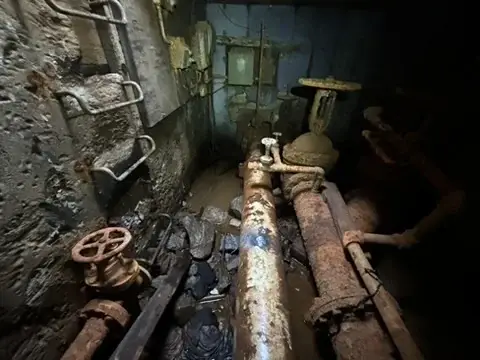
Underwater inspection can assess accessible impressed-current anodes, reference electrodes, cables, conduits, penetrations, attachments and visible damage. Topside rectifier, control and electrical testing is coordinated with qualified system personnel.
 05↗
05↗Anode installation and retrofit
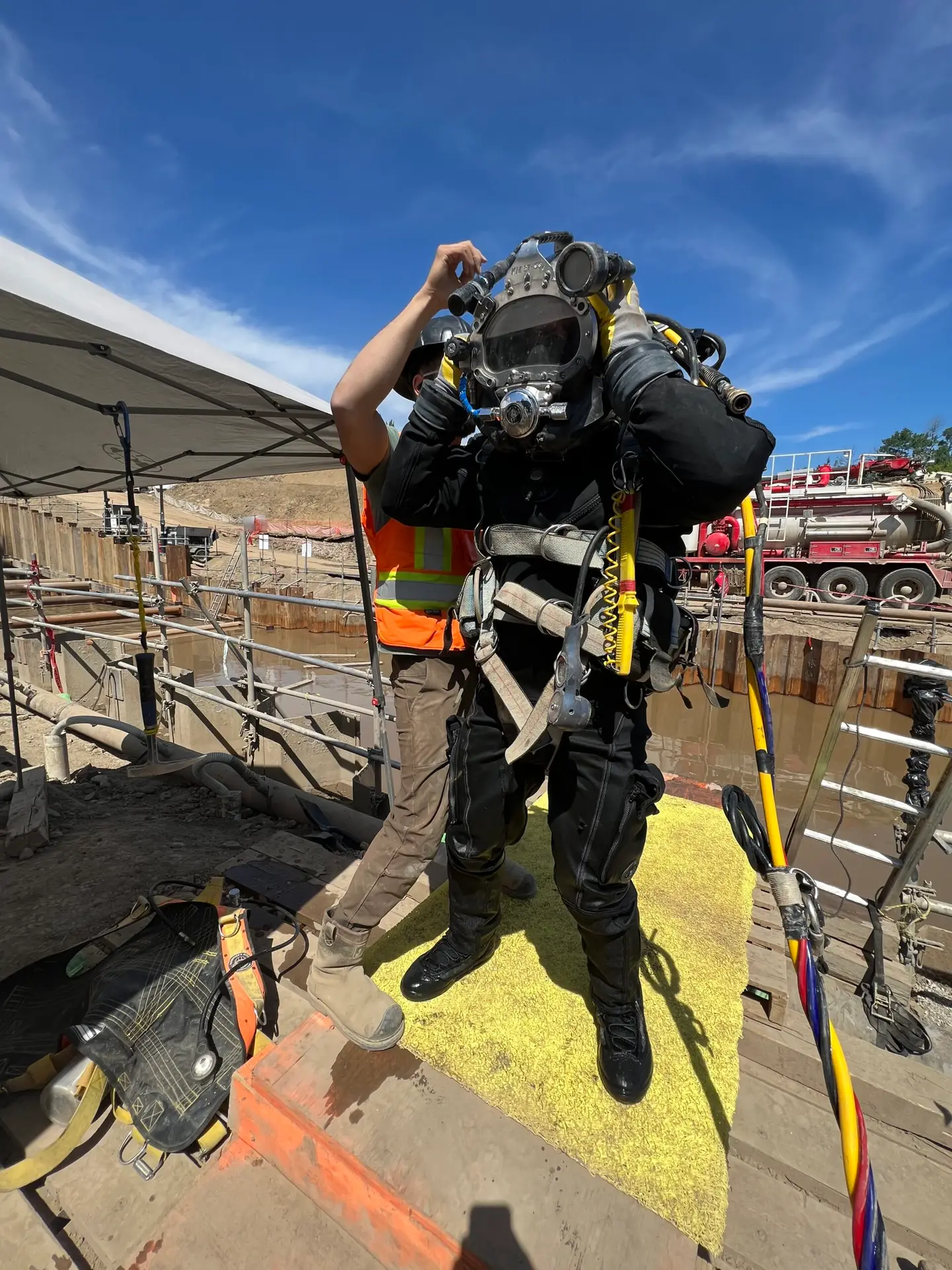
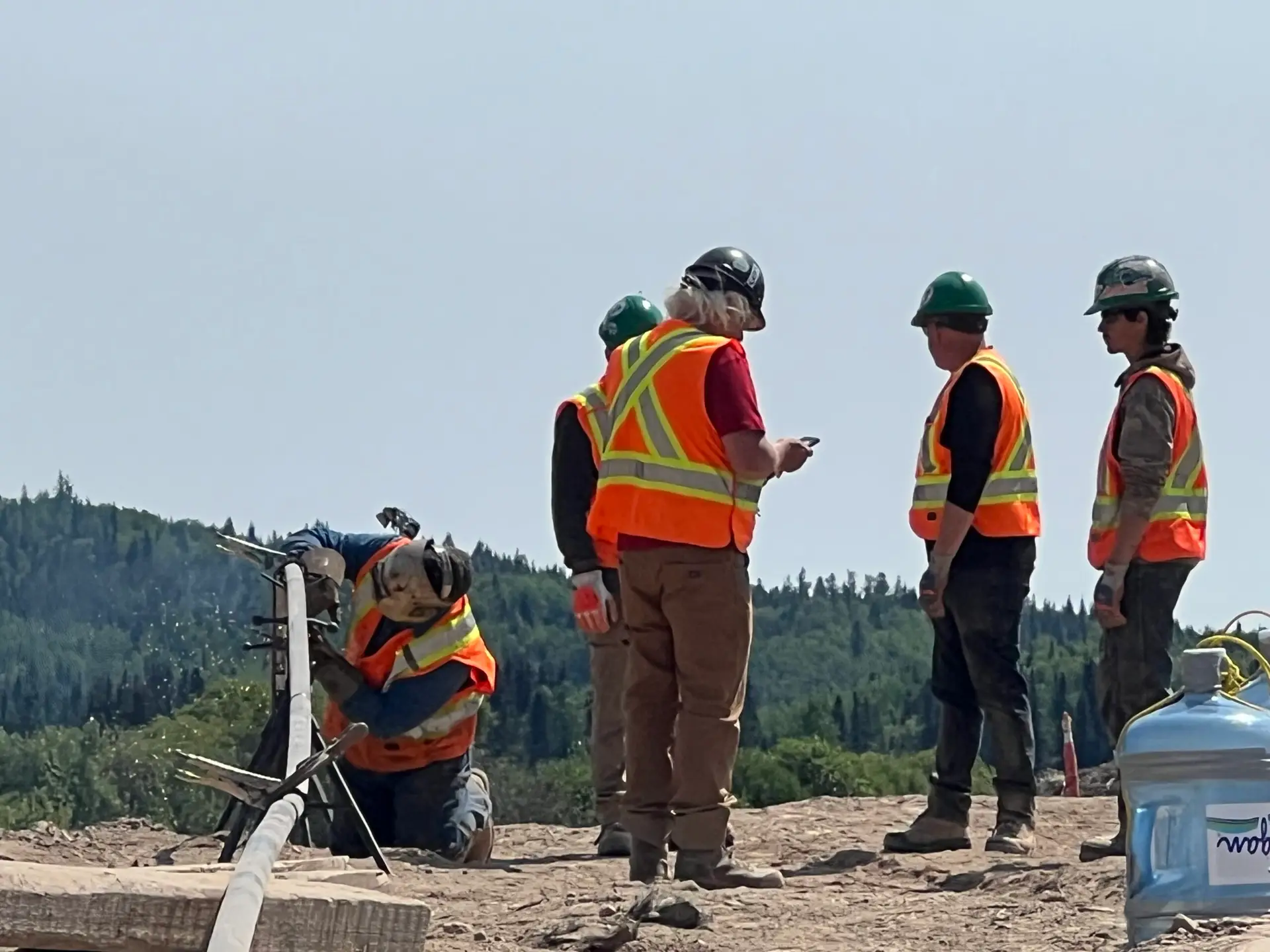
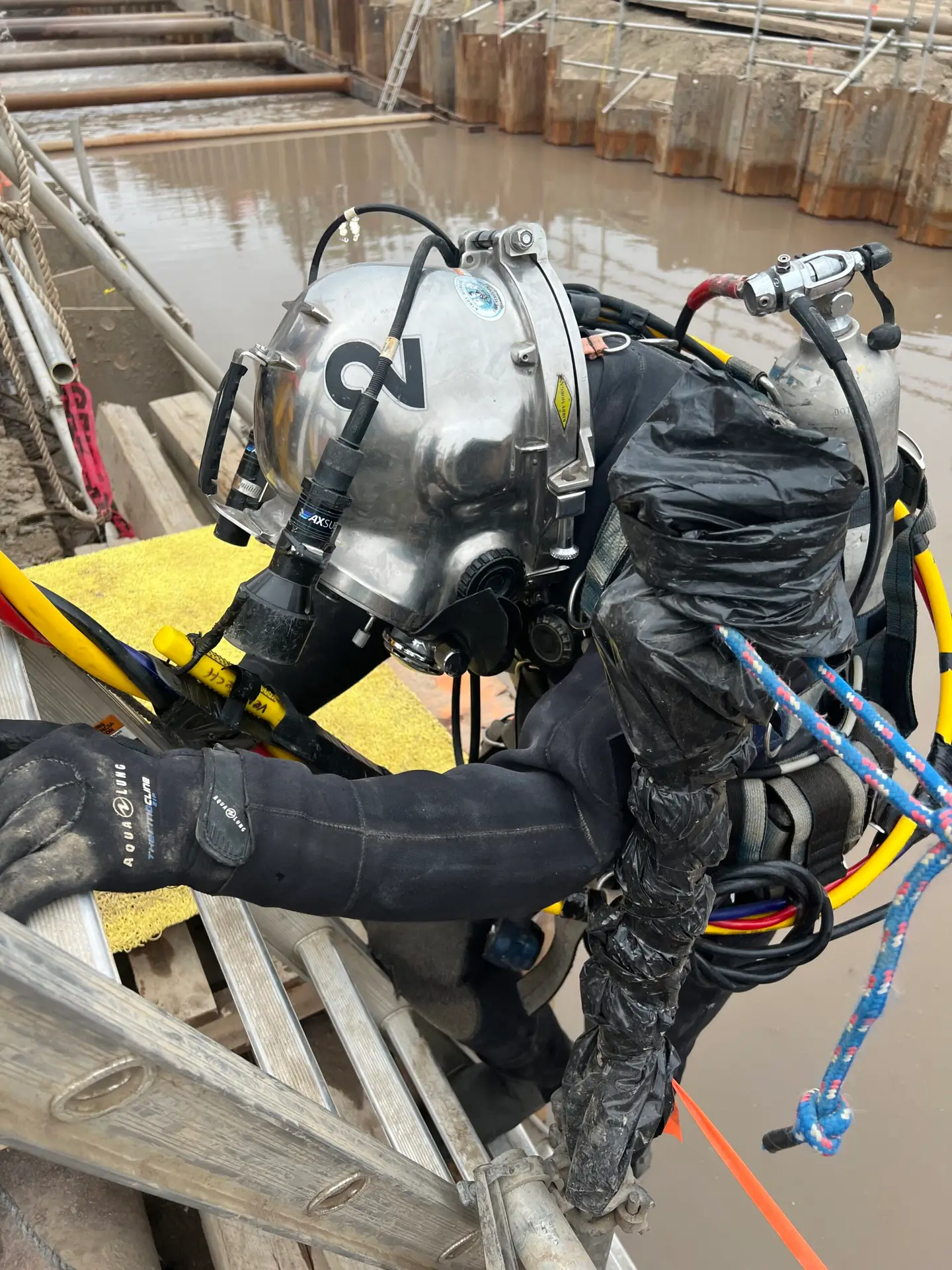
Ven-Tech can clean, prepare, rig, position and install replacement or retrofit anodes to an approved engineered design. Attachment, welding, bolting, cable routing, isolation and inspection requirements are confirmed before execution.
 06↗
06↗Commissioning and verification
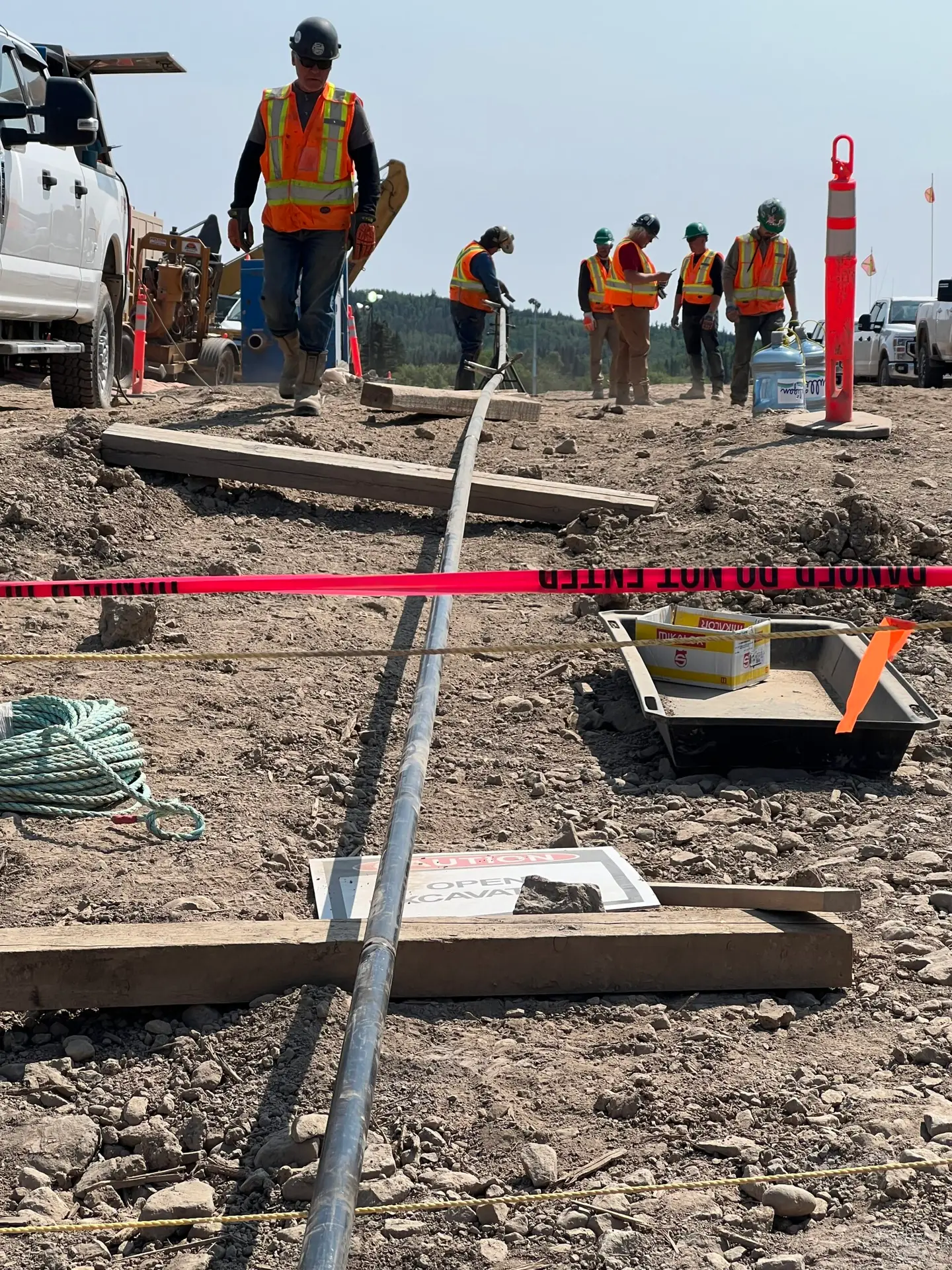
Post-installation readings, continuity checks, installation records and indexed imagery verify the completed field work against the approved scope. Results, limitations and outstanding items are organized for owner and engineering review.
Measurement quality and interpretation
A voltage alone
is not the answer.
A defensible survey records the full measurement context.
Reference-electrode type and condition, location, salinity, temperature, coating condition, shielding, bonds, adjacent structures, system energization and technique can influence results. Ven-Tech plans the field record so the owner’s engineer or corrosion specialist can compare the data against the correct criteria.
- 01Project-specified reference electrode and calibration status
- 02Defined stations, elevations and repeatable reading sequence
- 03System status, water conditions and visible asset condition
- 04Clear limitations—without overreaching the evidence
Seven-stage delivery model
Baseline. Inspect.
Repair. Verify.
A connected workflow keeps CP criteria, field execution, asset condition and closeout evidence aligned.
Set the asset and criteria
Confirm the structure, service environment, corrosion concern, governing documents, protection criteria, data needs and decision the work must support.
Read the existing record
Review drawings, CP design information, coating data, anode schedule, prior surveys, repairs, electrical information and known access constraints.
Survey before intervention
Collect agreed potential readings and system-status information before cleaning, repair, switching or installation changes the observed condition.
See the full protection system
Document anodes, coating, steel, attachments, cables, reference electrodes, bonds and accessible interfaces using indexed imagery and measurements.
Complete approved field work
Prepare the substrate and install, repair or replace specified components using the engineered detail, qualified personnel and defined hold points.
Confirm the completed state
Repeat specified readings, inspect attachments, check continuity where included and document the installed configuration and any approved field changes.
Build a reviewable record
Issue organized data, imagery, anode inventory, installation evidence, limitations and recommendations for owner and corrosion-engineering review.
Systems and deployment
One protection objective.
Several connected systems.
Underwater Cathodic Protection is evaluated as an asset system—not as an isolated anode, wire or reading.
Galvanic or sacrificial anodes
Zinc, aluminum or magnesium anodes provide protective current without an external power supply. Material, mass, distribution, attachment and design life must match the engineered system and electrolyte.
Impressed-current cathodic protection
ICCP uses an external DC power source, durable anodes and monitoring components. Underwater work is coordinated with electrical isolation, system specialists and the approved operating procedure.
Coatings working with CP
Coatings reduce exposed steel area and current demand; CP supports defects and holidays. Coating condition, shielding, disbondment and access affect what field observations can establish.
Reference electrodes and monitoring
Permanent or portable reference electrodes, test stations, bonds, coupons and monitoring points create the evidence needed to evaluate performance and trend change over time.
Diver and ROV deployment
Divers provide tactile inspection, cleaning, contact readings, measurements and installation. ROVs add remote visual coverage, sonar and repeatable reconnaissance where the task and access permit.
Repair and retrofit integration
Anode work may connect with underwater welding, clamps, brackets, cable protection, coating repair, steel repair and access modifications under one approved construction sequence.
Commissioning and closeout
Install to the design.
Verify the result.
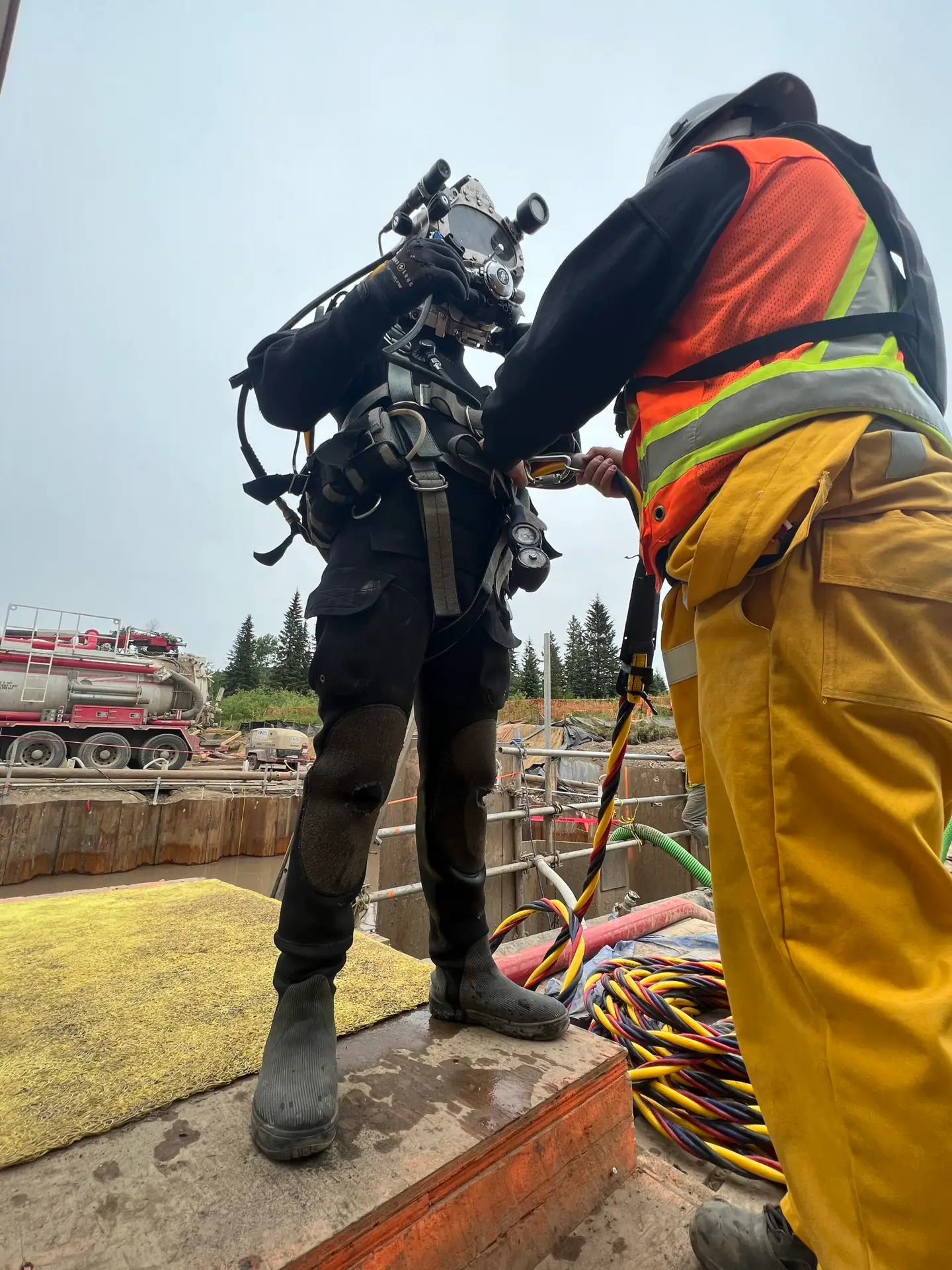
Field work is not complete when the diver leaves the water. Ven-Tech documents component identity, location, preparation, attachment, QA checks and the installed configuration.
Post-work readings and agreed continuity checks are linked with imagery, system status and approved field changes. The final package gives the owner and corrosion specialist a clear record for acceptance, trending and future maintenance.
Potential tables and location mapsAnode inventory and conditionInstallation and continuity evidenceCommissioning results and limitations
Underwater Cathodic Protection deliverables
Measured in the field.
Organized for decisions.
The closeout package connects the approved objective, measurement conditions, asset observations, completed work and recommended follow-up.
Survey plan and location schedule
Defined structures, stations, elevations, reference-electrode type, system status and reading sequence for repeatable field coverage.
Potential-reading table
Time-stamped readings with location, units, reference electrode, operating notes, water conditions and stated measurement limitations.
Anode inventory
Indexed anode locations, type where known, attachment, dimensions, apparent consumption, damage, fouling and photo or video references.
Coating and steel observations
Mapped observations of exposed steel, coating breakdown, corrosion, deposits, damage, welds and other visible condition indicators.
Continuity and interface records
Agreed checks and observations for bonds, cables, attachments, test points, penetrations and accessible ICCP components.
Installation and as-built evidence
Component identification, locations, attachment method, fit-up, field changes, QA checks and indexed before-during-after imagery.
Commissioning verification
Post-work potential readings, continuity results where included, system status and comparisons required by the approved commissioning plan.
Technical closeout report
Purpose, methods, results, imagery, limitations, outstanding items and practical recommendations for the owner and corrosion specialist.
Assets and environments
Protect the steel.
Extend the service.
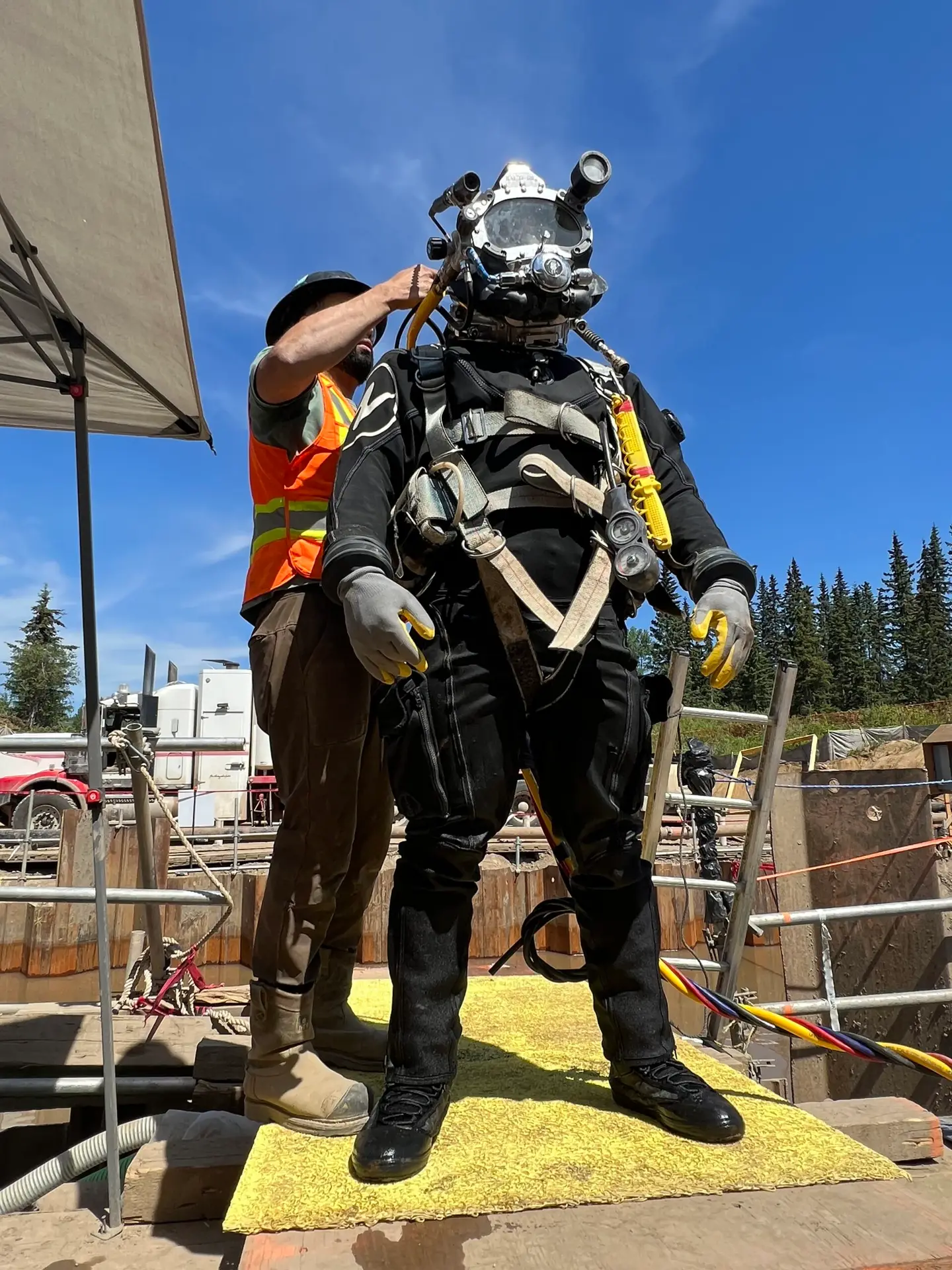
Ven-Tech supports cathodic-protection investigation and field work for marine, municipal, industrial, transportation and energy infrastructure across Canada.
01Docks, piers and marine terminals↗
02Steel sheet piles and H-piles↗
03Bridge piers, caissons and dolphins↗
04Dams, intakes and water-control structures↗
05Water tanks and submerged steel↗
06Pipelines, outfalls and crossings↗
07Vessels, barges and floating assets↗
08Offshore and subsea structures↗
About Ven-Tech
Meet the people.
See the capability.
Learn about the commercial diving, robotics, inspection technology and field systems behind Ven-Tech’s complex underwater work.
About Ven-Tech Subsea Inspections
A detailed look at Ven-Tech’s people, operating discipline and integrated field capability across Canada.
Standards, technical authority and HSE
Use the right criteria.
Control the field work.
Underwater Cathodic Protection scopes are planned around the owner’s approved design basis and applicable project requirements. AMPP guidance explains the corrosion-control principle; AWWA publishes tank-specific CP standards; DNV-RP-B401 provides galvanic-anode design guidance for offshore applications. The governing standard and acceptance criteria remain asset- and project-specific.
Field execution operates within Ven-Tech’s HSE system and applicable commercial-diving requirements. Controls address water and electrical energy, isolation, vessel traffic, lifting, welding, tools, confined access, communications, environmental interfaces and emergency response.
BCCSA COR® CertifiedISNetworld Member ContractorISNetworld ESG BadgeAvetta ApprovedCognibox CertifiedAlcumus SafeContractorCSA diving frameworkWorkSafeBC Part 24Project-specific CP criteriaTraceable QA/QC
Underwater Cathodic Protection FAQ
Technical questions.
Clear boundaries.
These answers explain what the field team can measure, inspect and install—and where engineered criteria remain essential.
What is Underwater Cathodic Protection?+
Underwater Cathodic Protection is a corrosion-control method that makes a submerged metal surface the cathode of an electrochemical cell. Galvanic systems use sacrificial anodes, while impressed-current systems use an external DC source and durable anodes. The system is normally designed and evaluated with coatings, material, electrolyte, geometry and service life in mind.
What can Ven-Tech inspect on a cathodic-protection system?+
Ven-Tech can document potential readings, sacrificial-anode location and condition, coating breakdown, exposed steel, corrosion, attachments, cables, conduits, reference electrodes, test points and accessible ICCP components. The final scope depends on asset access, the approved survey plan and the interpretation requirements established by the owner or corrosion specialist.
Can Ven-Tech design a cathodic-protection system?+
Ven-Tech provides field investigation, installation, inspection and commissioning support. Design criteria, current demand, anode material and mass, distribution, design life and acceptance criteria should be established or approved by the owner’s qualified corrosion specialist or engineer. Ven-Tech executes the approved field scope and supplies traceable evidence.
Which reference electrode is used for underwater surveys?+
The correct reference electrode depends on the electrolyte, asset, governing criteria and project specification. Silver/silver-chloride electrodes are commonly used in seawater, while other environments may require different electrodes. The specified electrode, calibration status and measurement conditions are recorded with the results.
Can divers replace sacrificial anodes underwater?+
Yes, where engineering, access, isolation, rigging and the approved attachment method permit. Divers can clean and prepare the area, position anodes, install bolted or welded attachments, protect cables and document the completed work. Welding, material and inspection requirements are established before installation.
Can an ROV complete cathodic-protection surveys?+
ROVs can carry compatible reference electrodes, cameras, sonar and other sensors for remote coverage. Suitability depends on access, stability, contact or offset requirements, positioning, tether management and the required confidence. Divers may still be needed for cleaning, tactile confirmation, close measurements and installation.
What affects the interpretation of CP readings?+
Reference-electrode type and condition, location, electrolyte, temperature, salinity, current flow, coating condition, shielding, bonds, adjacent structures, system energization and measurement technique can affect readings. Acceptance is therefore based on the approved criteria and full operating context, not a voltage number viewed alone.
What information is needed for a quote?+
Provide the asset and location, drawings, material and coating, CP design information, previous readings, anode schedule, ICCP status, water type, depth, current, visibility, access, known hazards, operating constraints, required work, schedule and desired deliverables. Ven-Tech will identify the responsible next step and any engineering inputs required.
Bring us the CP history and the submerged conditions
Measure the system.
Protect the asset.
Send the drawings, previous readings, anode schedule, coating information, system status, water conditions, access constraints and required deliverables. Ven-Tech will review the Underwater Cathodic Protection scope and define the next responsible step.