Where conditions allow, preserve service and conserve treated water while the internal work is completed.
POTABLE WATER · FIRE PROTECTION · INDUSTRIAL STORAGE
Reservoir inspection
& cleaning.
Without the guesswork.
Ven-Tech provides professional Reservoir Inspection and Cleaning across Western Canada using potable-grade commercial diving, ROVs and robotic cleaning systems—planned to protect water quality, operational continuity and the asset record.
FEATURED / VEN-TECH FIELD FILMReservoir Cleaning and Inspection Services
AWWAC652 workflows
NFPA25 tank support
LIVEService continuity
DIVE + ROVMethod flexibility
Critical water infrastructure
Protect the water.
Understand the asset.
Reservoir Inspection and Cleaning must protect water quality, operating continuity and structural understanding at the same time.
Ven-Tech begins with the facility, its water use, construction, access, sanitary requirements, known concerns and the decisions the work must support. Where the assessment permits, inspection and sediment removal may be completed with the tank full, reducing shutdowns, water loss and service interruption.
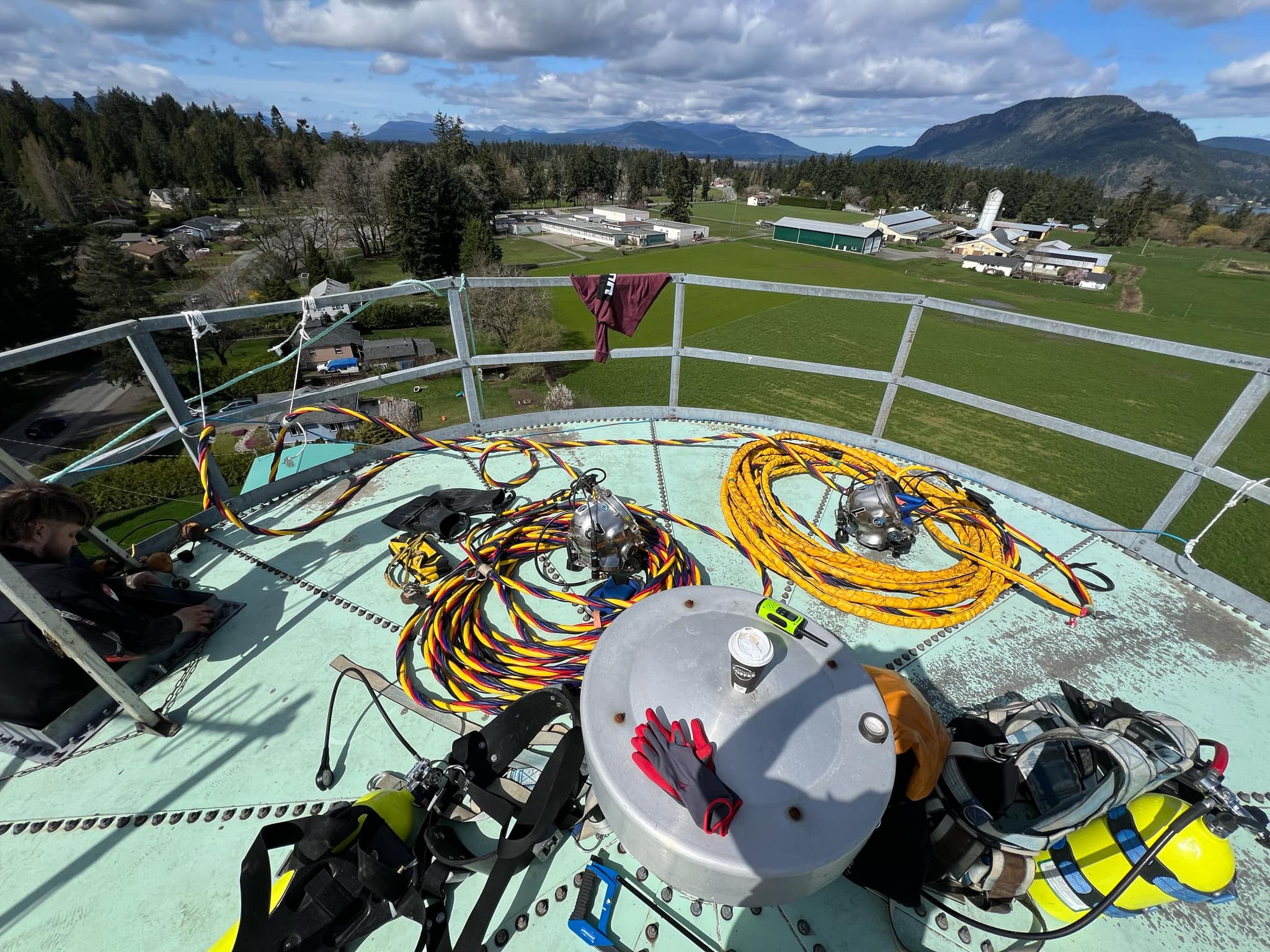
The project may use potable-grade commercial divers, an ROV, robotic vacuum equipment or a coordinated combination. Every method is tied to a defined coverage plan, live quality control and a final record designed for operators, engineers, utilities and compliance teams.
Potable-water proceduresSite-specific HSE planningIndexed inspection evidence
Document accessible structural, mechanical and coating components—not only a few representative images.
Target deposits and debris that affect water quality, storage condition or fire-water suction reliability.
Connect media, measurements, findings and limitations to a practical maintenance or engineering response.
Reservoir inspection and cleaning capabilities
One reservoir.
Complete field support.
From a focused internal inspection to diver- or robot-supported cleaning, every method is selected around the asset and the required outcome.
 01
01Reservoir condition inspection
Document the roof, columns, walls, floor, baffles, ladders, seams, coatings, joints, penetrations, inlets and outlets with organized video, photographs and field observations.
 02
02Sediment removal & cleaning
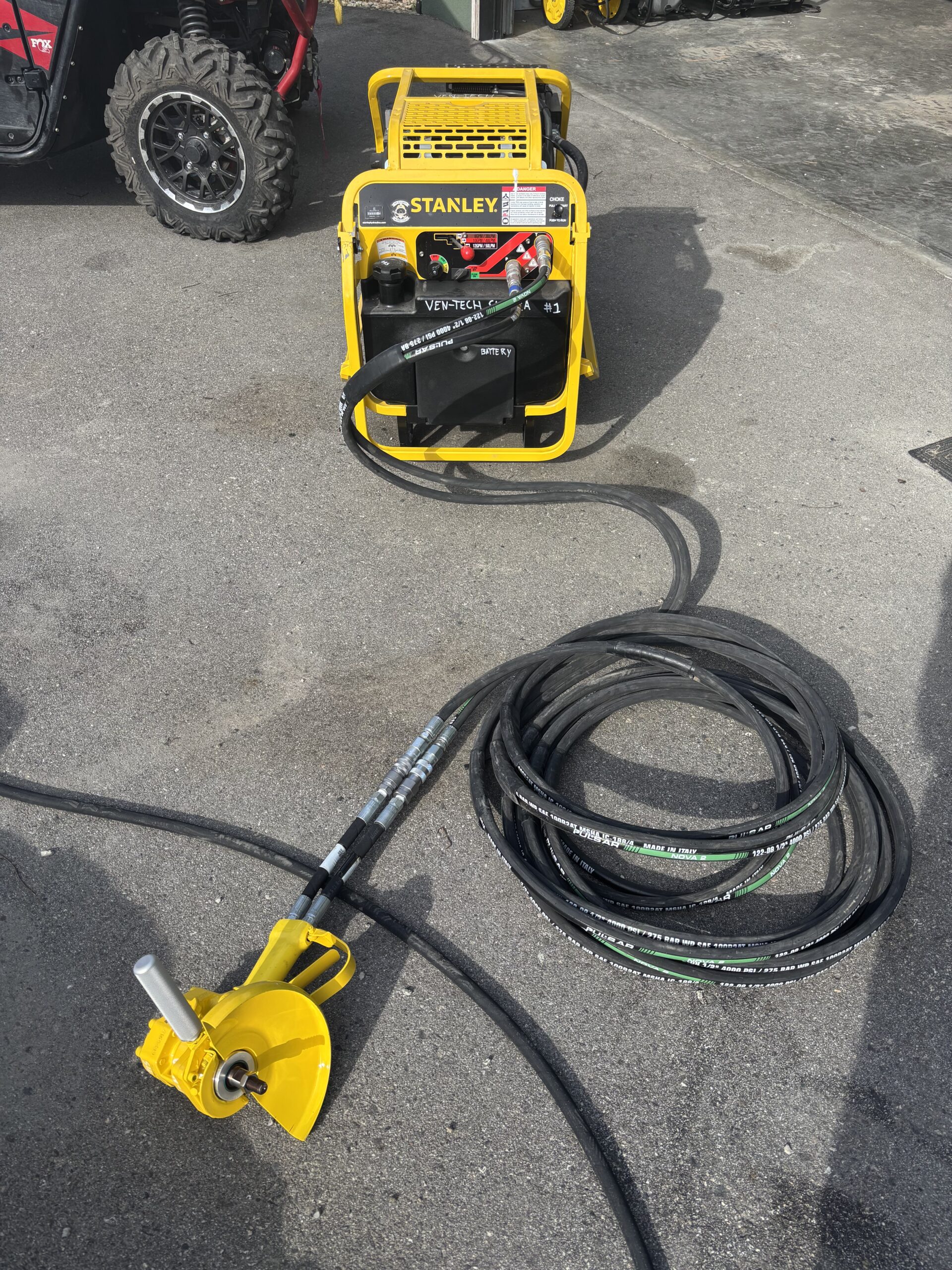
Remove accumulated sediment and debris using potable-water procedures and purpose-selected vacuum or pumping systems, with the method configured around the facility and operating requirements.
 03
03Potable-grade diver services
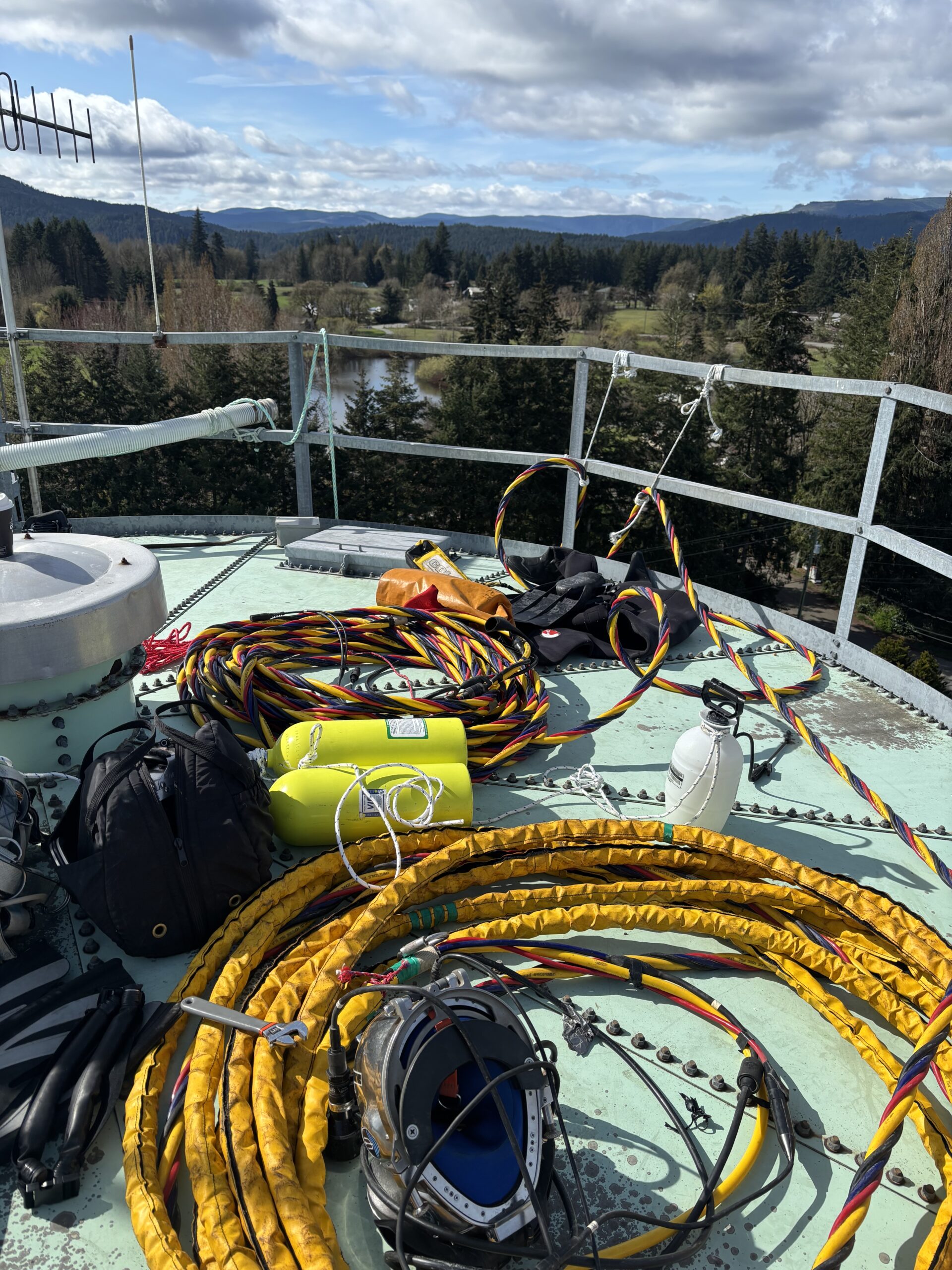
Use surface-supplied commercial diving for close inspection, cleaning, sampling, minor maintenance and targeted intervention when direct access is the right method.
 04
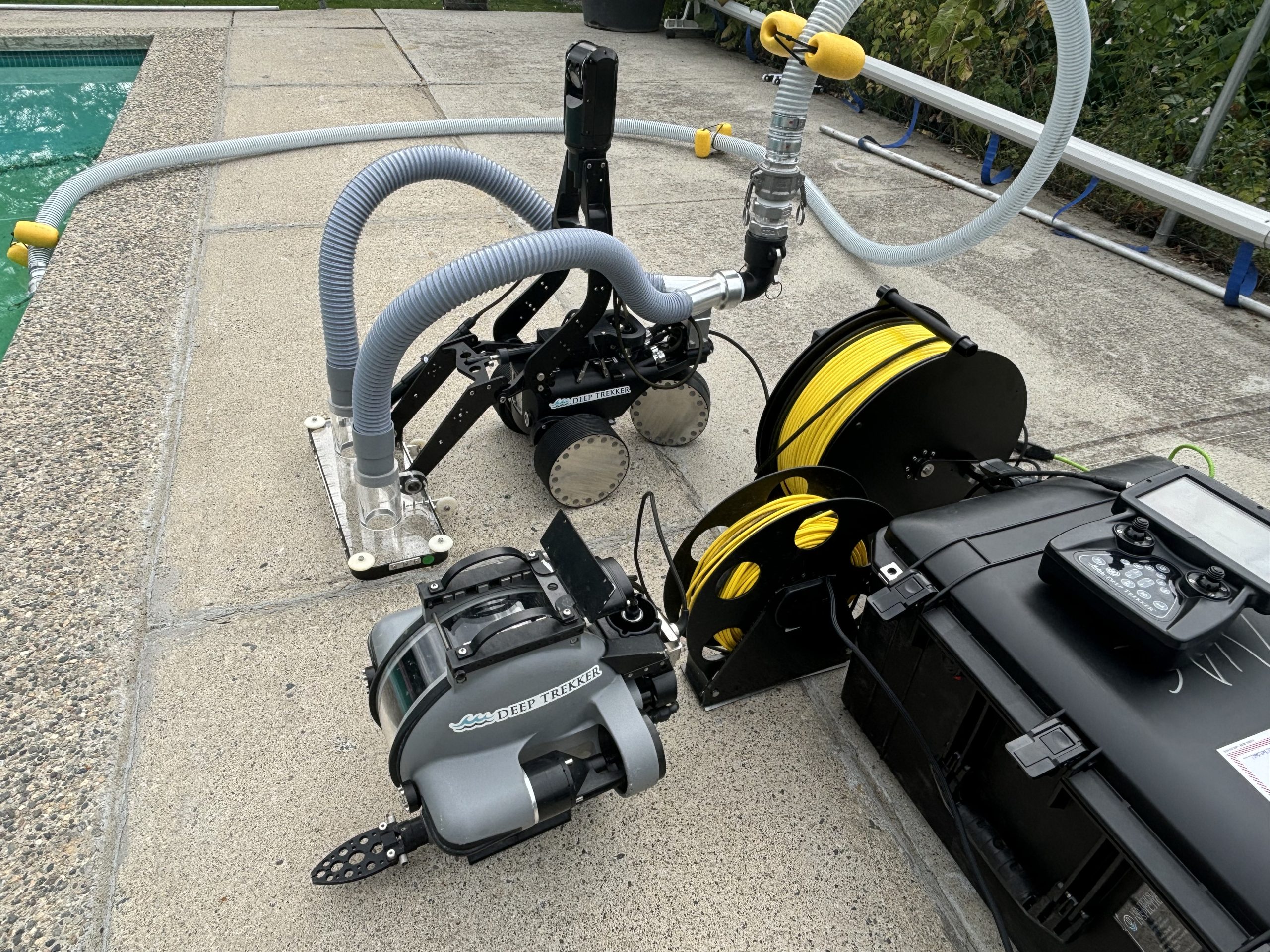
04ROV & robotic alternatives
Deploy ROVs and robotic cleaning systems for remote visual inspection, reconnaissance and suitable sediment-removal work where robotic access can reduce personnel exposure.
 05
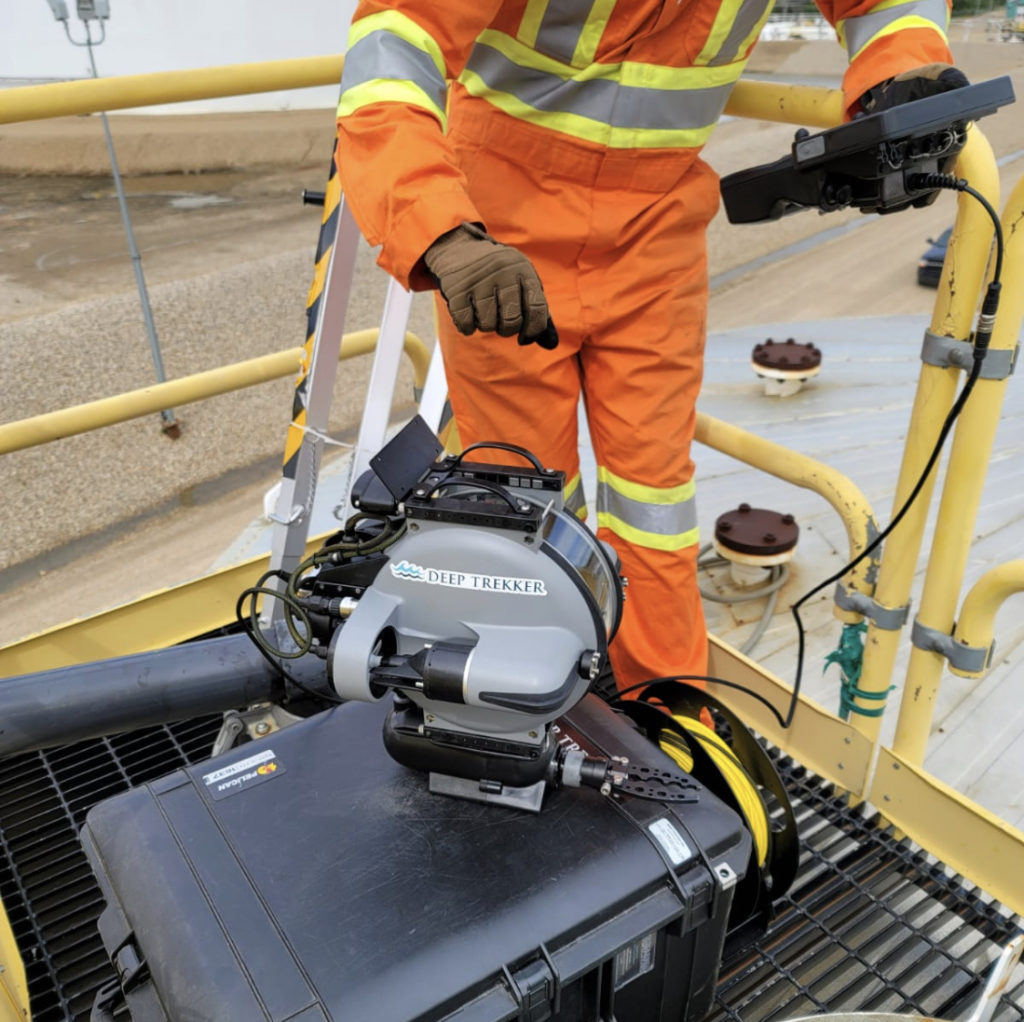
05Measurements & NDT support
Add project-specific ultrasonic thickness readings, coating observations, dimensional checks and other inspection tools where the asset material and engineering question require them.
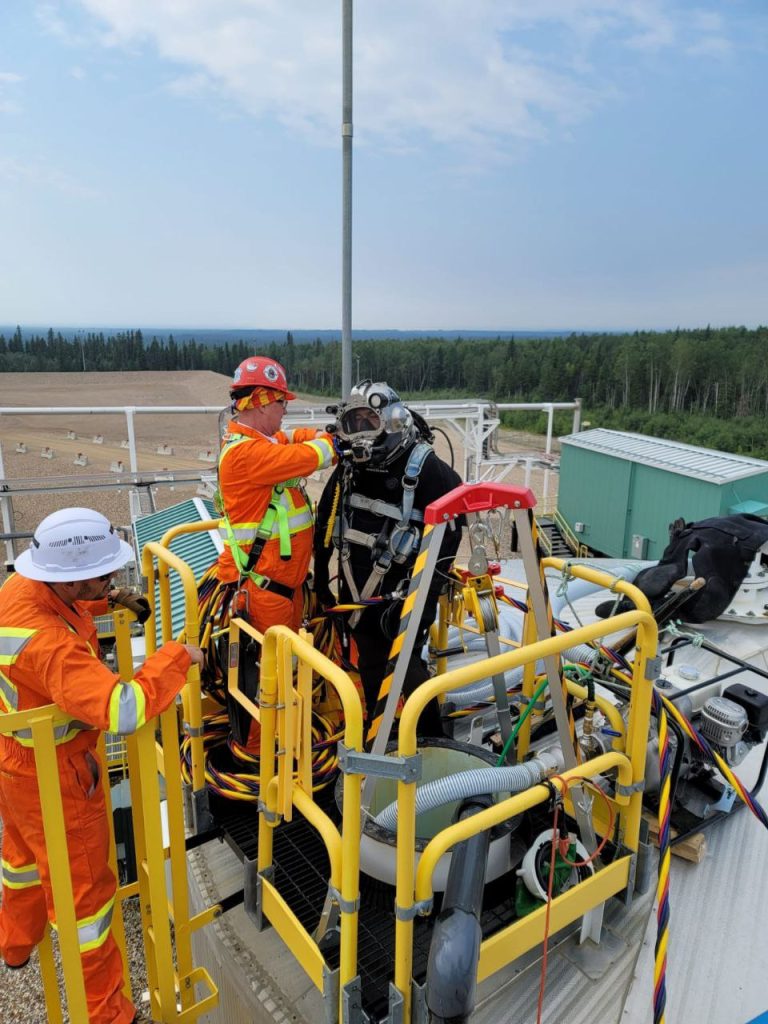 06
06Water quality & reporting
Coordinate agreed chlorine-residual and turbidity checks, indexed media, observation registers, structural findings and concise reporting for operators, engineers and asset owners.
Standards-led execution
AWWA and NFPA.
Applied to the asset.
Standards are operating frameworks—not decorative badges. Ven-Tech connects sanitary controls, inspection coverage and reporting to the applicable facility, owner requirements and governing jurisdiction.
Potable water storage
AWWA C652
AWWA C652 addresses disinfection of water-storage facilities. Ven-Tech uses documented sanitary preparation to support underwater inspection and cleaning while protecting the reservoir and maintaining traceability.
- Potable-only or properly segregated equipment
- Defined cleaning and disinfection controls
- Contamination-prevention and access procedures
- Project-specific chlorine and turbidity checks
- Inspection media and sanitary records
Fire-water storage
NFPA 25
NFPA 25 establishes inspection, testing and maintenance requirements for water-based fire-protection systems, including water-storage tanks. Ven-Tech supports internal condition and sediment work without treating every tank as identical.
- Internal surfaces, coatings and visible corrosion
- Ladders, braces, inlets, outlets and screens
- Sediment around pump suction components
- Project-specific ultrasonic thickness readings
- Evidence organized for compliance review
Continuity where conditions allow
Inspect the tank.
Protect the service.
Many Reservoir Inspection and Cleaning projects can be engineered to reduce or avoid draining and lengthy shutdowns. The final method depends on water use, isolation, sanitary requirements, access, system condition and the work itself.
- 01 Review the reservoir and operating requirements
- 02 Select diver, ROV, robot or combined methods
- 03 Establish sanitary, access and HSE controls
- 04 Verify coverage, water records and deliverables
Internal inspection coverage
Component by component.
Finding by finding.
The inspection route is established before entry and checked during the work so the final record reflects the agreed accessible scope.
Roof, walls & floor
Visible cracking, spalling, staining, corrosion, coating condition, deposits, debris and other accessible surface anomalies.
Columns, braces & baffles
Condition, alignment, connections, corrosion, coating loss, fouling and visible deterioration of internal structural components.
Ladders & access systems
Visible condition of ladders, hatches, platforms, fall-protection interfaces and submerged access components.
Inlets, outlets & overflows
Obstructions, sediment proximity, visible damage, seals, screens, diffusers and connected internal components.
Joints, seams & penetrations
Visible leakage indicators, seal condition, corrosion, gaps, displacement and anomalies requiring engineering review.
Sediment & debris
Distribution, approximate depth where scoped, material observations, intake risk and areas prioritized for removal.
Coatings & metallic surfaces
Blistering, delamination, holidays, exposed substrate and visible corrosion, supported by NDT when specified.
Repairs & previous findings
Follow-up review of documented defects, repairs, patches and priority locations identified in earlier records.
Ven-Tech reservoir operations
Diver and robot.
See both methods.
The second and third original videos are preserved here to show direct diver work and a combined ROV-and-diver cleaning approach.
02 / DIVER OPERATIONS
Diver reservoir cleaning, inspection and repairs
Potable-grade surface-supplied diving for close inspection, cleaning and suitable direct intervention.
03 / HYBRID OPERATIONS
ROV and diver reservoir cleaning
Remote reconnaissance and robotic support combined with a diver where dexterity and direct access are required.
Controlled project workflow
Plan the method.
Prove the result.
Five connected stages protect the water, direct field coverage and produce a usable closeout package.
Understand the reservoir
Confirm construction, dimensions, access, water use, operating status, drawings, previous reports, known concerns and the decision the work must support.
Engineer sanitary control
Select diver or robotic methods and define equipment preparation, disinfection, isolation, water-quality checks, emergency arrangements and field quality controls.
Inspect and clean
Complete the approved coverage and sediment-removal scope while maintaining live communications, sanitary discipline and supervisor verification.
Quality-check the record
Review media, observations, cleaning coverage, readings and limitations before demobilization so important gaps can be addressed while the team is present.
Issue decision-ready results
Provide the agreed video, photographs, measurements, water-quality records, inspection findings and prioritized follow-up recommendations.
Inspection deliverables
See it. Record it.
Use it.
Reservoir Inspection and Cleaning is valuable only when the field evidence is organized into a record that supports maintenance, compliance and engineering decisions.
Indexed HD video
Organized internal footage linked to asset components, inspection routes and identified observations.
Annotated photographs
Clear still images identifying notable conditions, sediment, cleaning progress and maintenance priorities.
Inspection register
Component-by-component observations, accessible measurements, limitations and locations requiring review.
Water-quality records
Agreed chlorine-residual, turbidity or other project readings documented with the operating context.
Sediment-removal record
Completed areas, methods, observed material, restrictions and any remaining inaccessible deposits.
Final recommendations
A concise report connecting evidence to maintenance, repair, engineering assessment or future monitoring.
Health, safety & sanitary control
Control the work.
Protect the water.
Reservoir projects combine occupational diving, confined-space interfaces, water-quality protection, energy isolation and active-facility operations. Ven-Tech connects these requirements through written planning and documented field controls.
HSE frameworkApplicable owner procedures, provincial requirements, CSA commercial-diving practices and WorkSafeBC Part 24 requirements are reviewed for each project.
Review Ven-Tech HSE ↗Site-specific safety planning
Defined scope, hazard assessment, roles, emergency arrangements, stop-work criteria and client interfaces.
Potable-water protection
Equipment segregation, cleaning, disinfection, contamination prevention and documented sanitary checks.
Diving & access controls
Commercial-diving procedures, communications, isolation, access management and confined-space coordination.
Live inspection quality
Coverage plan, supervisor verification, indexed media, readings, observations and documented limitations.
Contractor assurance
Qualified systems.
Accountable execution.
Ven-Tech’s Reservoir Inspection and Cleaning capability is supported by a COR®-certified safety-management system, contractor qualification programs, specialized inspection personnel and documented commercial-diving procedures.
BCCSA COR® CertifiedISNetworld Member ContractorISNetworld ESG BadgeAvetta ApprovedCognibox CertifiedAlcumus SafeContractorCSA Z275.2 / Z275.4 PracticesWorkSafeBC Part 24 FrameworkWCB Alberta & SaskatchewanNASSCO PACP CertifiedCWB-Certified Visual InspectionCSWIP 3.1U / 3.2U Capability
Documented site-audit outcomes
Safety claims backed
by project records.
The existing Ven-Tech page documents two WorkSafeBC site-audit outcomes for potable-water reservoir projects.
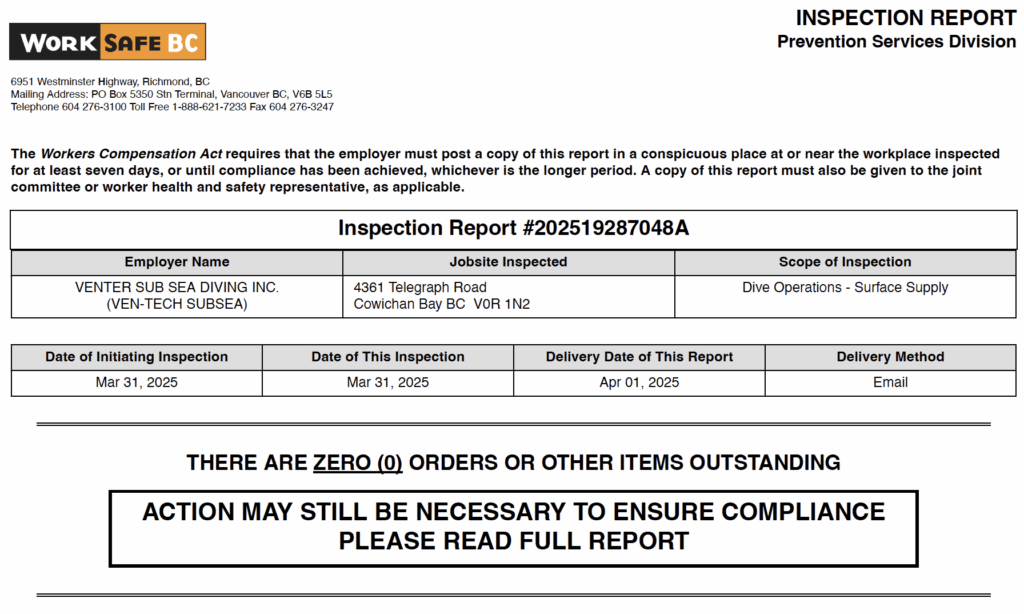
CASE 01 / 100-FT RESERVOIR
Cowichan Bay
Reported result: zero violations or deficiencies, zero orders and documented project alignment with CSA Z275.2, WorkSafeBC Part 24 and AWWA C652.
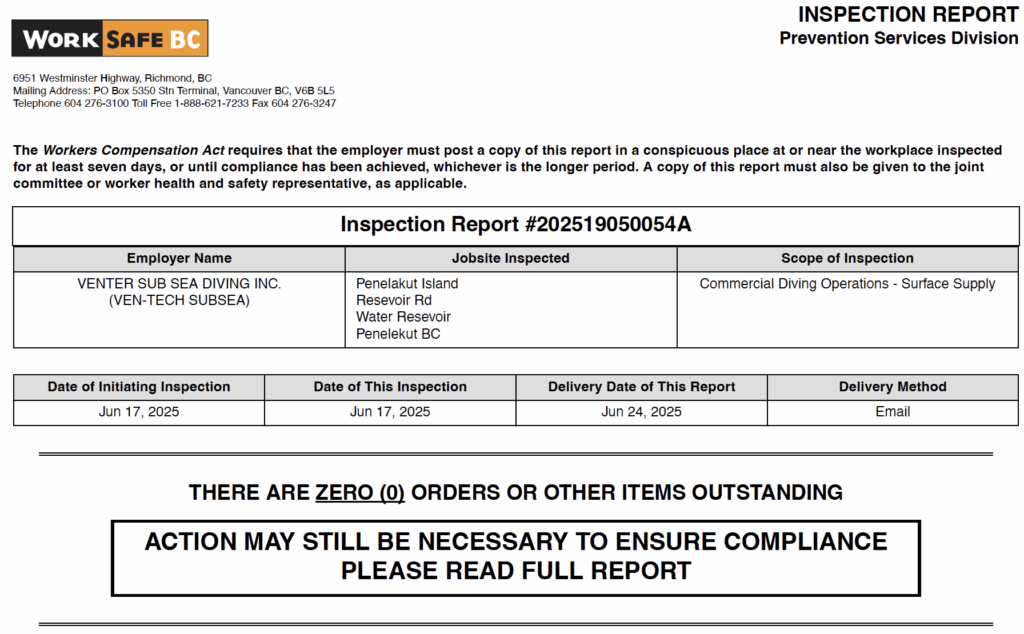
CASE 02 / 50-FT RESERVOIR
Penelakut Tribe
Reported result: zero violations or deficiencies, zero orders and documented project alignment with CSA Z275.2, WorkSafeBC Part 24 and AWWA C652.
Organizations we support
Water assets that
cannot be ignored.
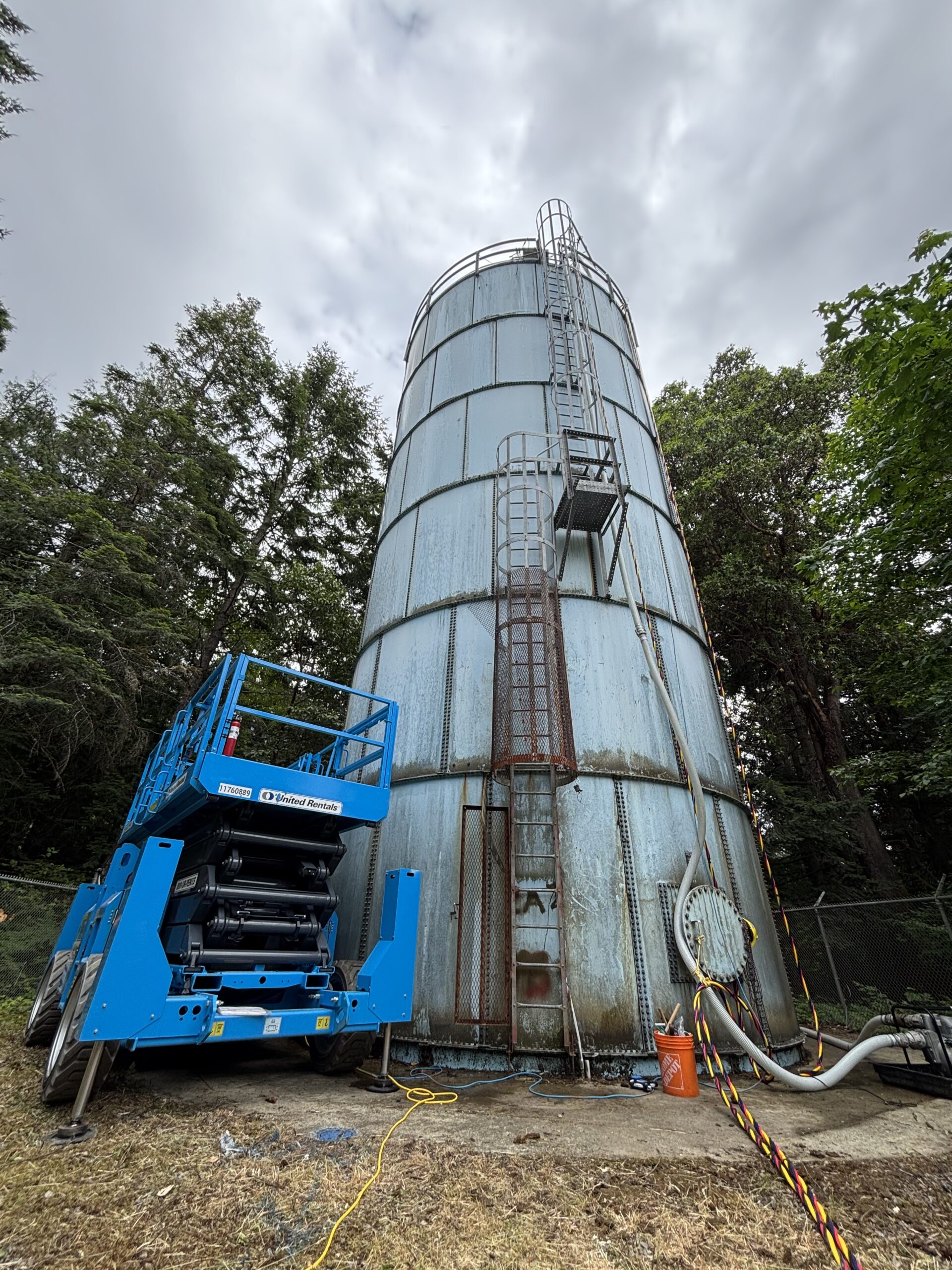
Reservoir Inspection and Cleaning for organizations responsible for drinking water, process-water continuity and fire-protection storage.
01Municipal utilities & public works↗
02First Nations & remote communities↗
03Health authorities & institutions↗
04Oil, gas & energy facilities↗
05Mining & resource operations↗
06Engineering & environmental consultants↗
07Fire-protection contractors↗
08Industrial & manufacturing facilities↗
Reservoir inspection and cleaning FAQ
Questions before
the hatch opens.
Send the asset information and operating requirements. Ven-Tech will help determine the appropriate diver, ROV or combined approach.
Can reservoir inspection and cleaning be completed without draining the tank?+
Many Reservoir Inspection and Cleaning projects can be planned while a reservoir remains full, reducing shutdown and water-loss requirements. Suitability depends on water use, access, isolation, facility procedures, sanitary controls, the requested work and applicable authority requirements.
What reservoir types can Ven-Tech inspect and clean?+
Ven-Tech supports on-grade and below-grade concrete reservoirs, clearwells, standpipes, elevated tanks, steel fire-water tanks, process-water storage and other suitable municipal or industrial water assets. Access, geometry, contents and operating conditions are reviewed before the method is confirmed.
Do you use commercial divers or robots?+
Both. Reservoir Inspection and Cleaning may use potable-grade surface-supplied commercial divers, ROVs, robotic vacuum systems or a combined approach. The selection is based on the required inspection coverage, cleaning work, measurements, access, water conditions and exposure-reduction opportunities.
What does AWWA C652 address?+
AWWA C652 addresses disinfection of water-storage facilities. For underwater inspection or cleaning, the project plan should define sanitary preparation, equipment disinfection, contamination prevention, water-quality checks and records appropriate to the facility and scope.
How does NFPA 25 relate to fire-water reservoirs?+
NFPA 25 provides inspection, testing and maintenance requirements for water-based fire-protection systems, including water-storage tanks. The applicable edition, tank construction, owner requirements and system arrangement determine the required activities and interval.
What is included in the final reservoir report?+
A typical package can include indexed HD video, annotated photographs, component observations, sediment and cleaning records, water-quality readings, accessible measurements, limitations and prioritized recommendations. Deliverables are confirmed before mobilization.
Can Ven-Tech remove all reservoir sediment?+
The objective can be comprehensive sediment removal, but access, fixed internals, geometry, adhesion, water conditions and operational restrictions can affect recoverable material. Ven-Tech documents the completed coverage and any remaining limitations rather than making an unconditional percentage claim.
What information is needed for a proposal?+
Provide the location, tank construction and dimensions, access size, water use, operating status, drawings, previous reports, recent water information, known defects, desired cleaning or inspection outcome, schedule and site contact. Hatch and work-area photographs are especially useful.
Start with the reservoir
Protect continuity.
Plan the inspection.
Send the facility location, reservoir construction and dimensions, hatch details, water use, operating status, known concerns and required work. Ven-Tech will provide a practical first review.