How Much Do Professional Commercial Divers Make? Exploring the Earnings and Opportunities | Ven-Tech Subsea
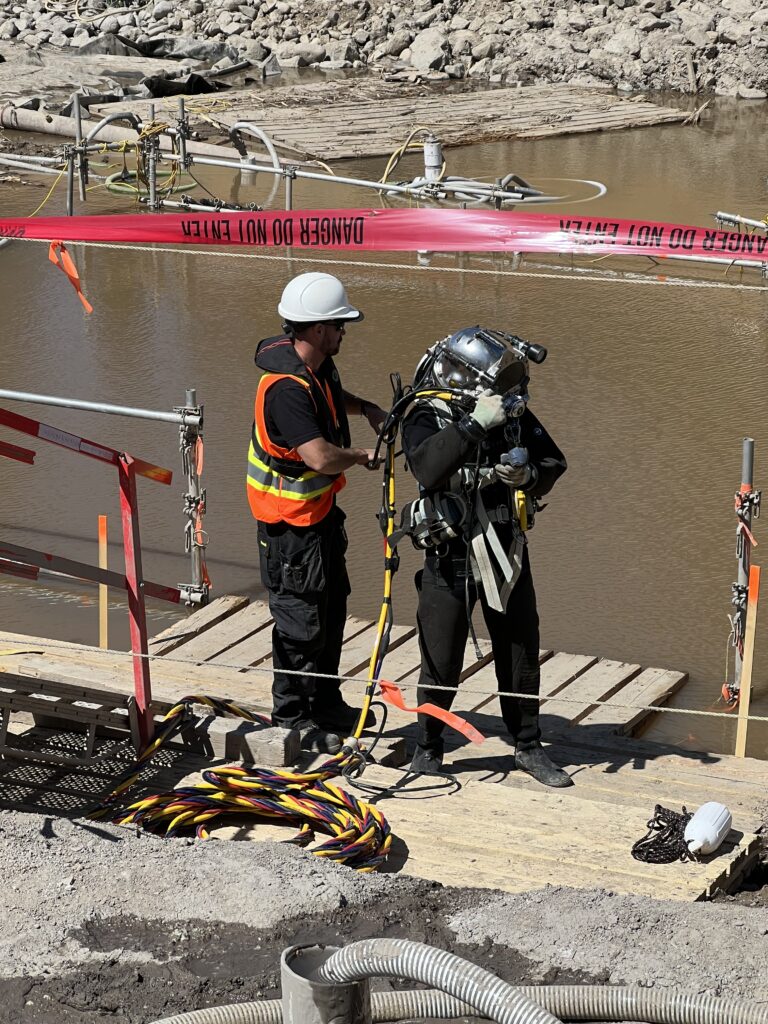
Commercial Divers – Salary, Career Growth & Earning Potential
Few professions combine adventure, technology, and precision like commercial divers. Whether repairing underwater pipelines, inspecting reservoirs, or welding offshore structures, these highly trained professionals operate where few others can — beneath the surface.
But the big question remains: how much do commercial divers make?
The answer depends on experience, location, specialization, and type of work. Let’s explore the factors influencing earnings, the different career paths available, and how to start a professional career in commercial diving with guidance from the experts at Ven-Tech Subsea.
1. Factors That Influence How Much Commercial Divers Make
While the term “commercial diver” covers many roles, from construction and inspection to salvage and scientific support, several common factors shape salary potential.
Experience Level
Entry-level commercial divers typically start with base pay while completing supervised hours or performing general support work. As divers log more dives, certifications, and projects, salaries increase substantially.
-
Entry-Level Divers: $40,000 – $55,000 per year
-
Intermediate Divers (3–5 years): $60,000 – $85,000
-
Senior/Supervisory Divers: $90,000 – $120,000 +
Divers with supervisory roles, mixed-gas certification, or project management experience can command even higher rates.
Location
Geography plays a major role in determining how much commercial divers make. Coastal regions and industrial hubs such as Alberta’s energy sector, British Columbia’s ports, and the Gulf of Mexico offer higher wages due to demand and challenging conditions.
Remote projects or hazardous-environment contracts often pay premium rates, sometimes exceeding $600 per day for short-term deployments.
Type of Diving Work
The nature of the assignment is one of the biggest salary drivers:
-
Offshore Diving (Oil & Gas): Highest-paid segment due to depth, hazard, and technical demands.
-
Inshore / Inland Diving: Includes bridge, dam, and potable-water inspections. Reliable year-round income with lower risk.
-
HAZMAT or Contaminated-Water Diving: Specialized field requiring rigorous decontamination protocols — high-risk, high-reward.
-
Saturation Diving: Divers living under pressure for extended periods can earn $1,000 – $1,500 per day during offshore campaigns.
Certifications & Specializations
Advanced qualifications directly impact how much commercial divers make. Valuable credentials include:
-
CSA Z275 Commercial Diving certification (Canada)
-
IMCA / DCBC recognition
-
ADCI entry-level or supervisor rating
-
HAZMAT or contaminated-water certification
-
Welding and NDT (Non-Destructive Testing) tickets
Each specialization adds value and opens access to higher-paying projects globally.
2. Average Salaries for Commercial Divers in North America
Across Canada and the U.S., commercial divers earn between $50,000 and $90,000 annually, depending on region and industry. Offshore oil-field divers regularly exceed $100,000 per year, while inland divers focused on municipal or hydro projects typically average $60,000 – $75,000.
|
Experience Level |
Typical Annual Income |
Notes |
|---|---|---|
|
Entry-Level Diver |
$40 K – $55 K |
Training or assistant roles |
|
Intermediate Diver |
$60 K – $85 K |
Potable water, bridge, or inspection work |
|
Offshore Diver |
$90 K – $150 K + |
Includes hazard and travel premiums |
|
Supervisor / Superintendent |
$120 K – $200 K |
Project management and oversight |
For comparison, inland divers in British Columbia and Alberta employed by infrastructure firms such as Ven-Tech Subsea often enjoy steady, year-round work supported by safety benefits, travel allowances, and advancement opportunities.
3. Industries & Job Opportunities for Commercial Divers
The versatility of commercial divers allows them to work across numerous sectors:
Offshore Oil & Gas
Divers maintain subsea production systems, perform NDT inspections, and carry out weld repairs at depth. Offshore work demands precision and endurance, but pay scales are among the highest in the industry.
Learn more about offshore project trends on Offshore Technology.
Marine Construction
Inshore / civil divers support bridge construction, dam repair, cofferdam installation, and port infrastructure projects. These positions offer stability and allow divers to work closer to home.
Environmental & Scientific Research
Specialized commercial divers assist government and academic teams with underwater sampling, monitoring, and habitat restoration — combining technical skill with environmental stewardship.
Salvage & Recovery
From shipwreck recovery to aircraft retrieval, salvage diving involves complex rigging, lift-bag operations, and occasionally hazardous environments.
Public Works & Utilities
Municipal water utilities increasingly hire commercial divers for potable reservoir cleaning, intake inspection, and ROV-assisted condition assessments — work pioneered by Canadian leaders like Ven-Tech Subsea.
4. Education, Training & Certification Pathway
Becoming a professional commercial diver requires commitment and formal training from an accredited institution.
Step 1: Training
Enroll in a certified commercial diving school recognized by the Association of Diving Contractors International (ADCI) or Diver Certification Board of Canada (DCBC). Programs typically last 4 – 6 months and cover:
-
Physics and physiology of diving
-
Underwater cutting and welding
-
Rigging and lift operations
-
Chamber operation and decompression
-
Emergency procedures and first aid
Step 2: Certification
After graduation, obtain:
-
DCBC Unrestricted Surface-Supplied Diver certificate (Canada)
-
ADCI Commercial Diver card (U.S.)
-
CSA Z275 compliance for Canadian work sites
Divers planning to specialize in offshore or HAZMAT sectors pursue additional modules in mixed-gas, saturation, or contaminated-water diving.
Step 3: Gain Experience
Most commercial divers start with inland projects such as water-tank inspections or small-scale construction before moving into offshore or industrial assignments. Building hours and reputation leads to higher day rates and supervisory roles.
For comprehensive certification guidance, explore training options through the Divers Institute of Technology (DIT).
5. Typical Day in the Life of Commercial Divers
A day in the life of commercial divers combines physical endurance, teamwork, and technical problem-solving.
Morning: Safety briefing, dive-plan review, and equipment checks.
Dive Operations: Tasks include inspection, cutting, welding, or data collection using ROV / CCTV systems.
Surface Intervals: Communication with supervisors, decompression management, and equipment maintenance.
Reporting: Divers document findings with photos, videos, and written logs — critical for engineers and clients.
This structured workflow ensures consistency, accountability, and project success under strict health and safety guidelines.
6. Advantages & Challenges of a Commercial Diving Career
Advantages
-
Competitive salary potential and tax-free offshore allowances
-
Global travel and exposure to world-class engineering projects
-
Opportunities for advancement into supervision or ROV operation
-
Camaraderie and strong professional network
Challenges
-
Demanding physical and psychological conditions
-
Extended periods away from home for offshore rotations
-
Strict adherence to decompression and safety procedures
-
Weather and visibility limitations in inland waters
Despite these challenges, commercial divers report high job satisfaction, citing teamwork, adventure, and tangible results as major rewards.
7. Future Outlook for Commercial Divers
The global underwater services market continues to grow due to aging infrastructure, renewable-energy projects, and the need for sustainable water-management systems.
In Canada, commercial divers are in increasing demand for:
-
Hydroelectric and dam maintenance
-
Water-treatment and potable-reservoir cleaning
-
Coastal restoration and marine habitat protection
-
Offshore wind-farm installation and inspection
Automation and robotics, like Ven-Tech Subsea’s ATHENA AI platform, are reshaping the industry — but rather than replacing divers, technology enhances safety, precision, and efficiency.
8. Maximizing Your Earning Potential as a Commercial Diver
To reach the upper end of the pay scale, commercial divers should:
-
Pursue additional certifications such as NDT Level II, welding, or ROV operation.
-
Seek work with reputable, safety-certified companies like Ven-Tech Subsea.
-
Network through professional organizations (ADCI, IMCA, DCBC).
-
Stay current with health, fitness, and emergency-response training.
Top performers with advanced credentials often transition into inspection management, project engineering, or client-representative roles that pay well above standard diver rates.
9. Frequently Asked Questions
Q: Is commercial diving dangerous?
A: With modern training, proper supervision, and compliance with CSA Z275 and WorkSafe BC Part 24, risk levels are carefully managed.
Q: How long do commercial divers work per shift?
A: Inland divers usually perform multiple short dives per day, while offshore divers may complete longer, scheduled rotations.
Q: Can commercial divers work internationally?
A: Yes. Certifications like IMCA and DCBC are recognized worldwide, opening opportunities across energy, construction, and research sectors.
10. Final Thoughts – Dive Into Your Career with Confidence
Commercial diving is more than a profession — it’s a lifestyle defined by precision, courage, and skill. Whether you’re maintaining a dam in British Columbia or inspecting a subsea pipeline in the Gulf, the work is challenging and immensely rewarding.
By understanding salary structures, obtaining proper certification, and partnering with established companies like Ven-Tech Subsea, aspiring divers can build prosperous, long-term careers.
The opportunities for commercial divers have never been greater — from renewable energy projects to municipal infrastructure renewal.
So if you’ve ever asked, “How much do commercial divers make?” — now you know the answer: as much as your dedication, training, and ambition allow.
Commercial diving is an exciting and rewarding career, offering unique experiences underwater. But how much do commercial divers make? Let’s dive into the details, including factors that influence earnings, job opportunities, and how to get started in this dynamic field.
Factors Influencing Commercial Diver Salaries
- Experience Level: Like many professions, experience plays a crucial role in determining a commercial diver’s salary. Entry-level divers typically earn less than their more experienced counterparts. However, as divers gain experience and expertise, their earning potential increases significantly.
- Location: The geographical location of a commercial diving job can greatly impact salary. Divers working in regions with high demand for underwater services, such as offshore oil rigs, often command higher wages.
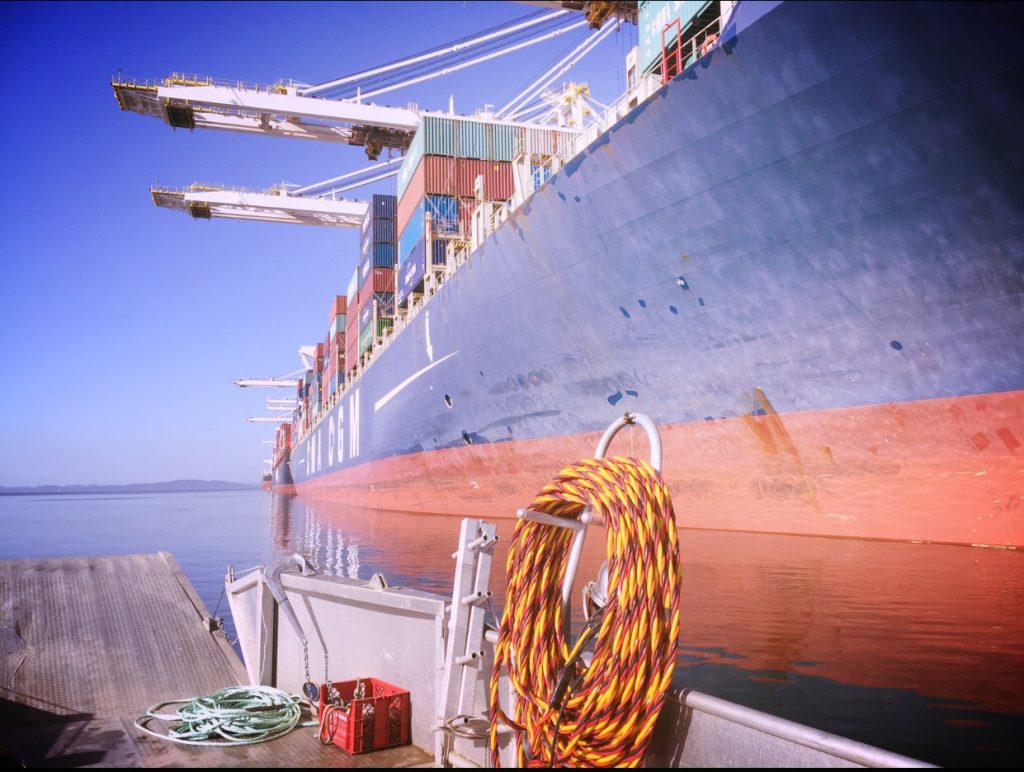
- Type of Diving Work: Different types of commercial diving work offer varying pay scales. For example, divers involved in underwater welding, inspection, and maintenance of oil rigs, pipelines, and ships tend to earn more due to the specialized skills required.
- Certifications and Specializations: Holding advanced certifications and specializations can boost a diver’s earning potential. Certifications such as HAZMAT diving or saturation diving are highly valued and often come with higher pay.
Average Salaries for Commercial Divers
On average, commercial divers in North America earn between $50,000 to $90,000 per year. Entry-level positions may start around $40,000, while experienced divers with specialized skills can earn upwards of $100,000 annually. Offshore divers, particularly those in the oil and gas industry, often enjoy the highest salaries due to the demanding nature of the work and the hazardous environments.
Job Opportunities for Commercial Divers
Commercial divers have a wide range of job opportunities, including:
- Offshore Oil and Gas: Inspecting and maintaining underwater infrastructure.
- Marine Construction: Building and repairing bridges, dams, and piers.
- Salvage Operations: Recovering submerged vessels and cargo.
- Environmental and Scientific Research: Assisting with underwater research projects.
Starting Your Career as a Commercial Diver
Interested in becoming a commercial diver? Here are the steps to get started:
- Education and Training: Enroll in a reputable commercial diving school to receive the necessary training and certifications.
- Certifications: Obtain essential certifications such as the ADCI (Association of Diving Contractors International) certification.
- Gain Experience: Start with entry-level positions to build your skills and experience.
For more information about starting a career in commercial diving and the services we offer, visit Ven-Tech Subsea.
Dofollow Links to Enhance Your Knowledge
- Learn about different types of commercial diving certifications at DIT.
- Explore the latest trends in the offshore oil and gas industry on Offshore Technology.
Conclusion
Commercial diving offers an exciting and lucrative career path for those passionate about underwater work. By understanding the factors that influence earnings and pursuing the necessary training and certifications, you can embark on a rewarding journey in this field. Dive into your future with confidence and explore the opportunities that await beneath the waves.
For more insights and information about our services, visit Ven-Tech Subsea.